anantara concorso roma // 2026
For the first time in 60 years, the Italian capital is hosting a new concours d’élégance!
Roma, 70 classic Italian cars, dolce vita, concours d’élégance, Mediterranean garden, that sounds rather nice, doesn’t it? The stage is set. Anantara is launching a new European destination for enthusiasts of precious metals. Will it measure up to the competition? Let see!
Roma, 70 classic Italian cars, dolce vita, concours d’élégance, Mediterranean garden, that sounds rather nice, doesn’t it? The stage is set. Anantara is launching a new European destination for enthusiasts of precious metals. Will it measure up to the competition? Let see!
One might well ask, why Rome? The Eternal City has a fairly long history when it comes to concours d’élégance. By the late 1920s, this French concept had already taken root in Italy.It was only a matter of time before the Italians, with their instinctive sense of style and their love of art, adopted the concours idea with their characteristic energy. One of the very first Italian events, the ‘Concorso Romano delle Carrozzerie’, was held in Rome in 1926, attracting the country’s finest coachbuilders and establishing it as one of Italy’s first major motor shows. Conceived as a coachbuilding competition, it emphasised the elegance of the bodywork rather than the engineering. However, it was the shores of Lake Como that would soon steal the spotlight.
After the Second World War, the Roma concorso was reinvented rather than simply revived. It became the main showcase for the Italian coachbuilding industry, which was then in the process of reconstruction. but The 60's saw the decline of the concours. The philosophy behind bespoke coachbuilding was changing; manufacturers favoured motor shows, they increasingly dominated the displays, and by 1958 the concours no longer made sense as a coachbuilding competition.
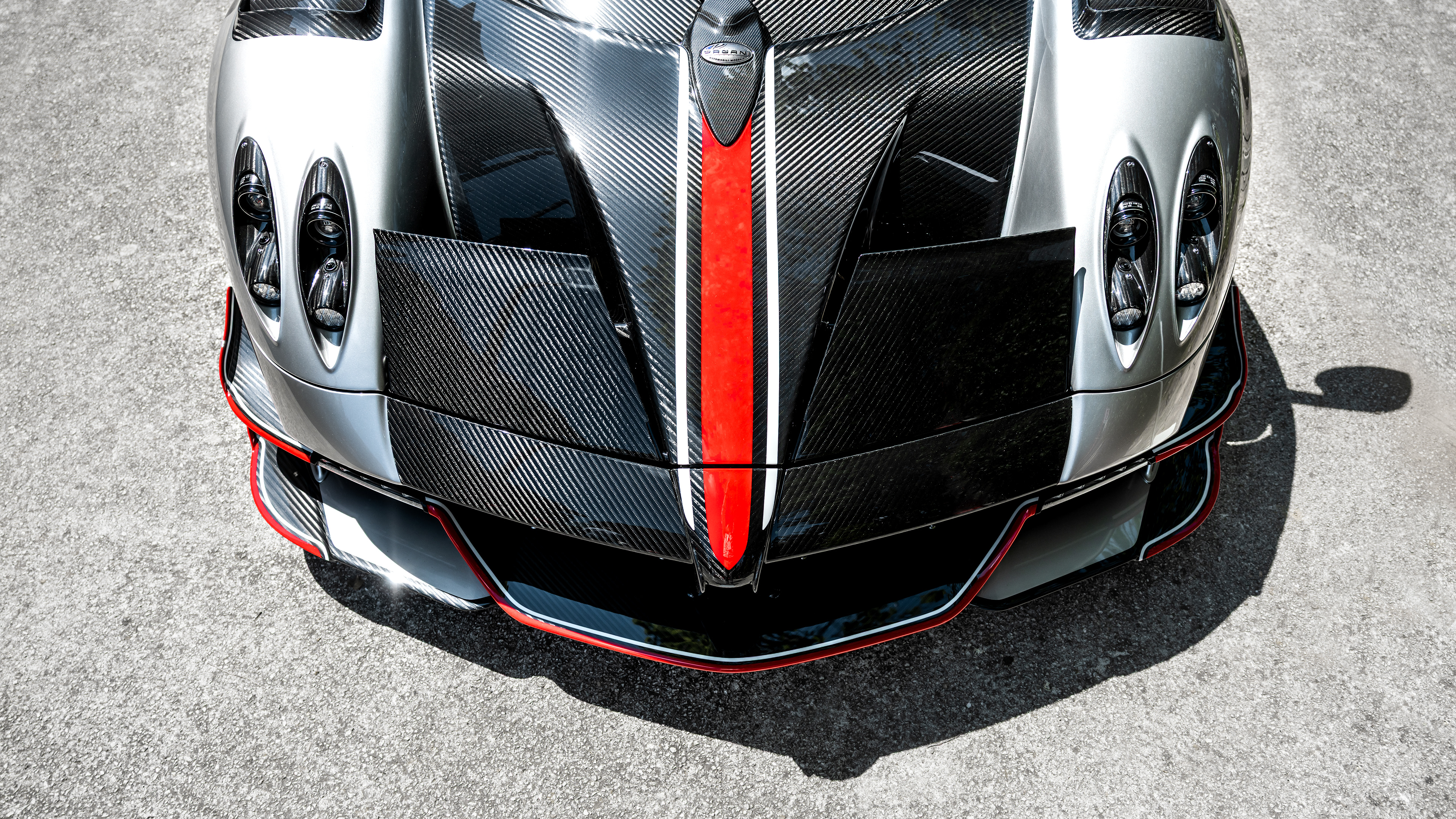
Even though the current trend is for exclusive road trips and exotic destinations, classic concours d'élégance still hold a special place in the public’s heart. The format has now been revisited, combining both experiences into a single weekend. The concours pays tribute to the bespoke coachwork of that golden era and showcases its modern-day successors, with brands such as Pagani, which continues this tradition of ultra-personalisation.
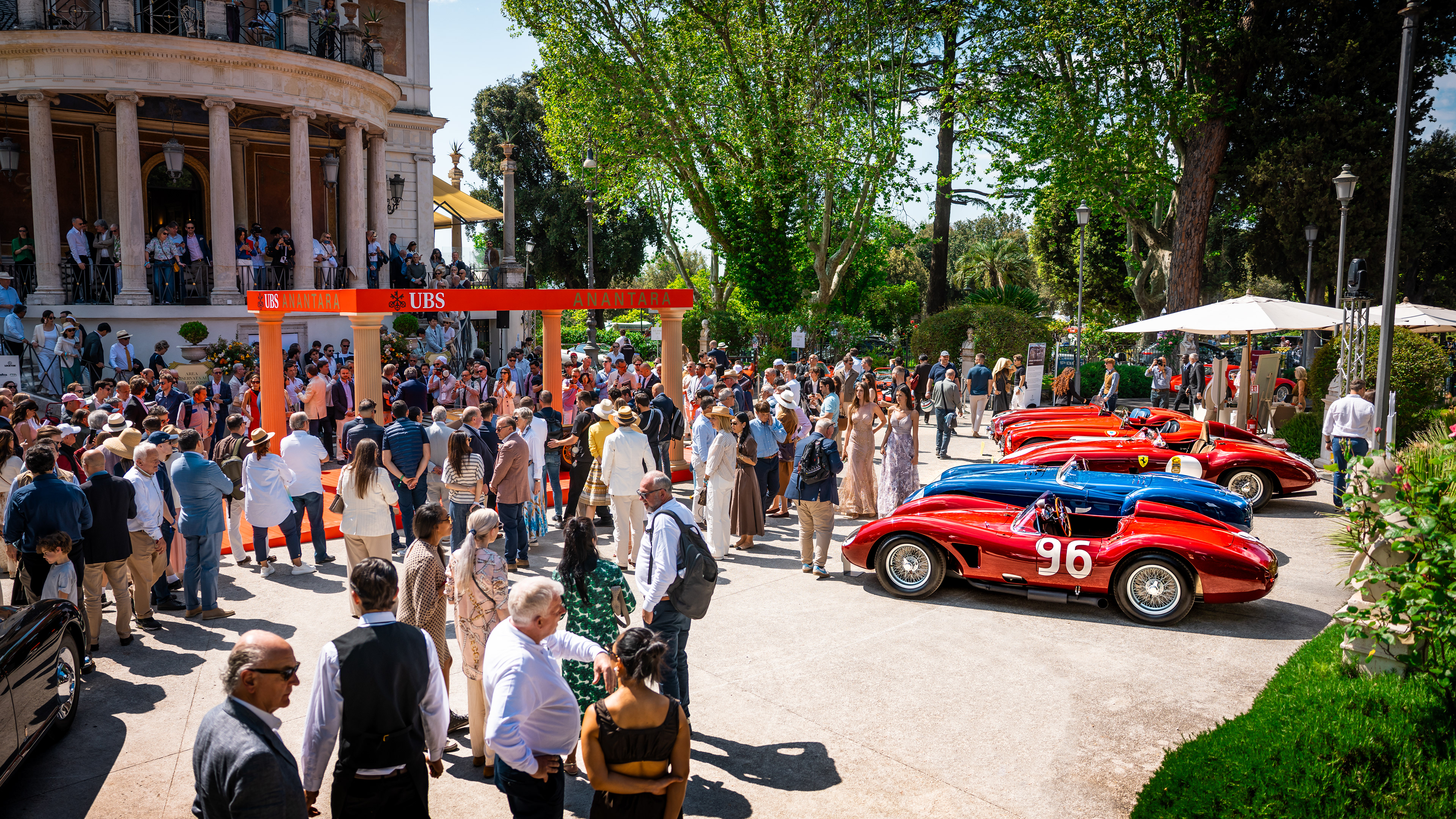
So, what about this return to Rome with the first edition of the “Anantara Concorso Roma”?
The idea behind this new event is simple. Among those behind the new Concorso is Adolfo Orsi Jr, who explains that, to his mind, a concours dedicated exclusively to Italian cars was missing in his home country. This idea certainly offers a unique direction, but how far can it be taken before people grow tired of it? Italy has certainly produced a staggering number of automotive icons, some of the most prestigious, but that number is not infinite.
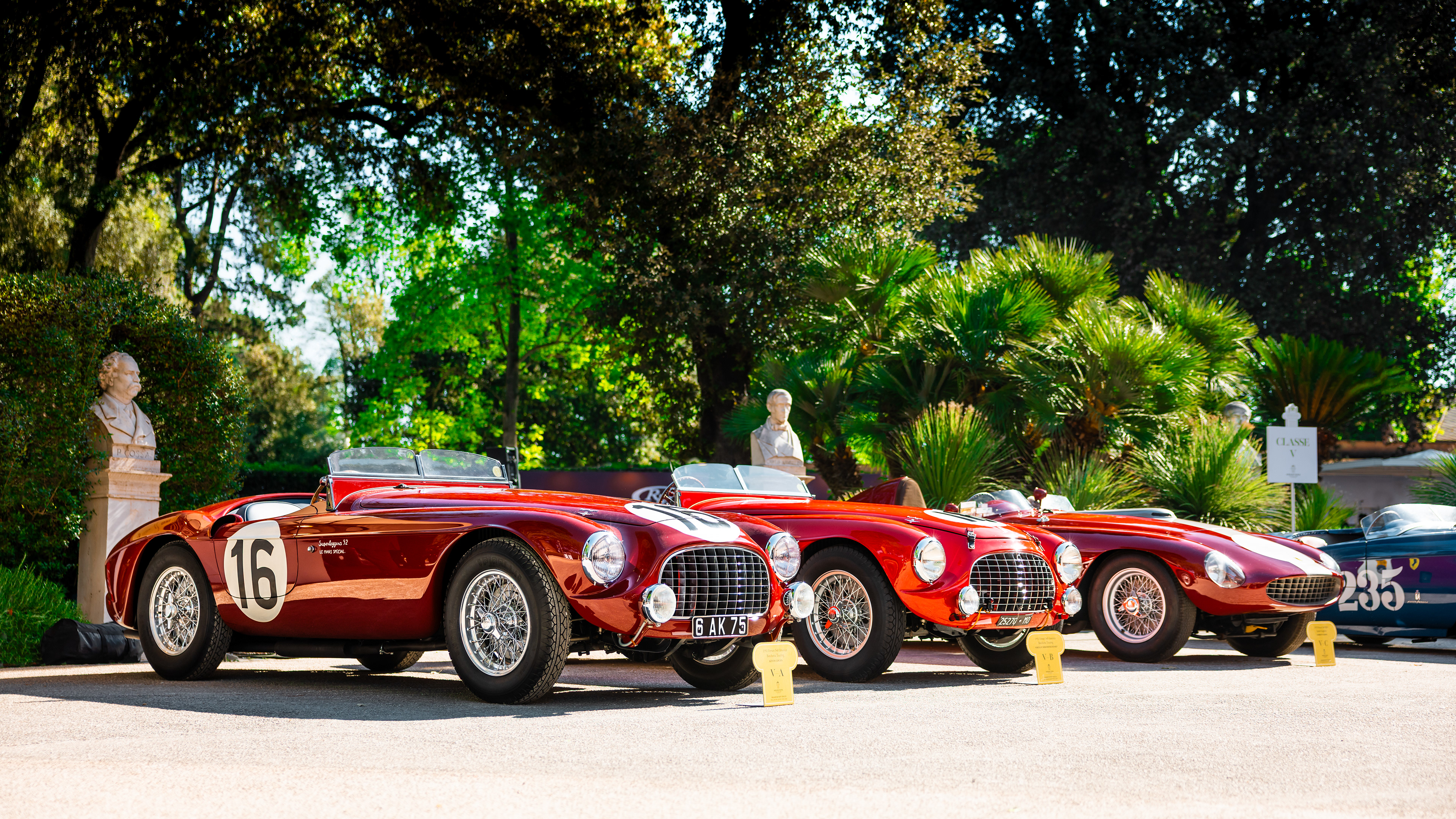
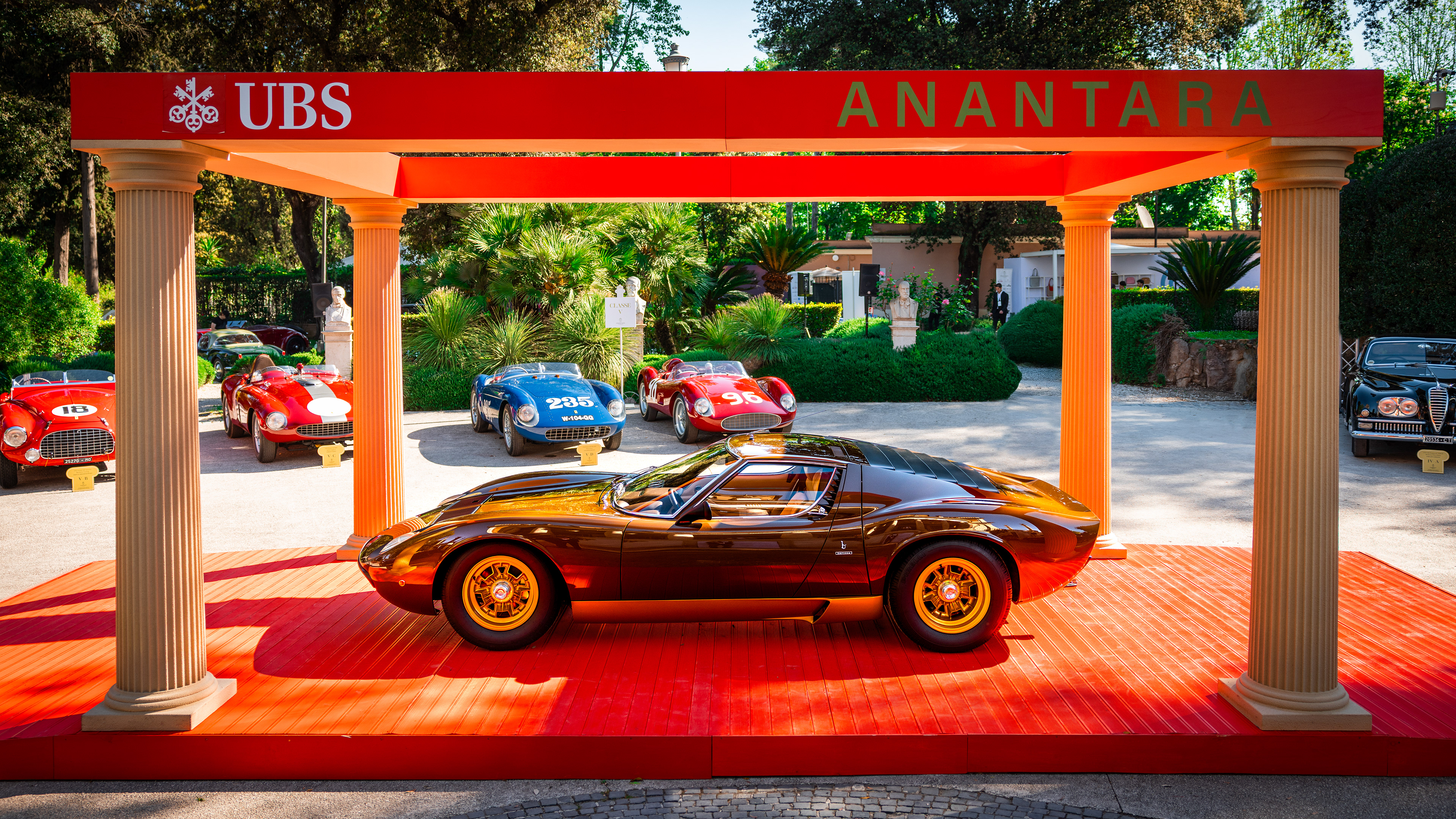
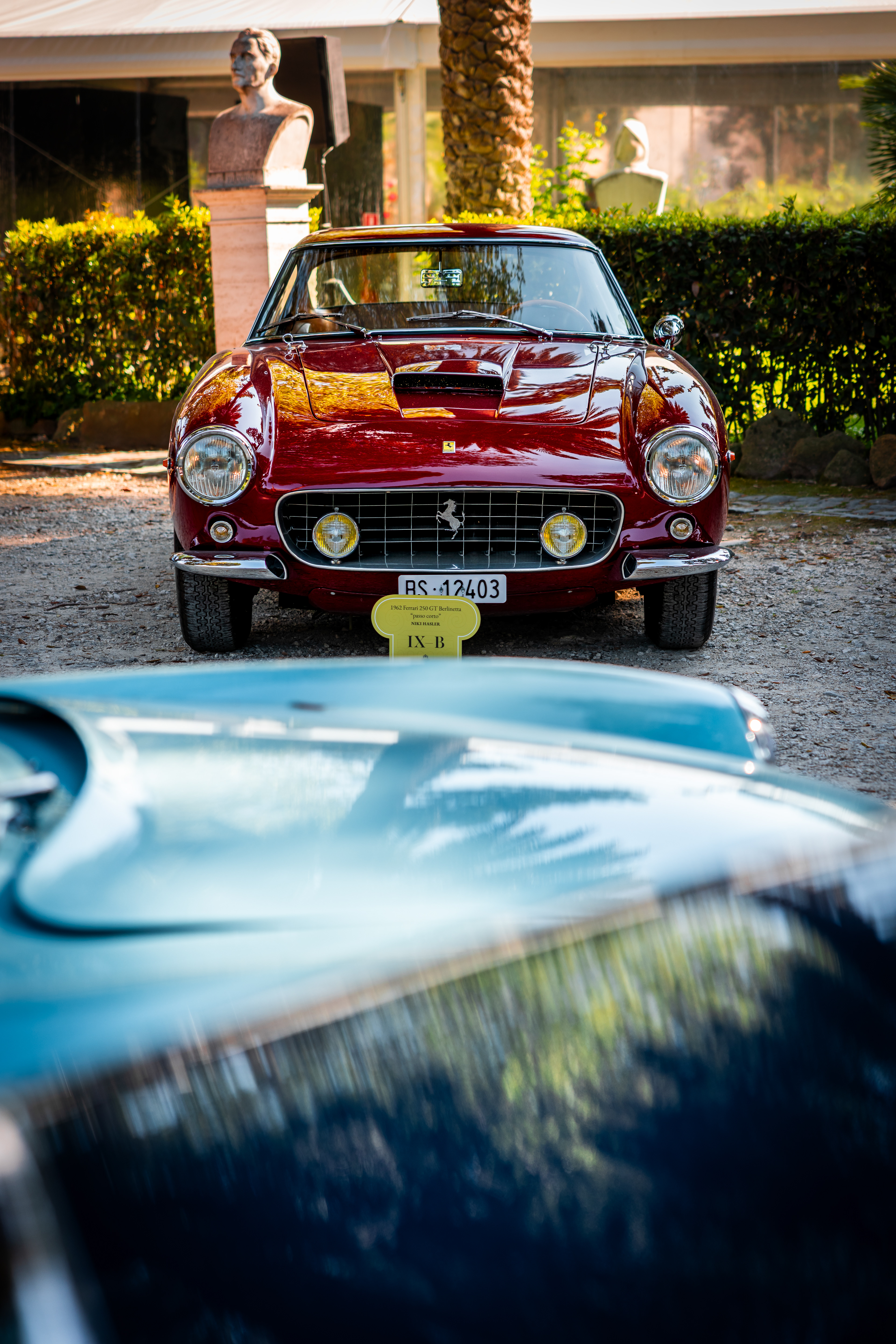
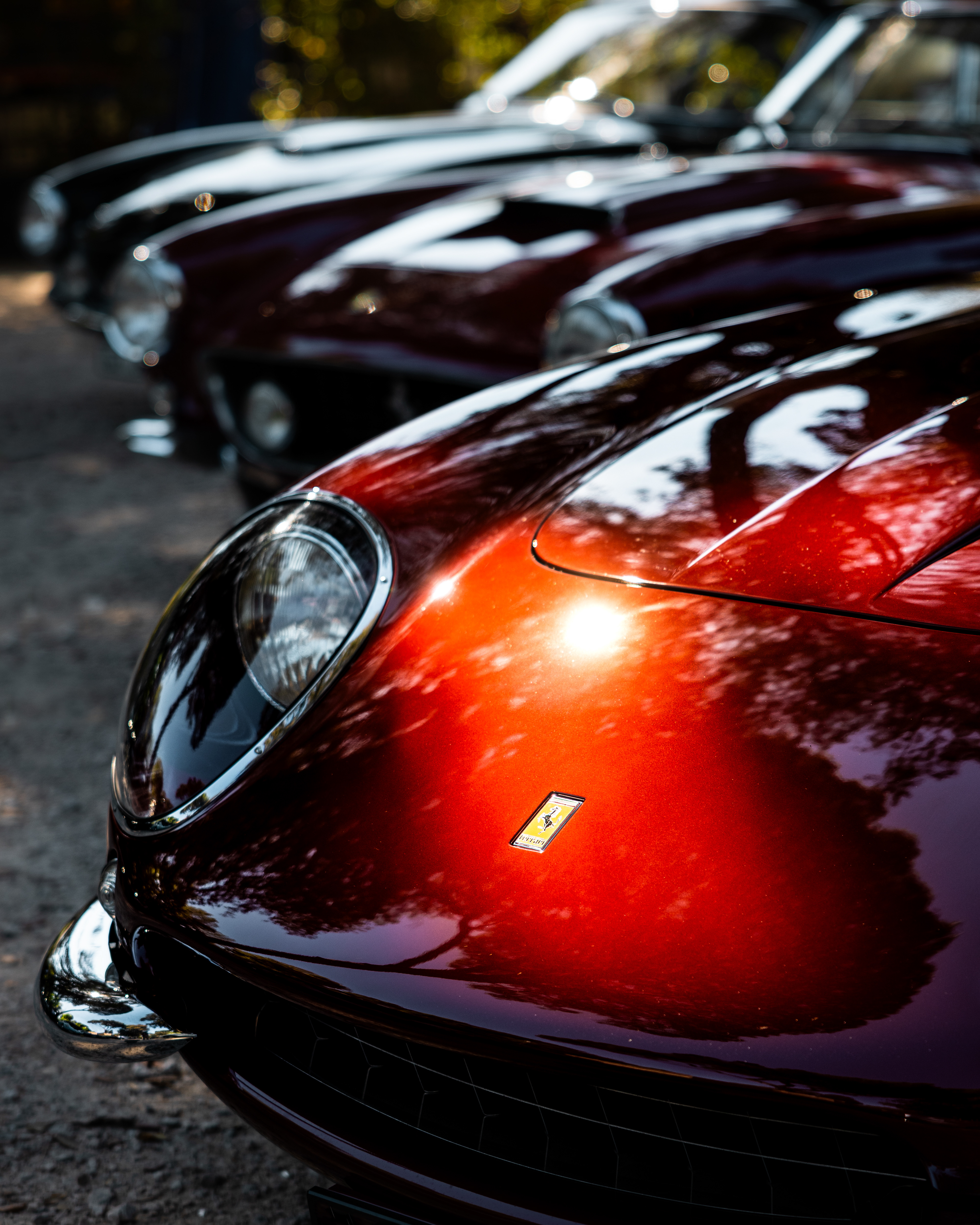
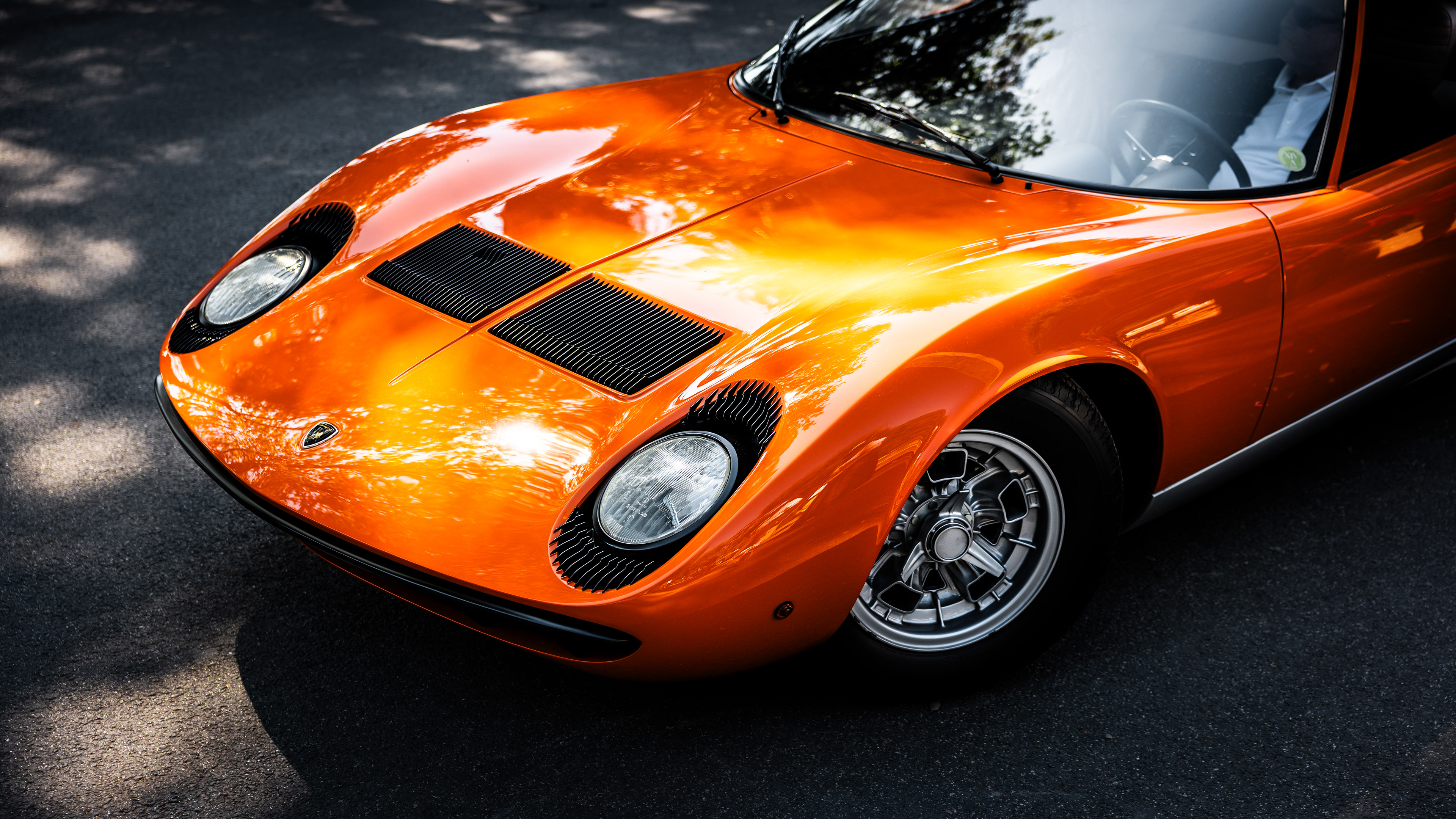
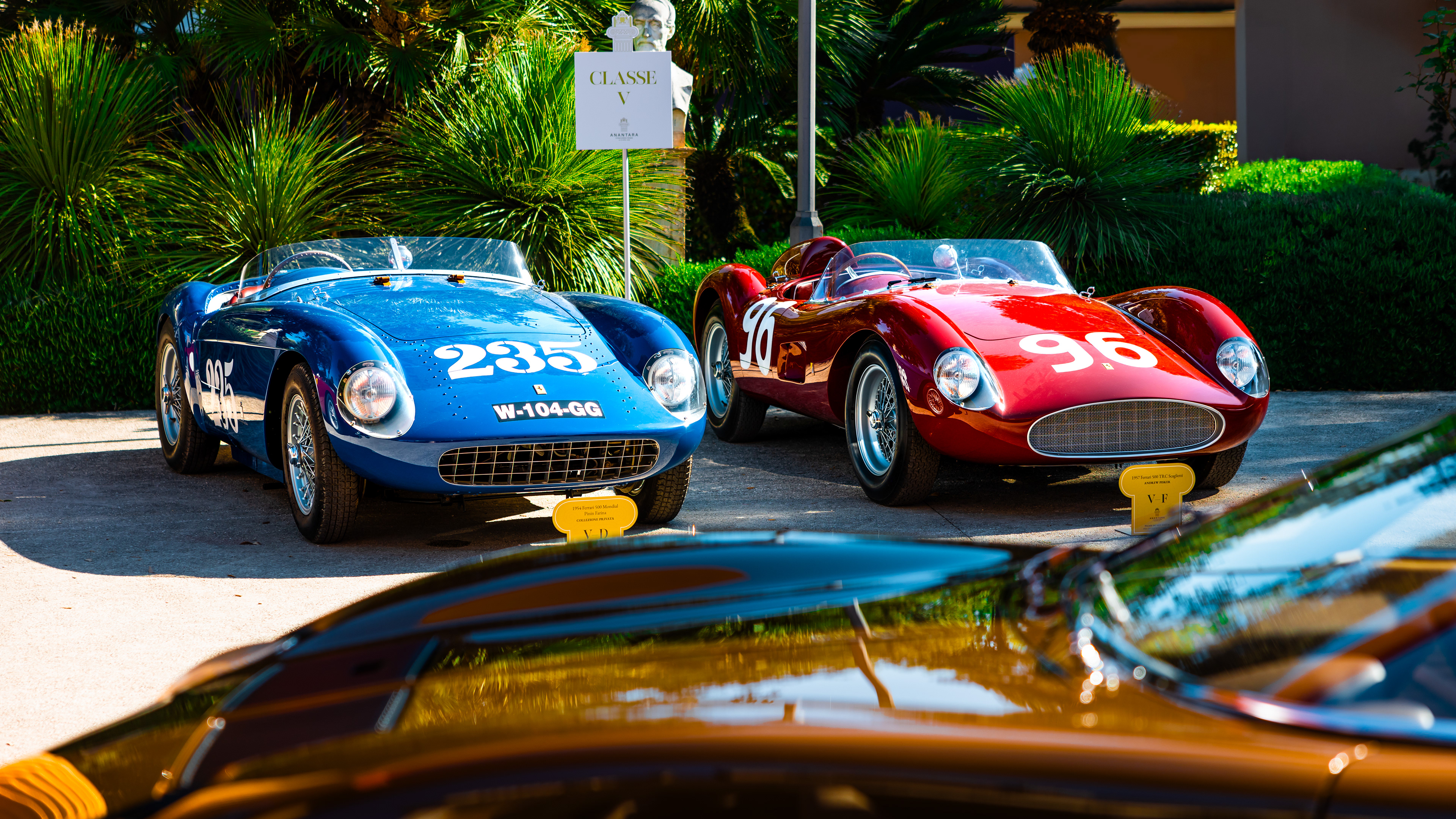
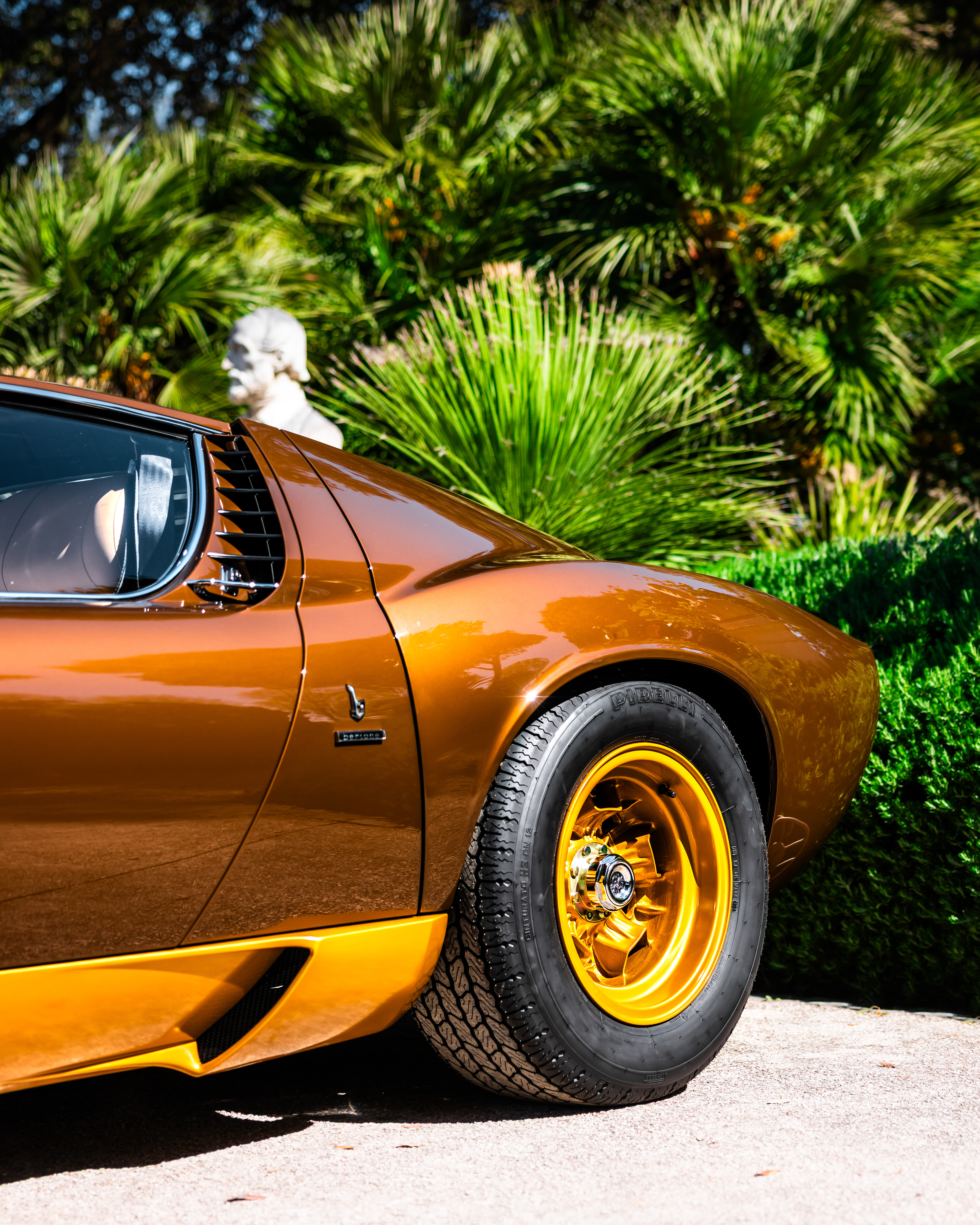
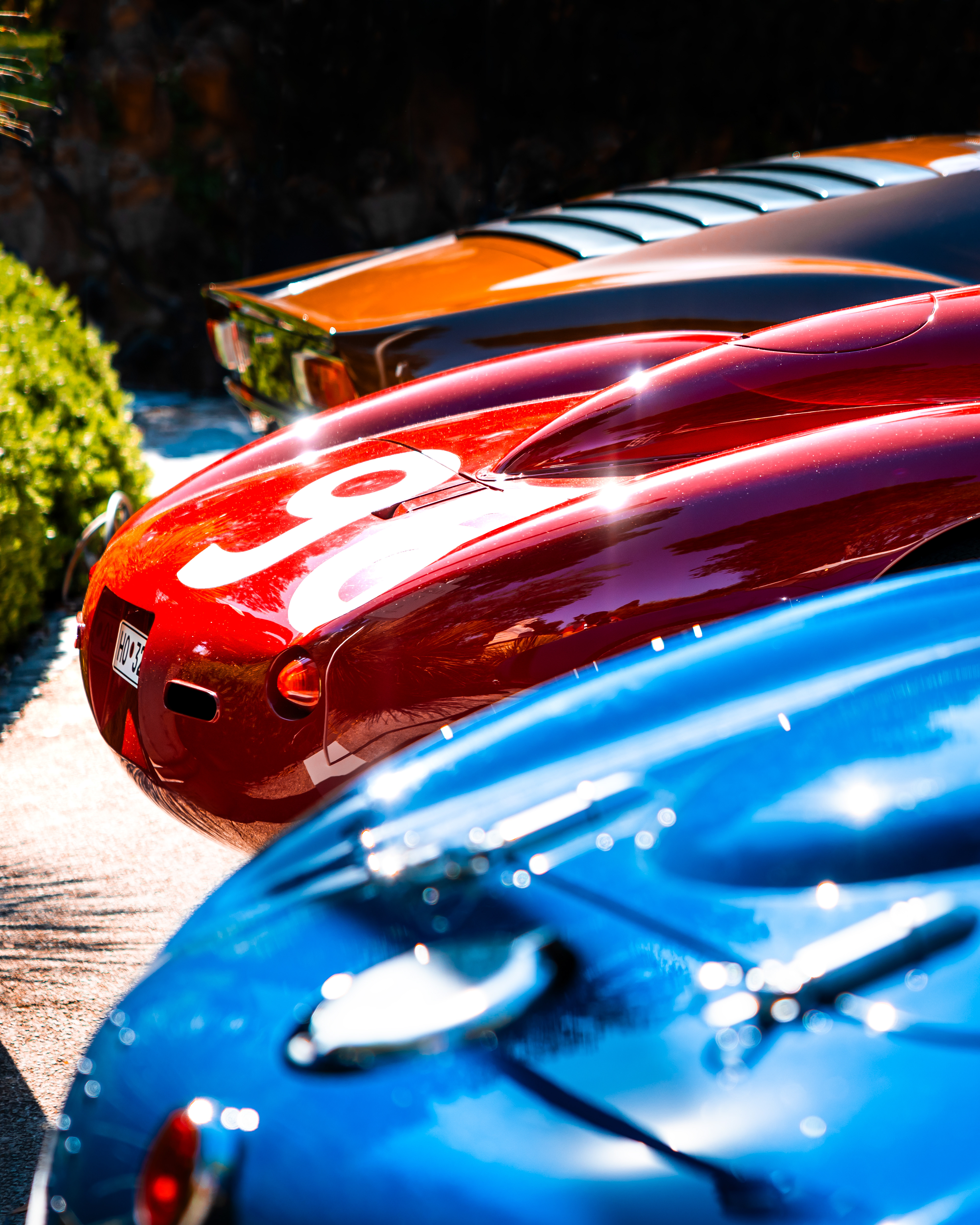
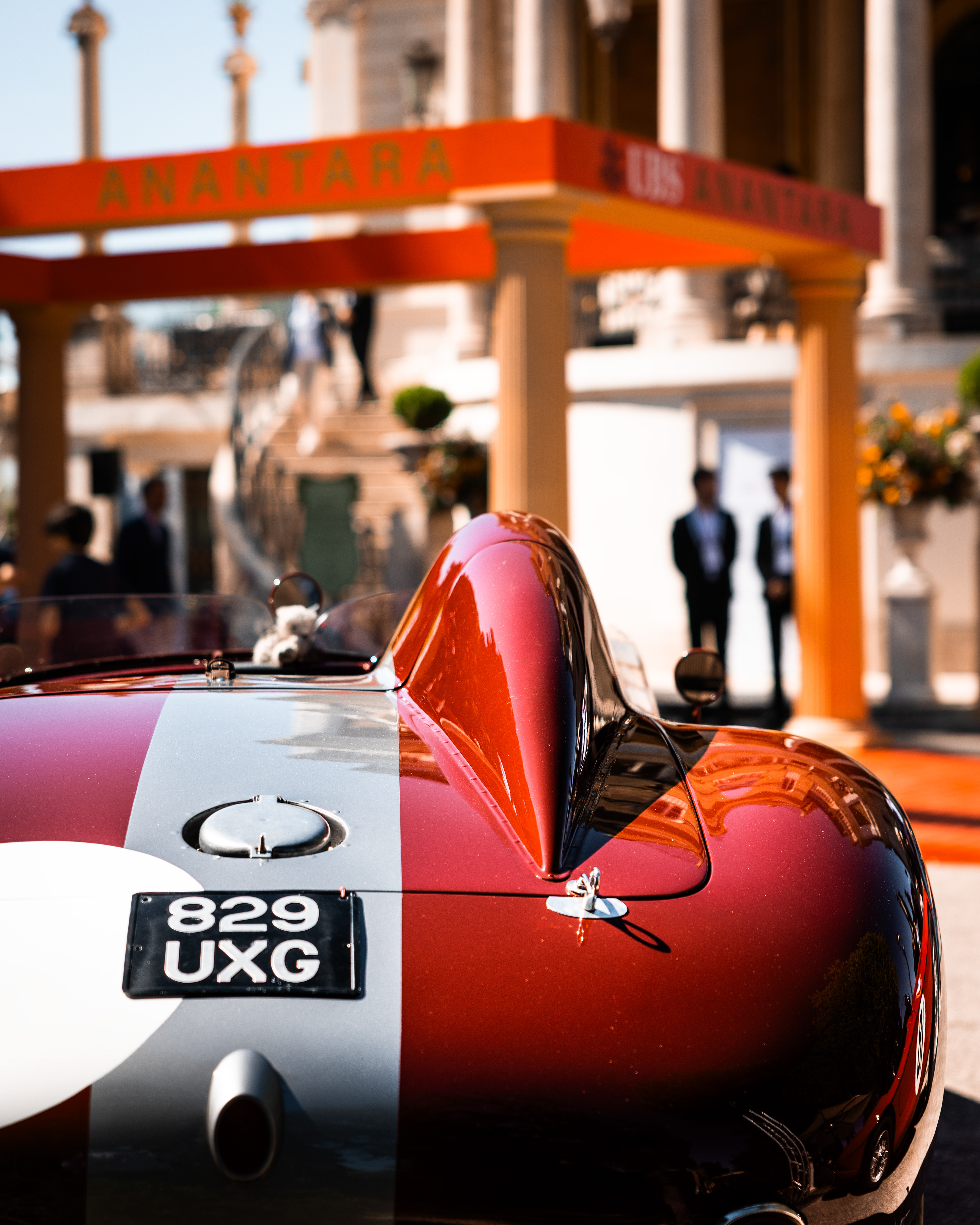
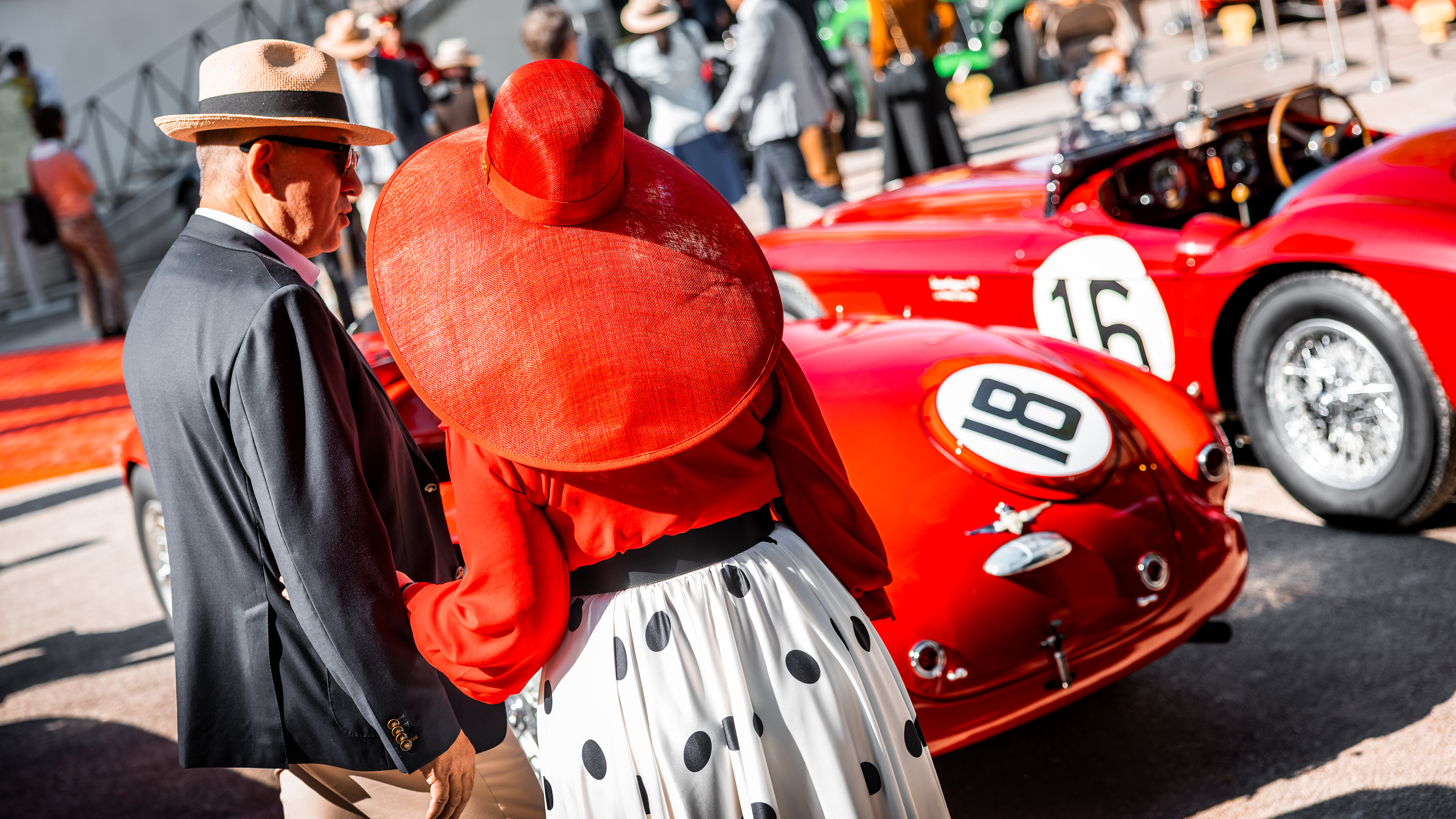
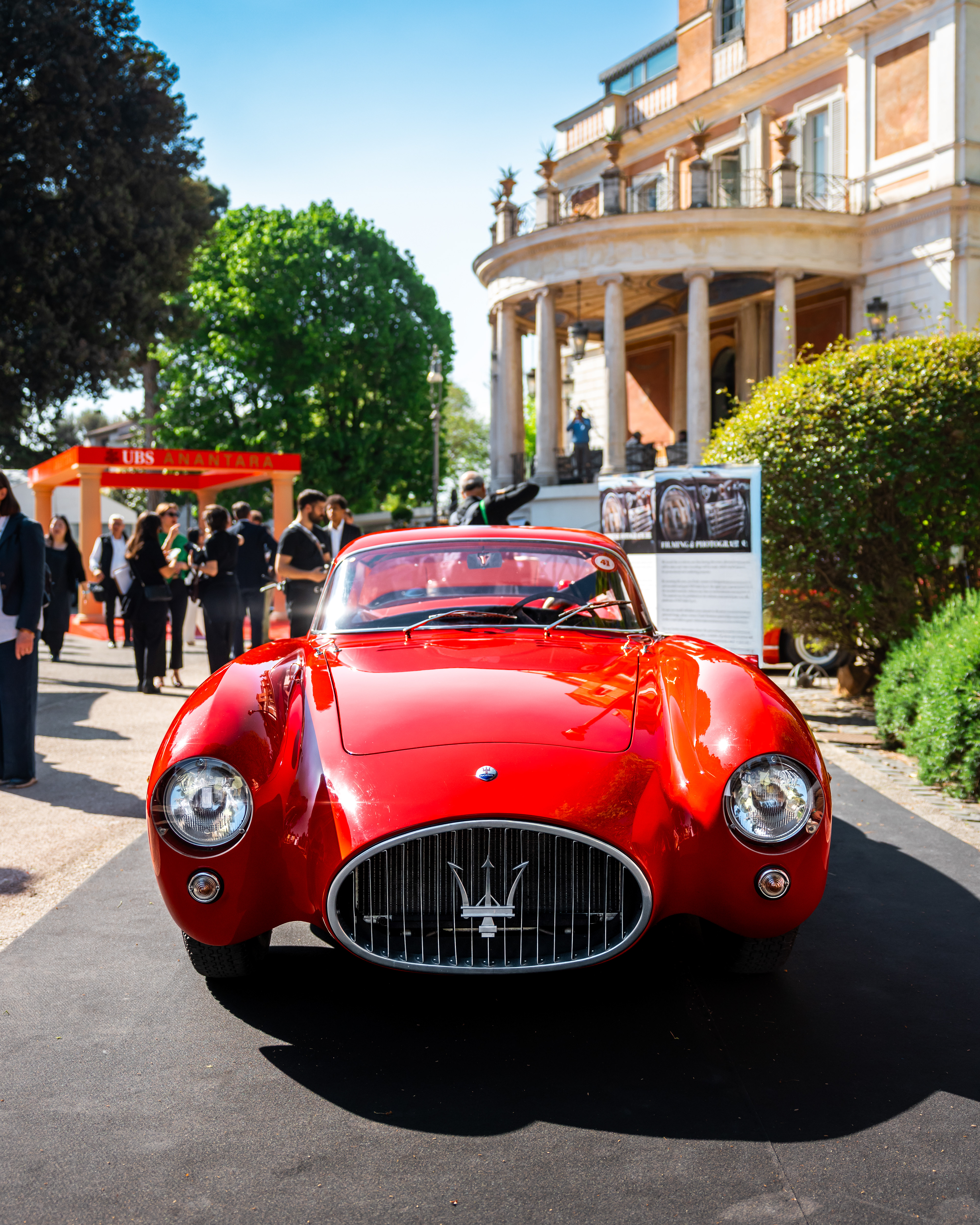
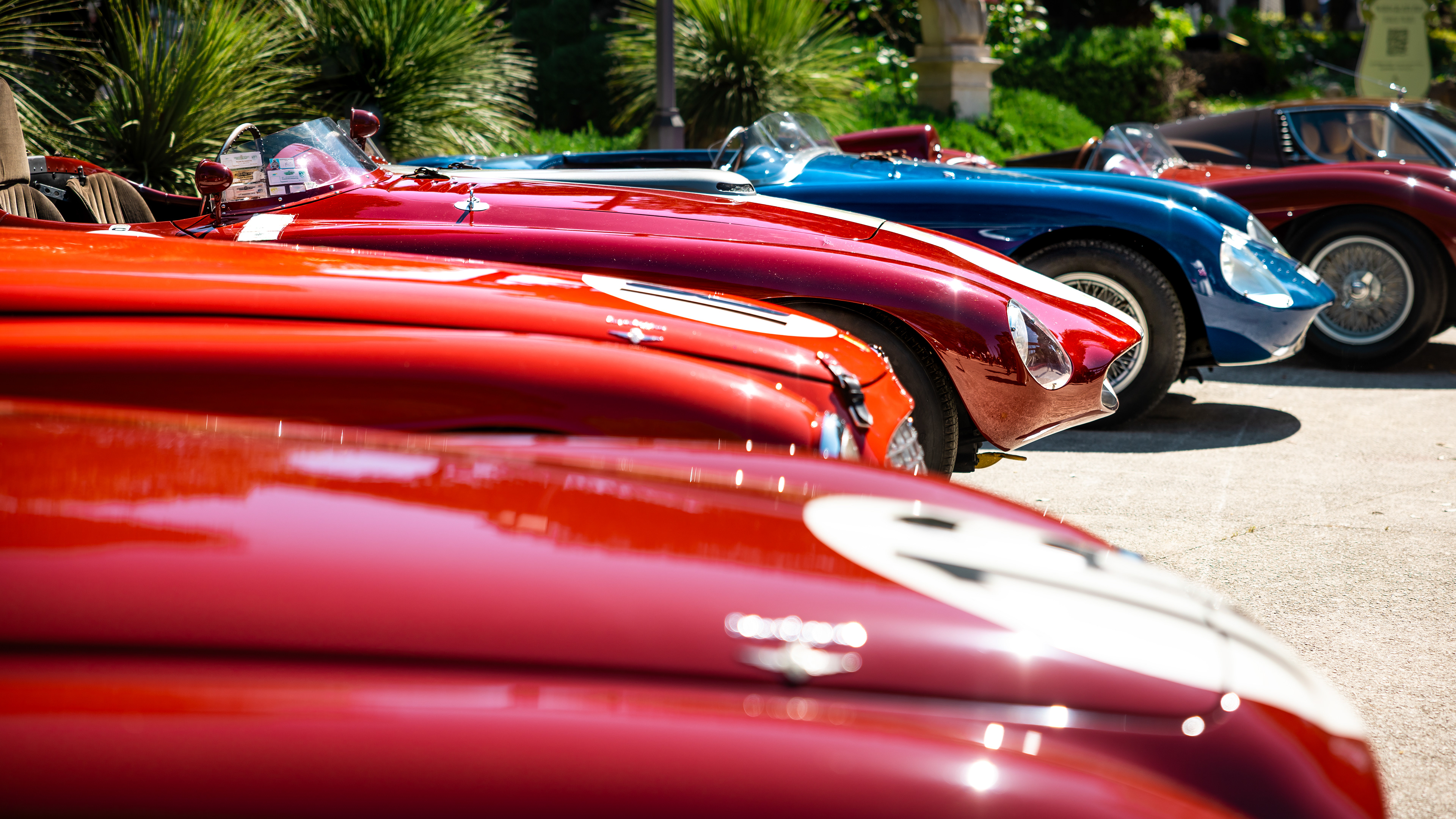
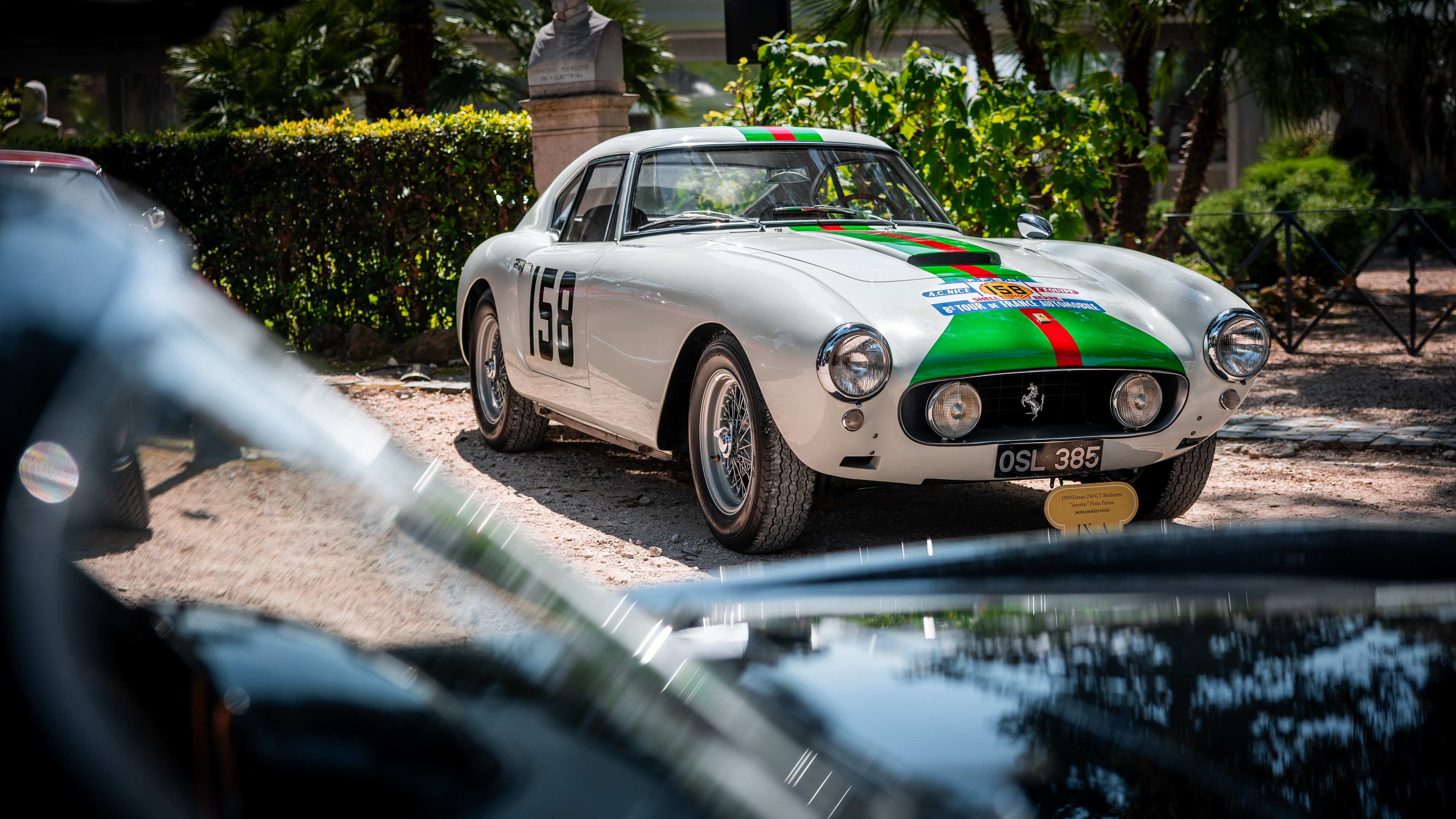
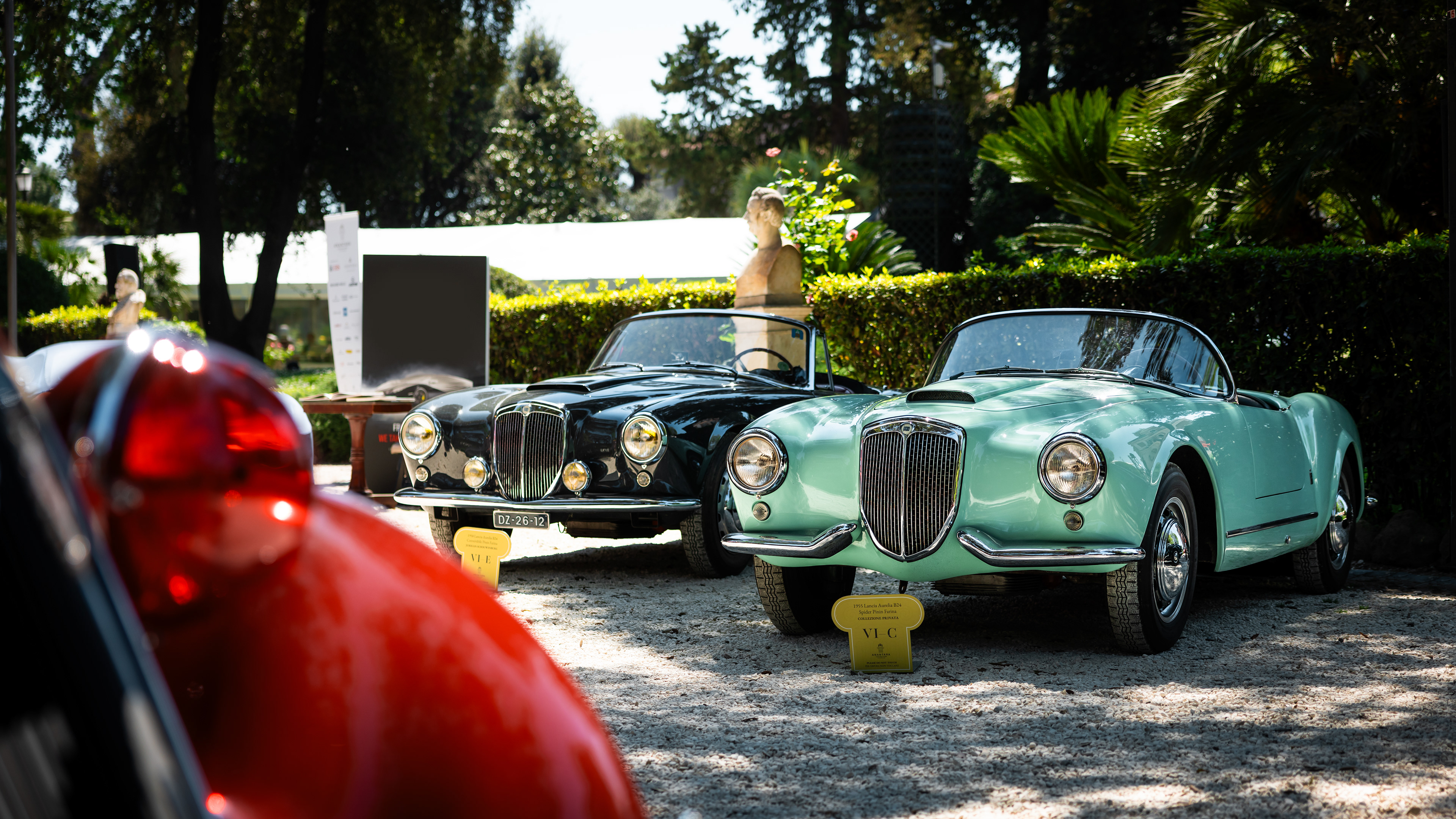
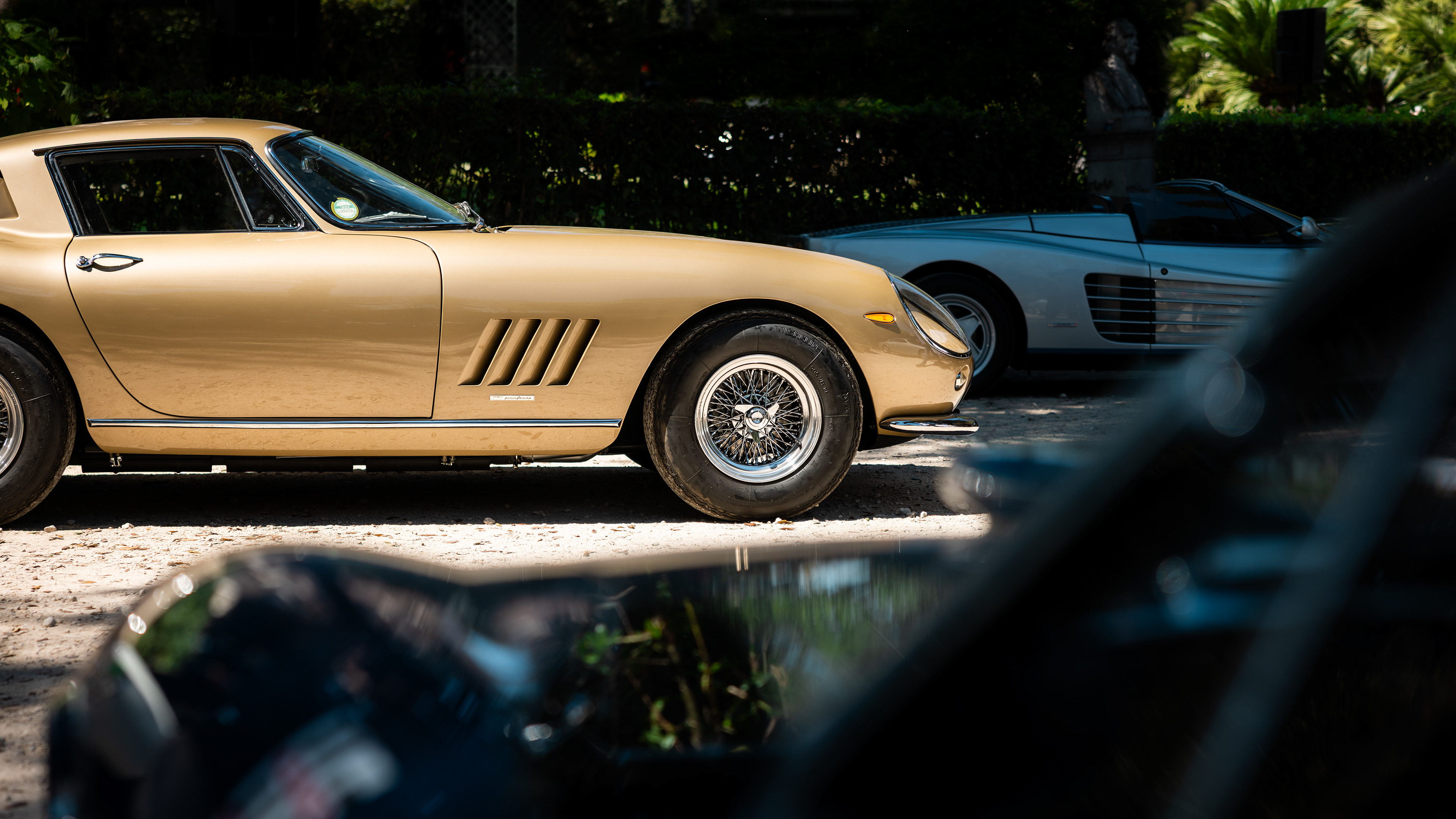
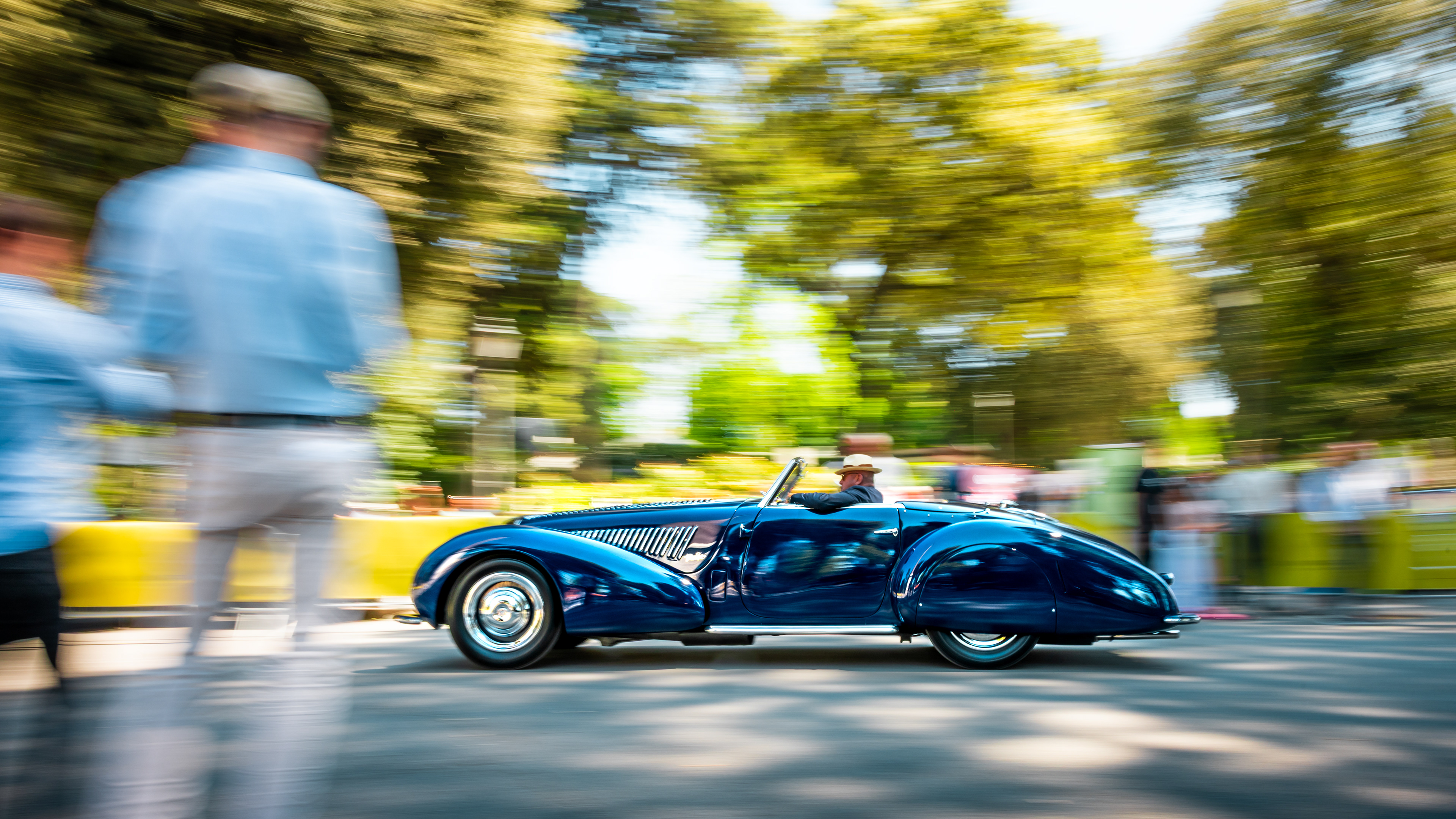
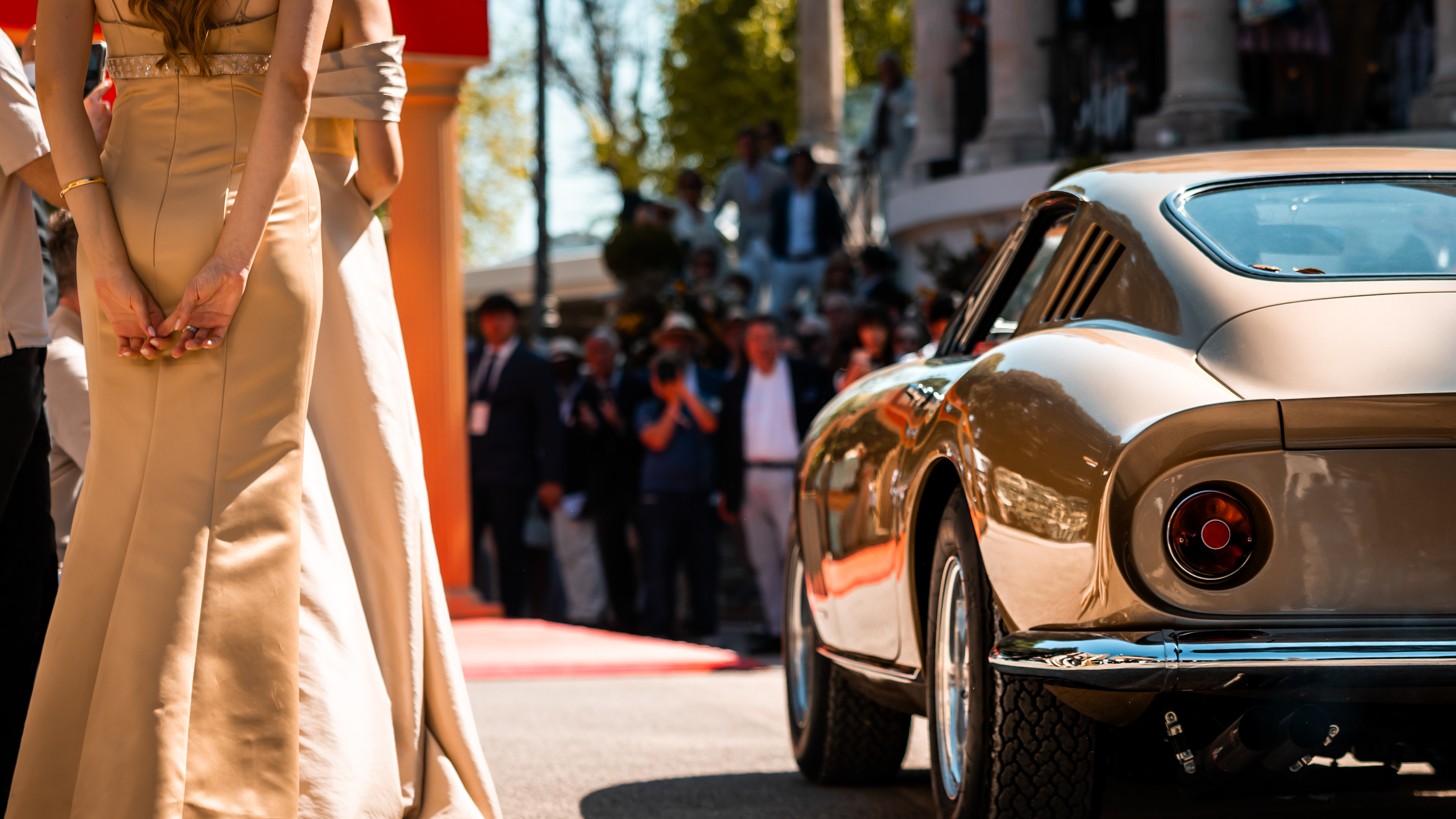
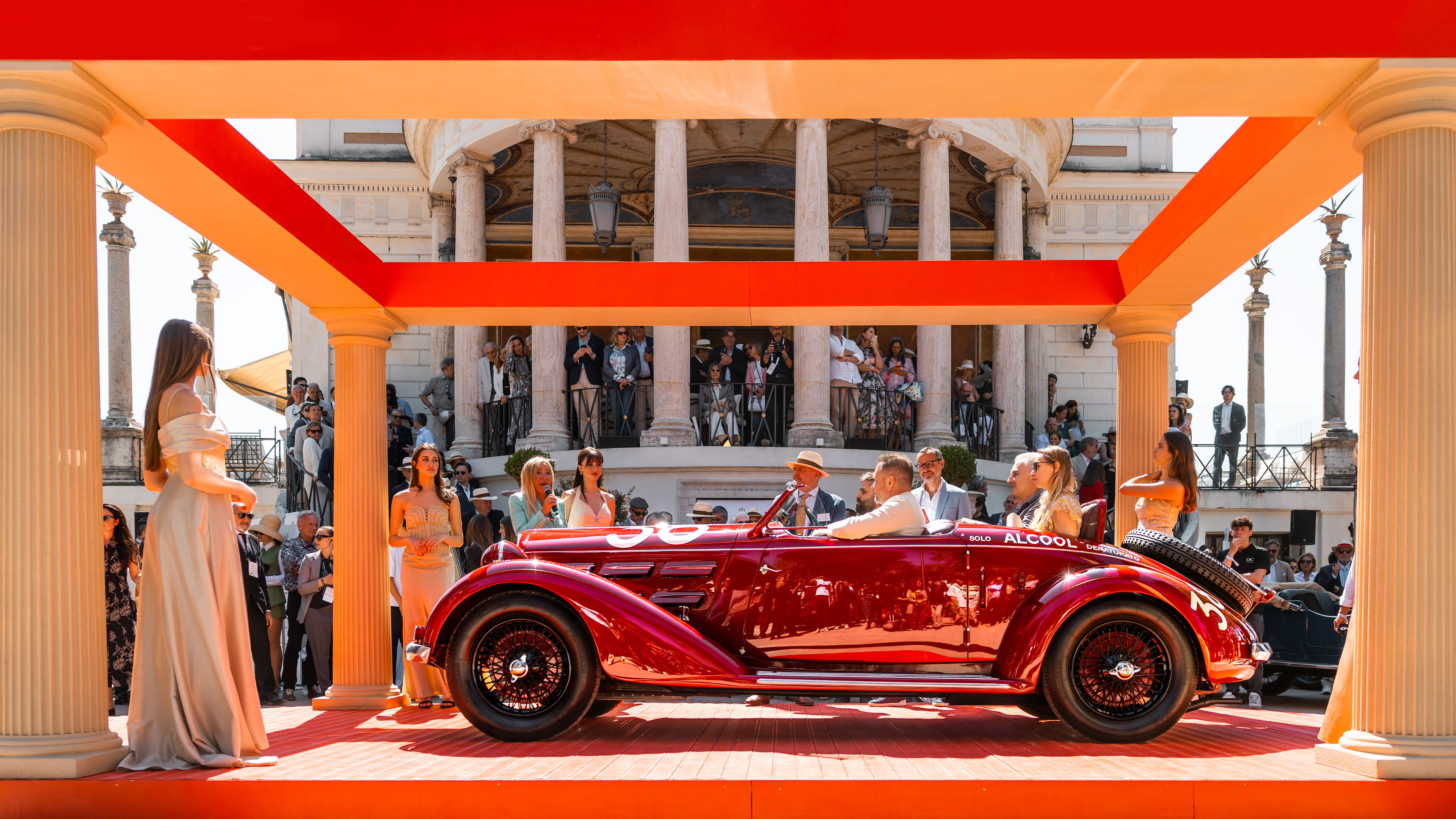
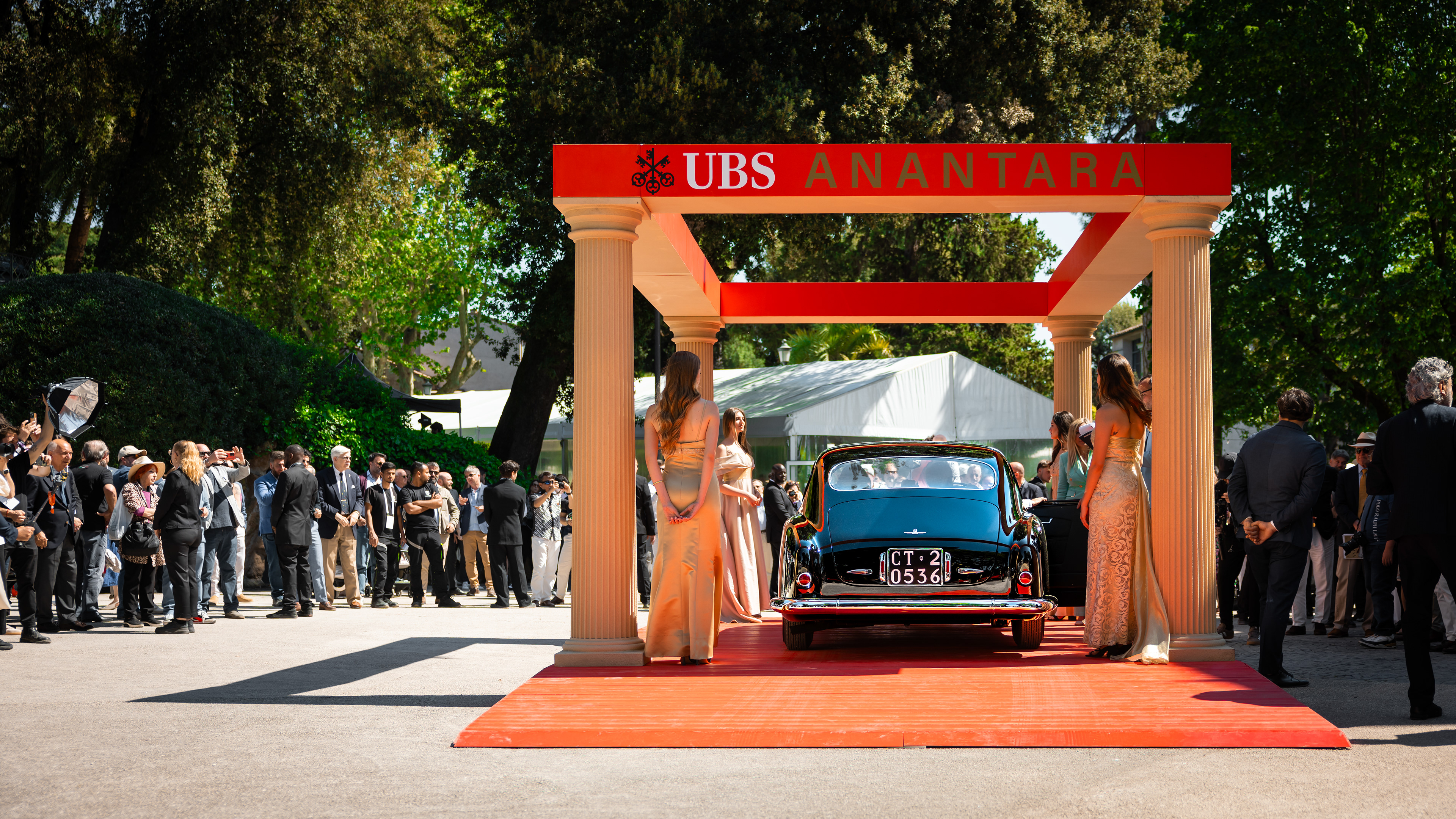
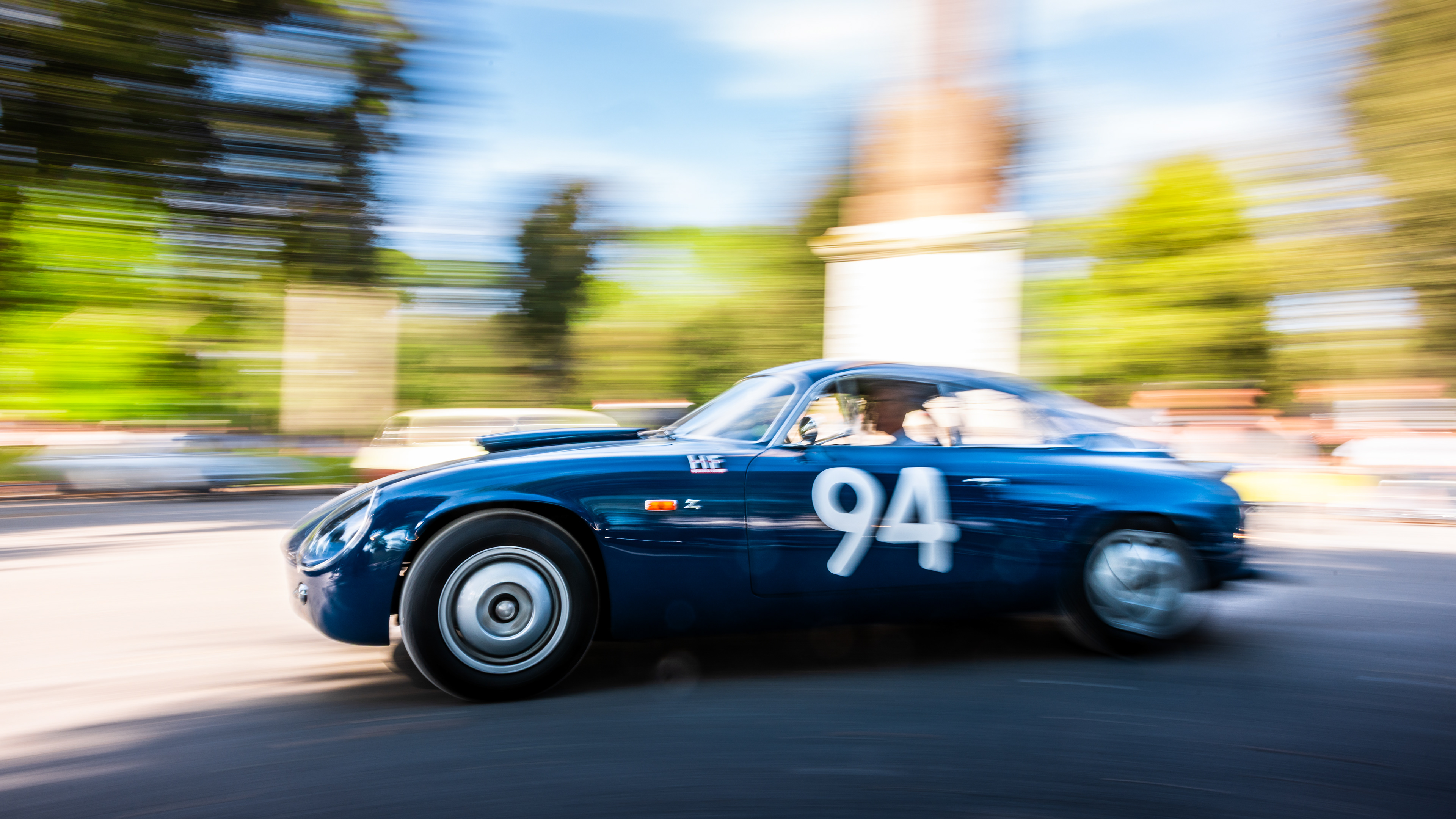
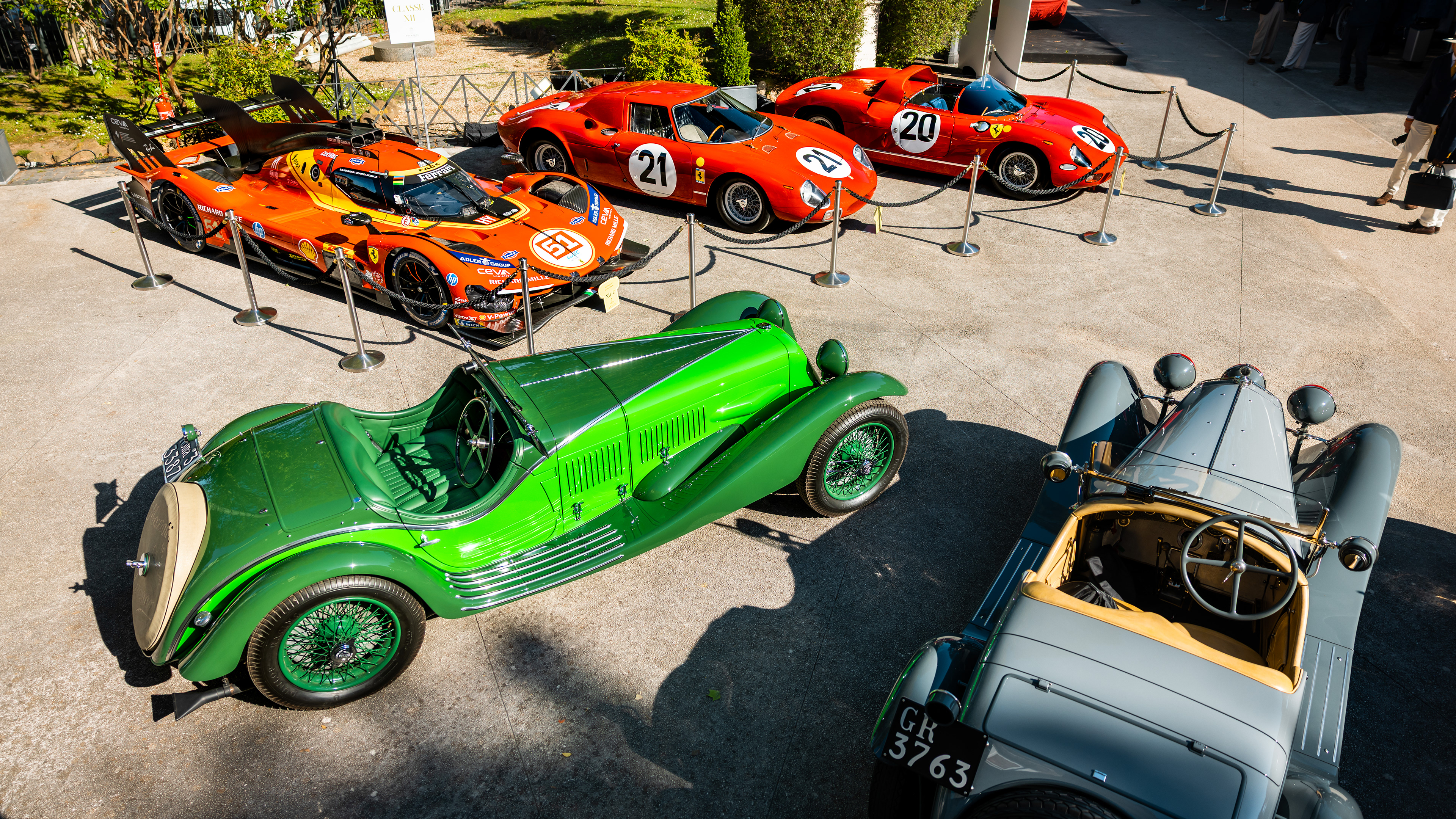
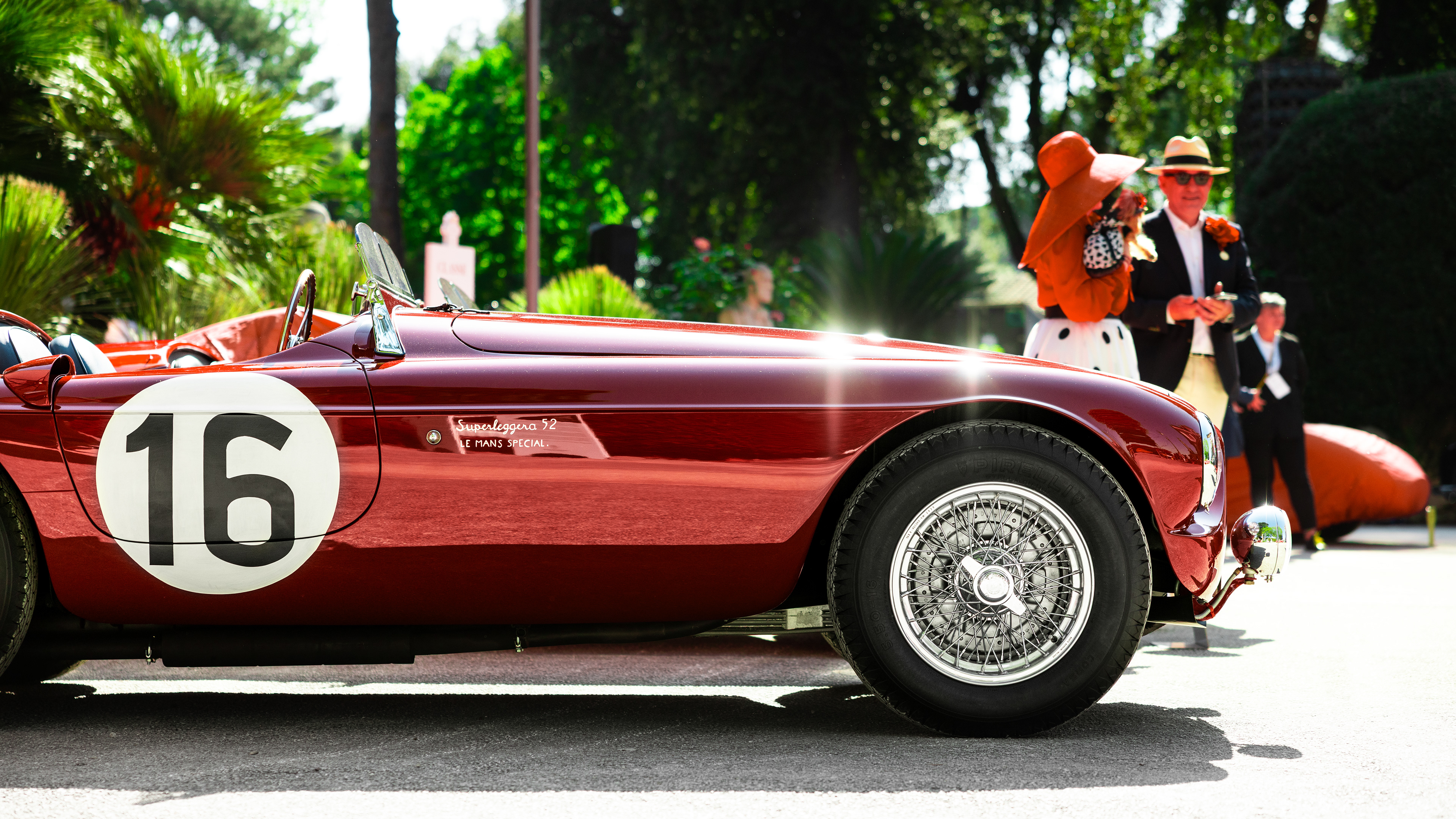
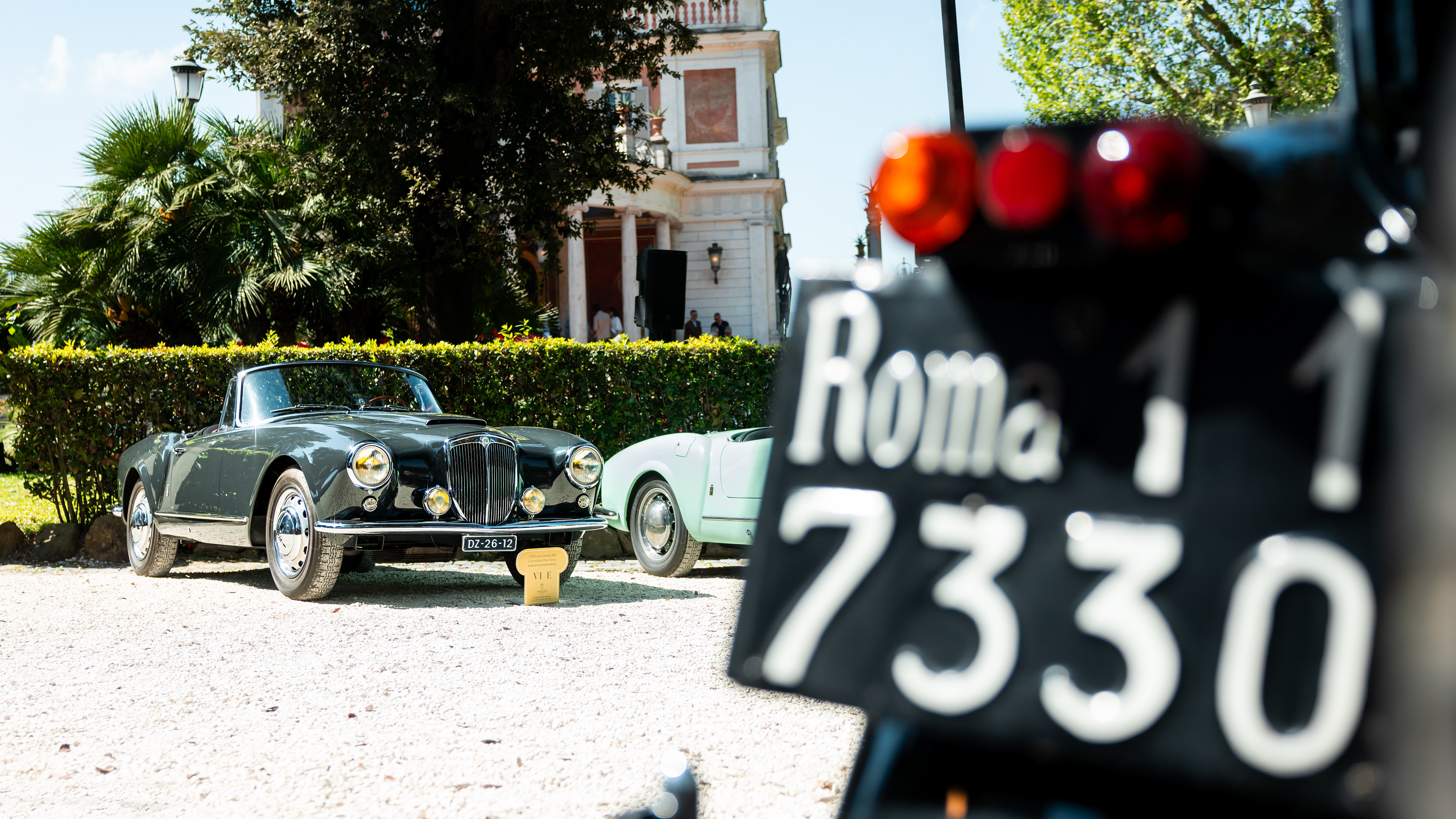
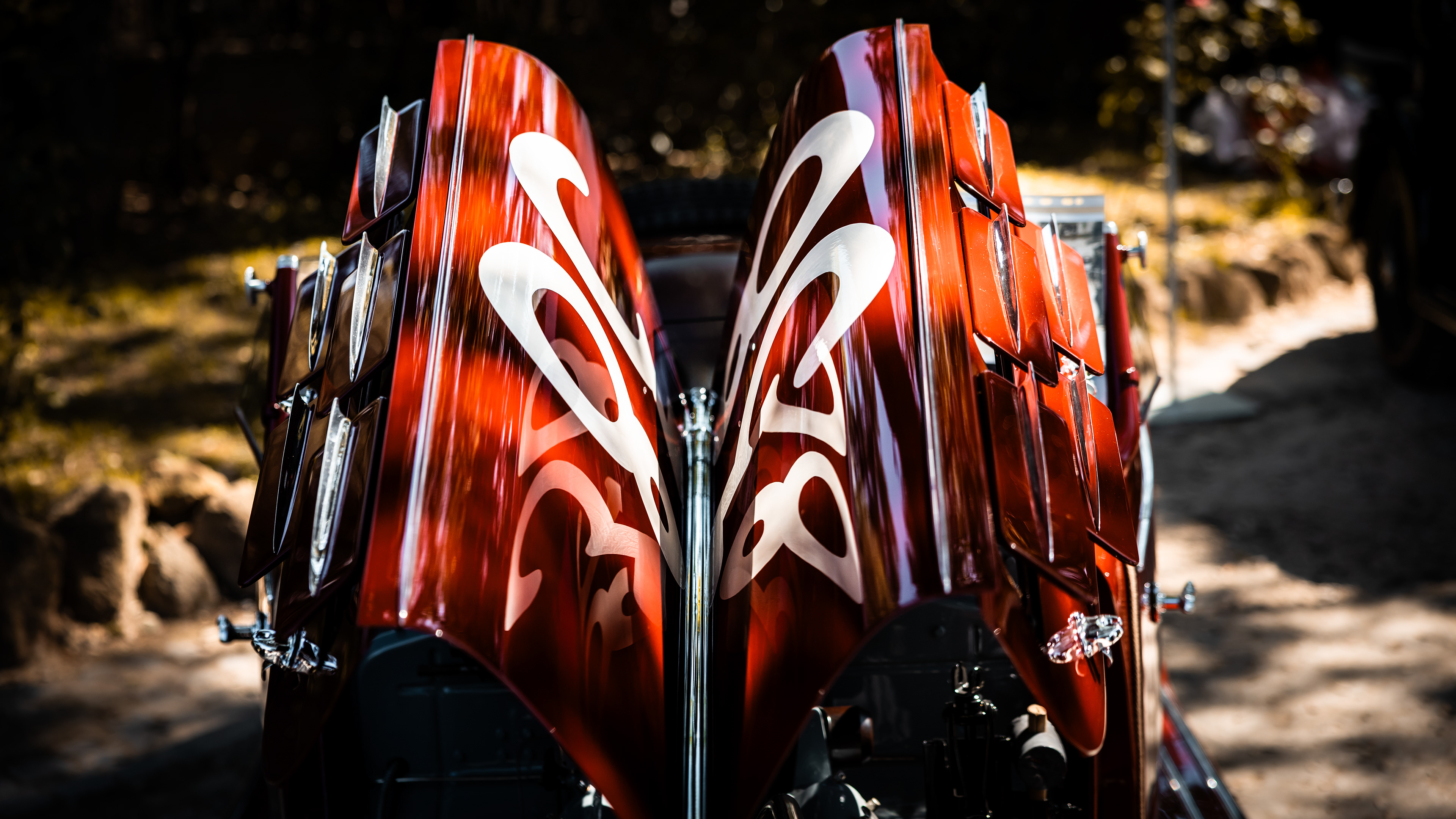
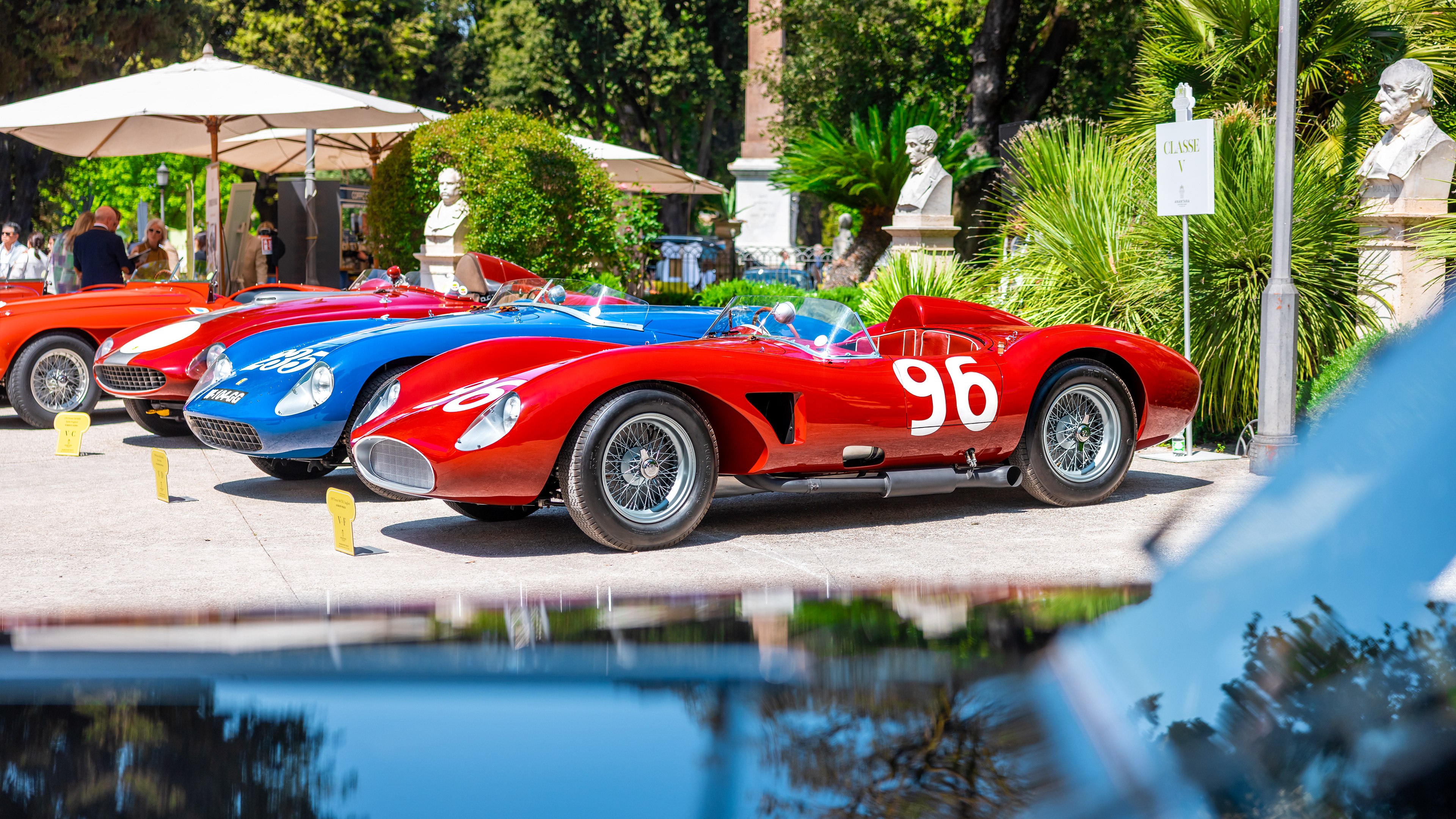
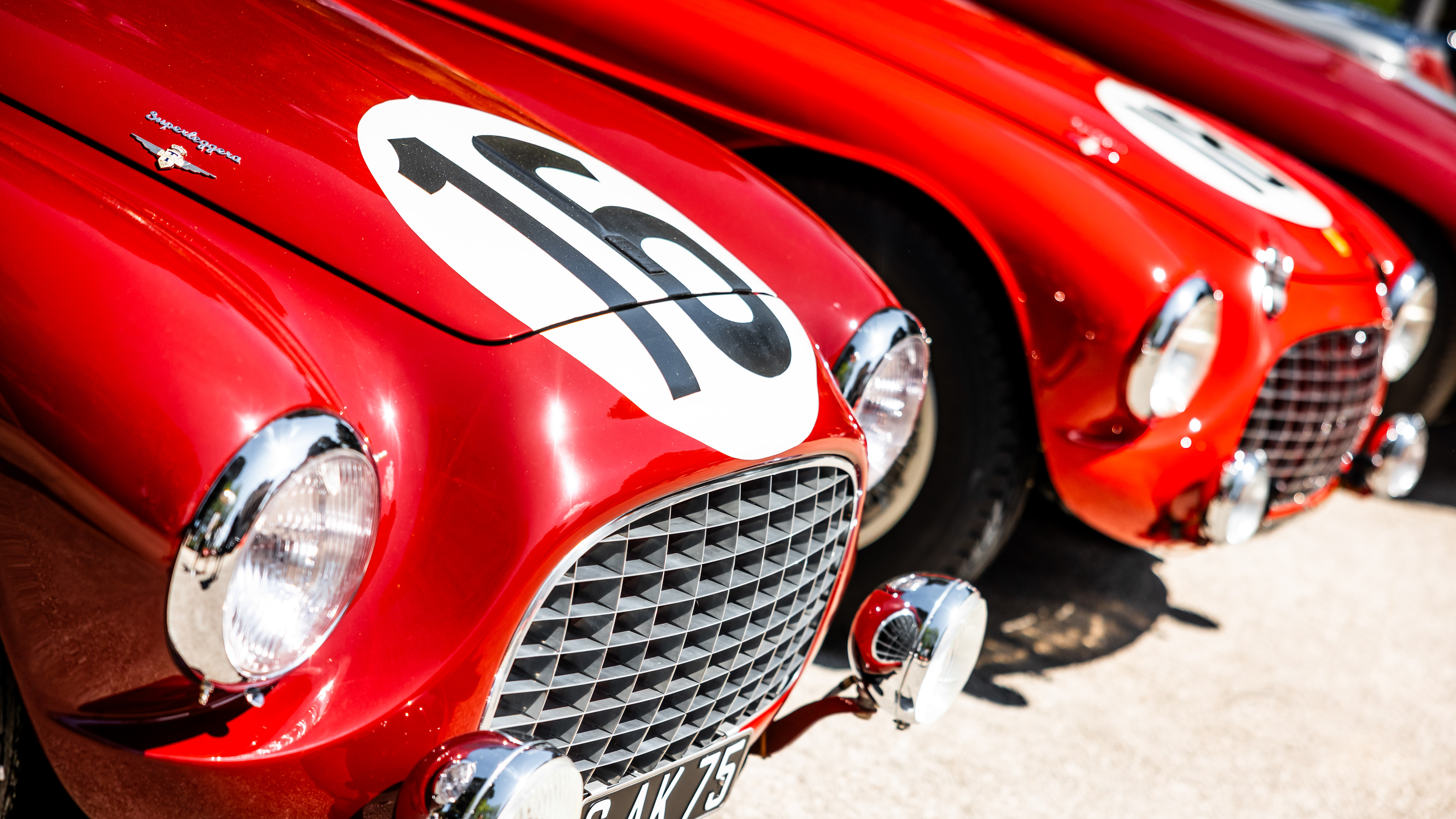
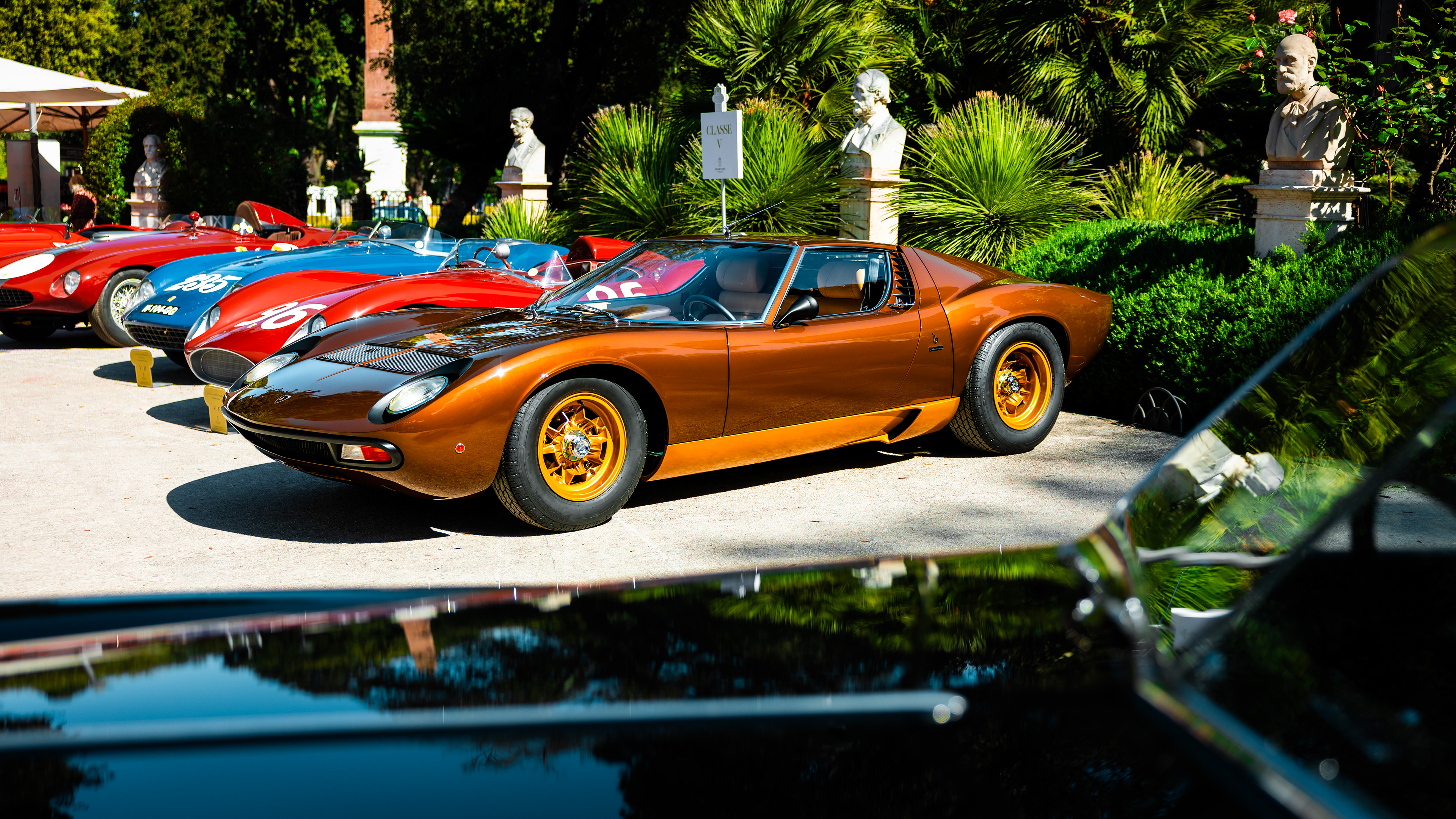
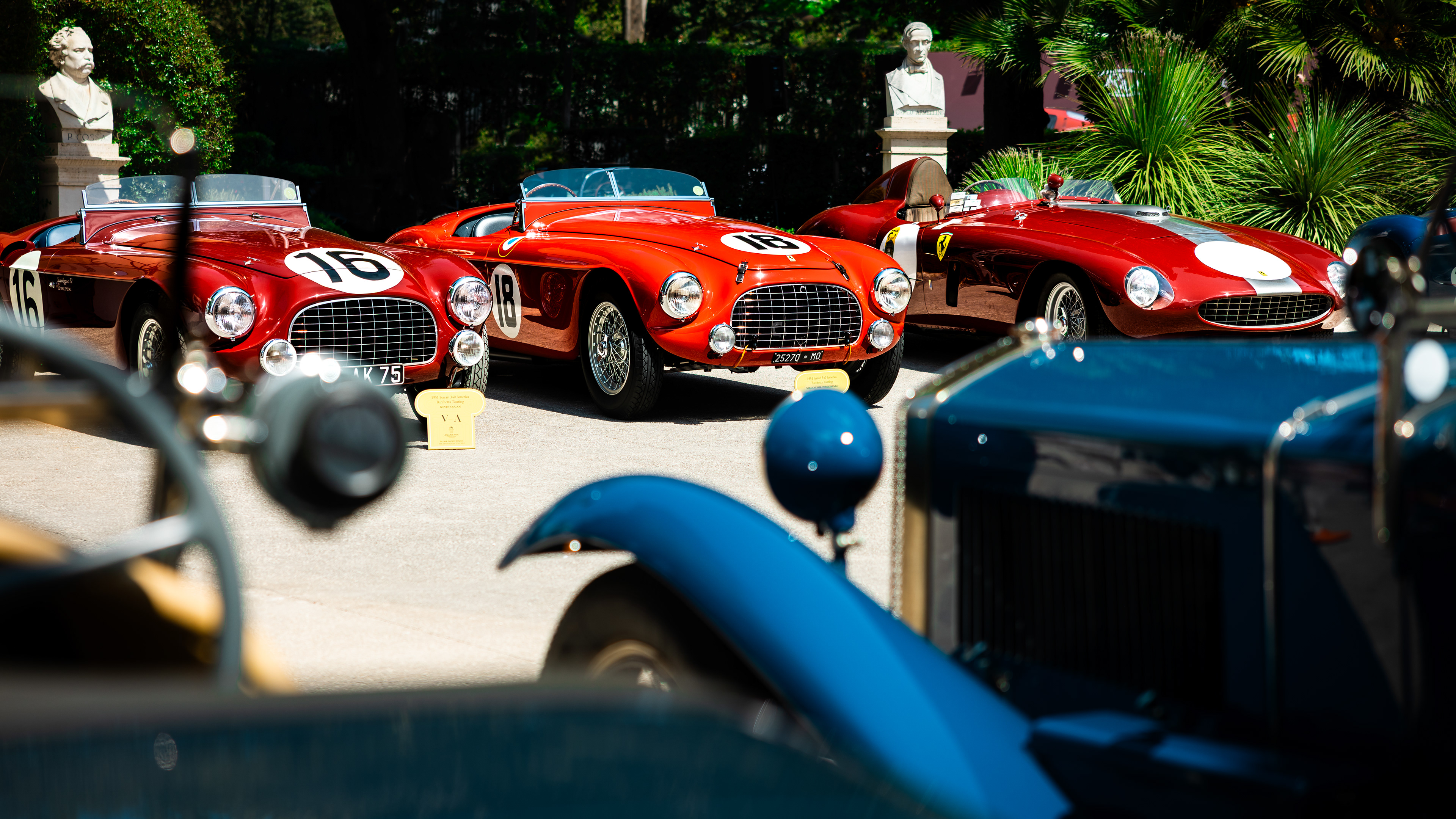
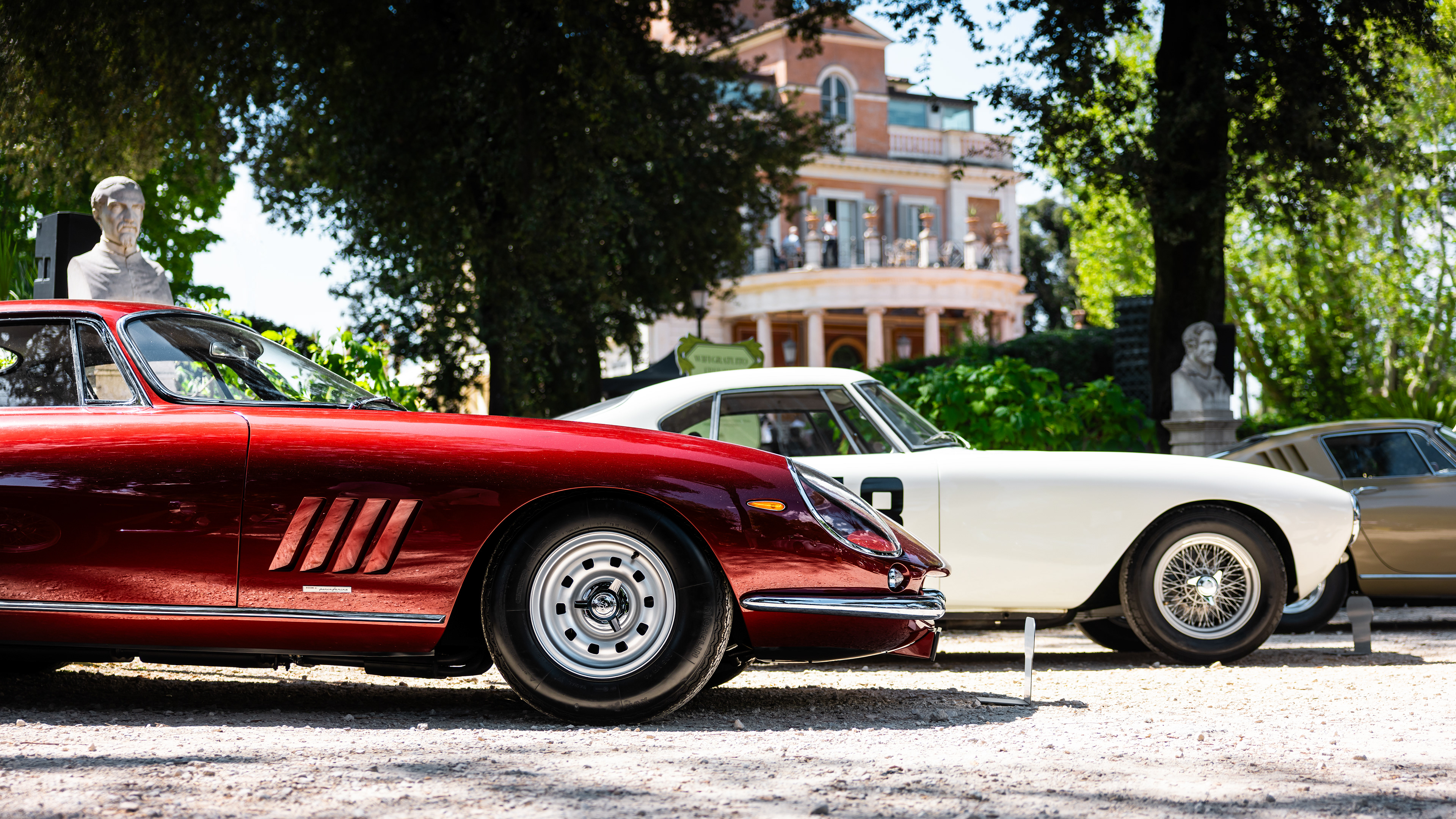
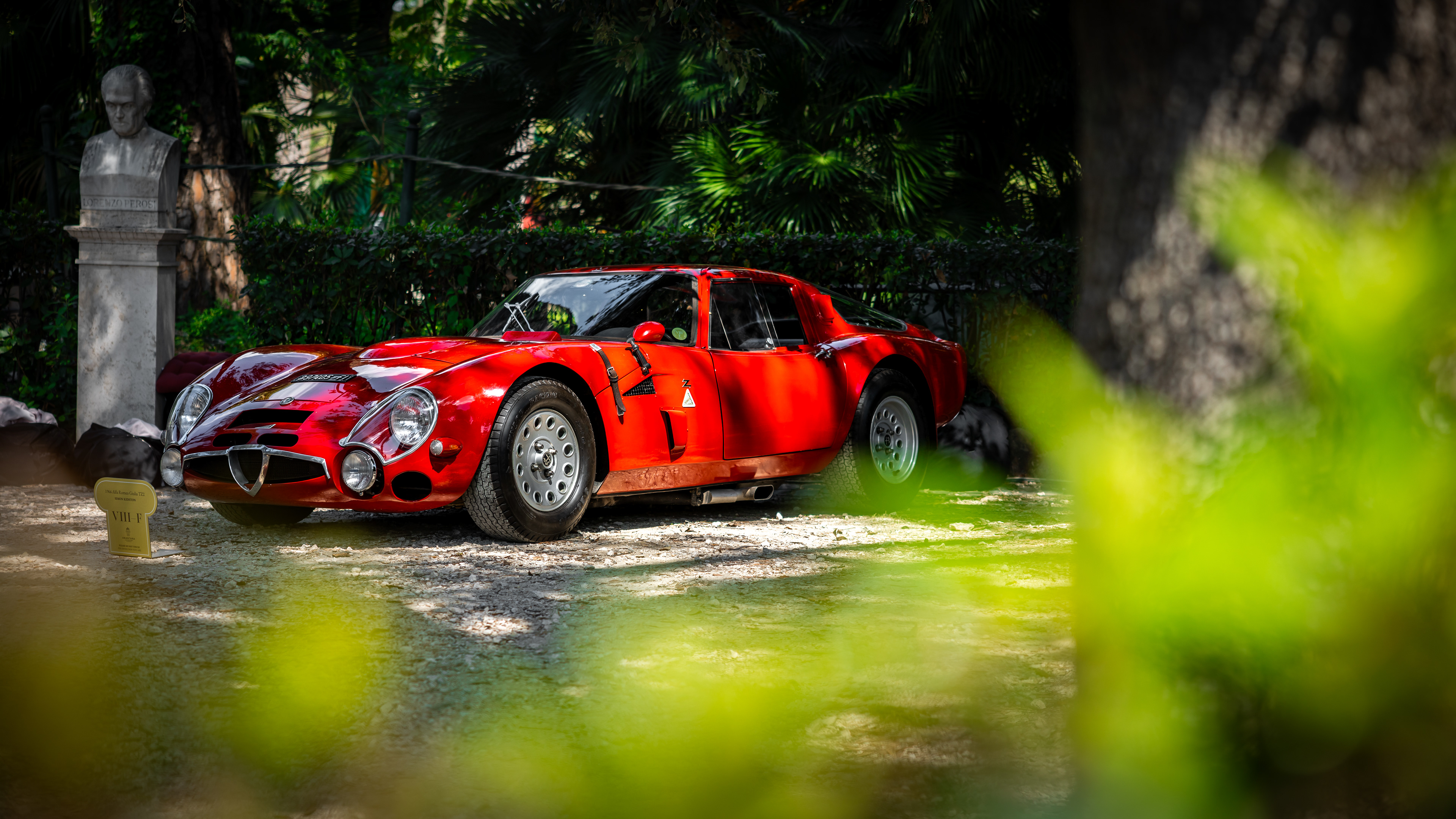
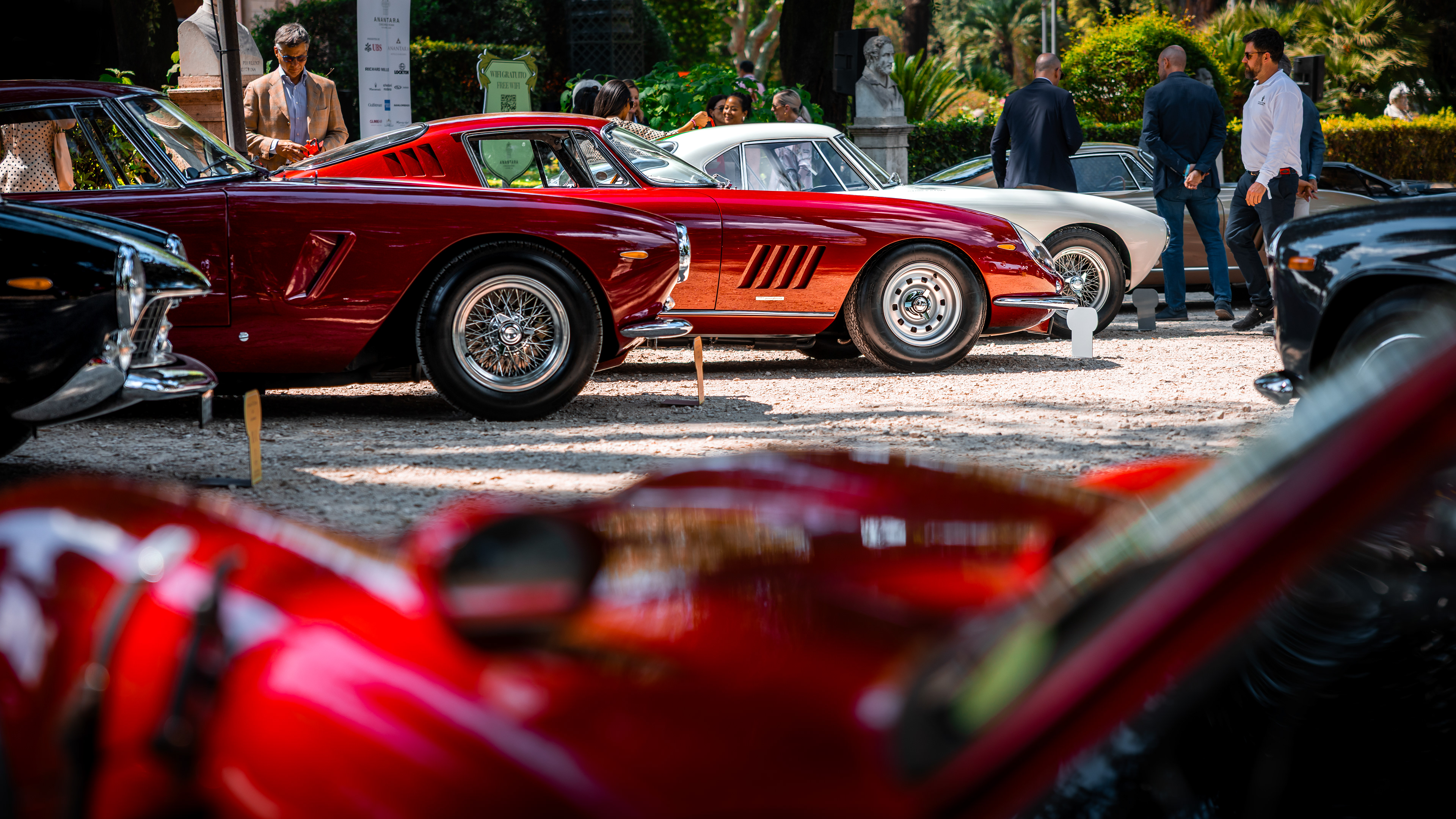
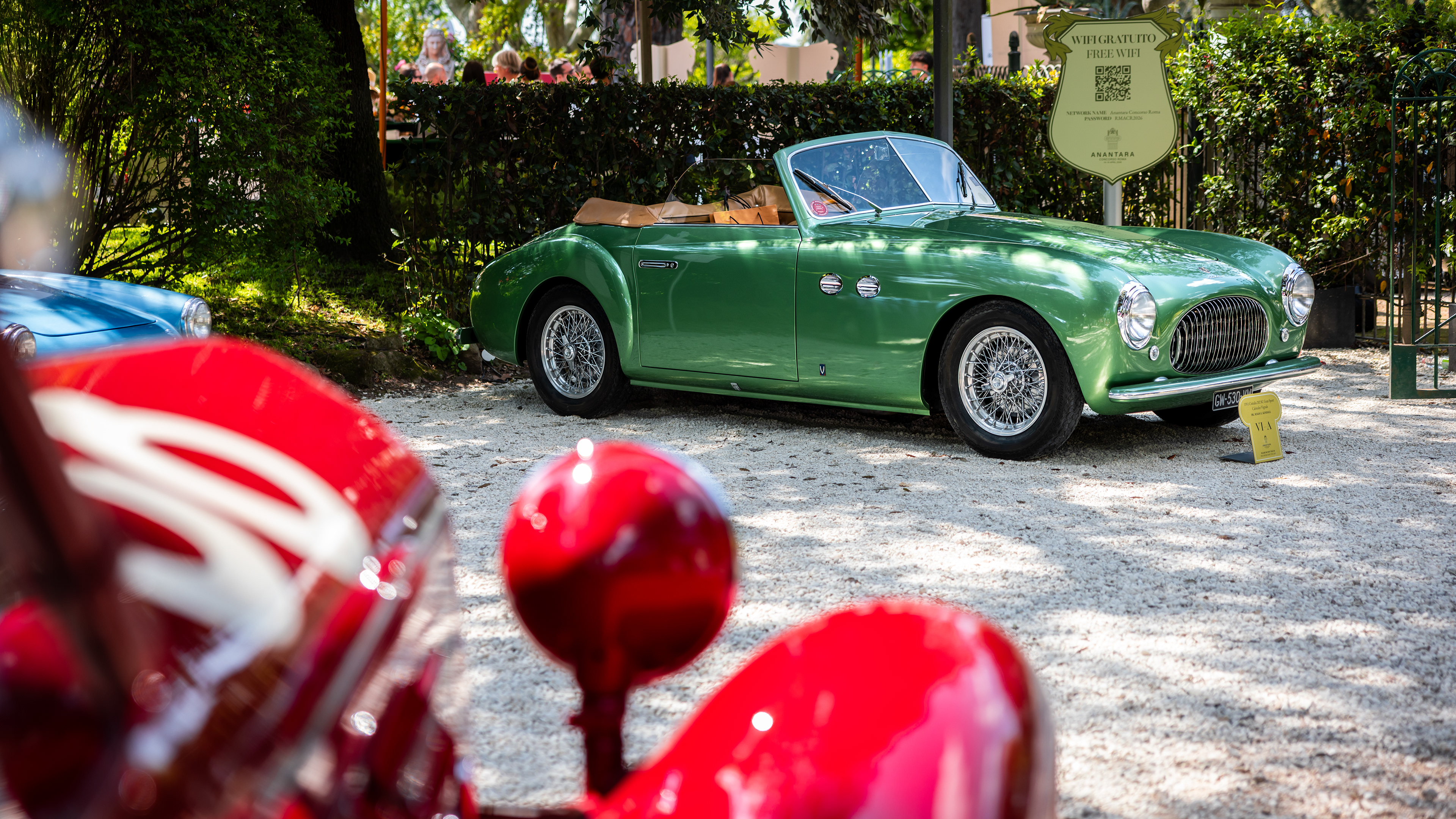
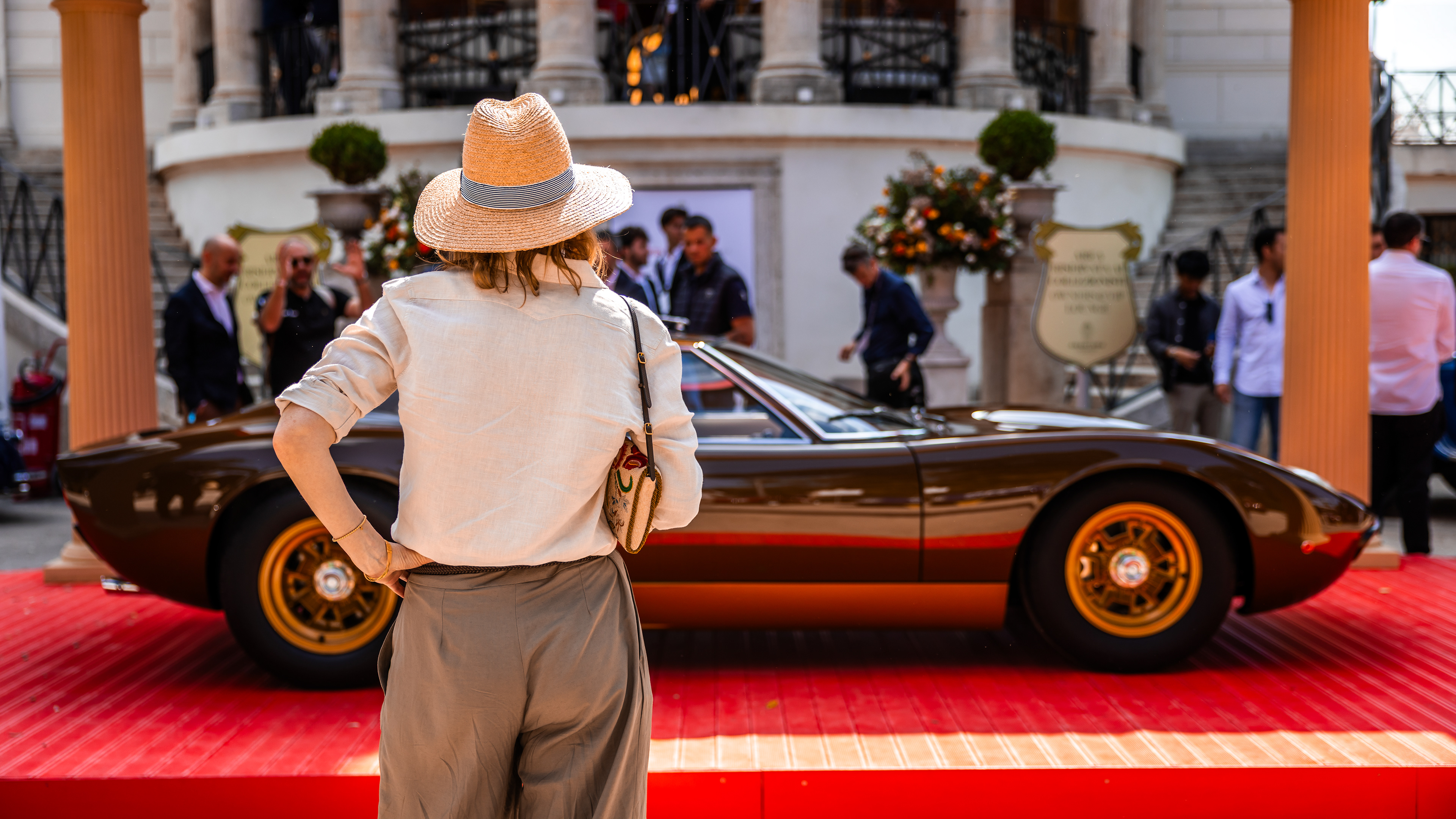
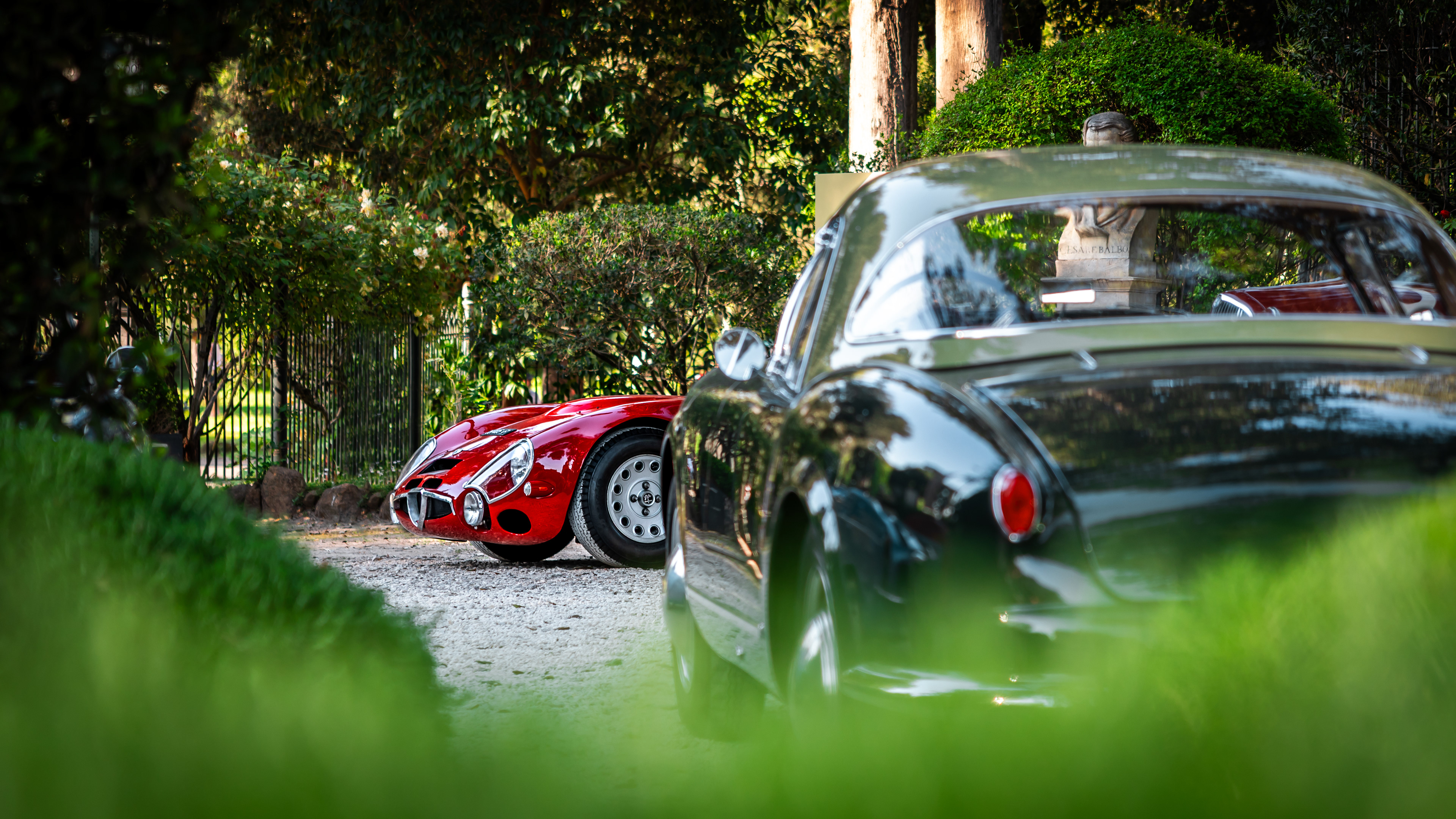
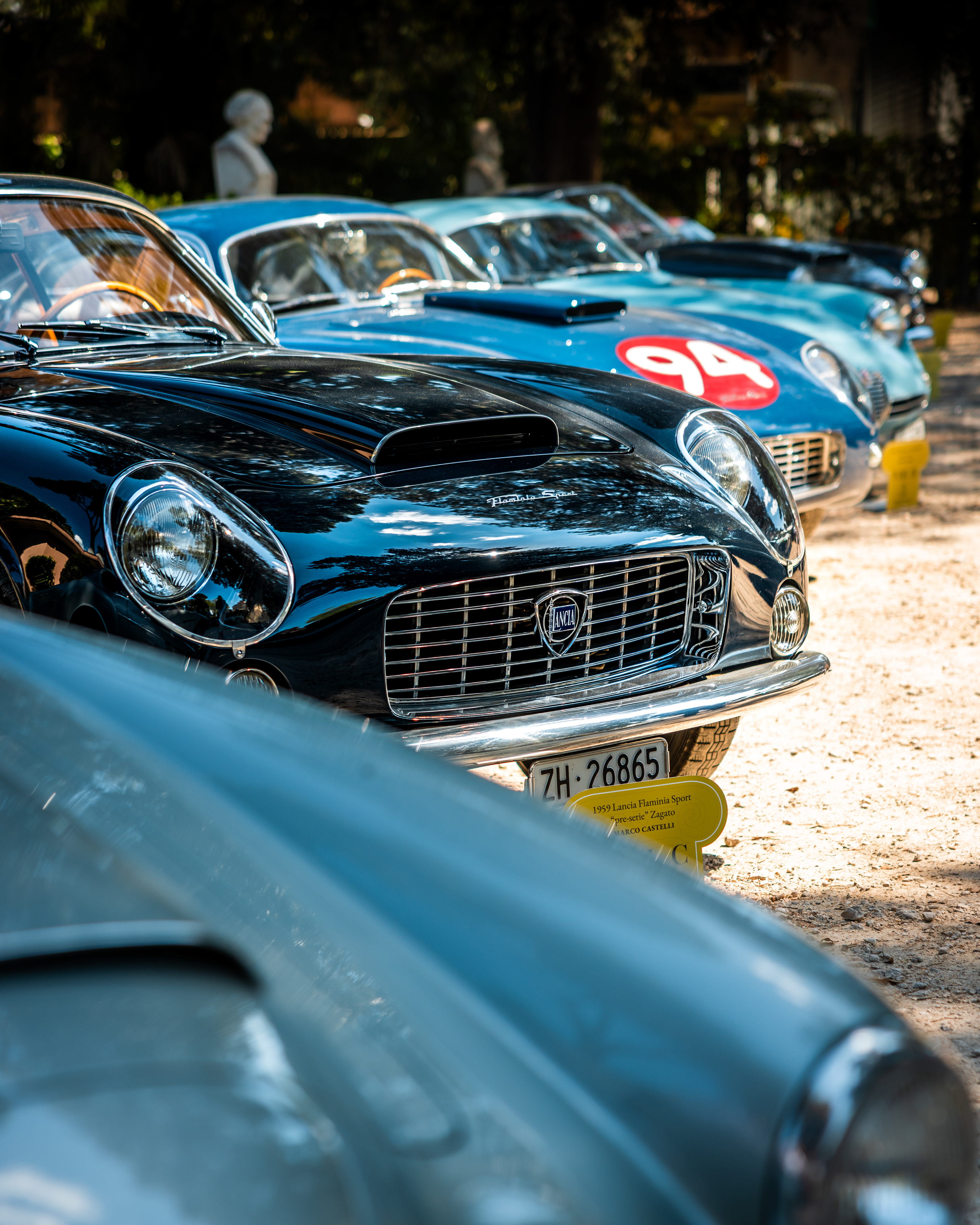
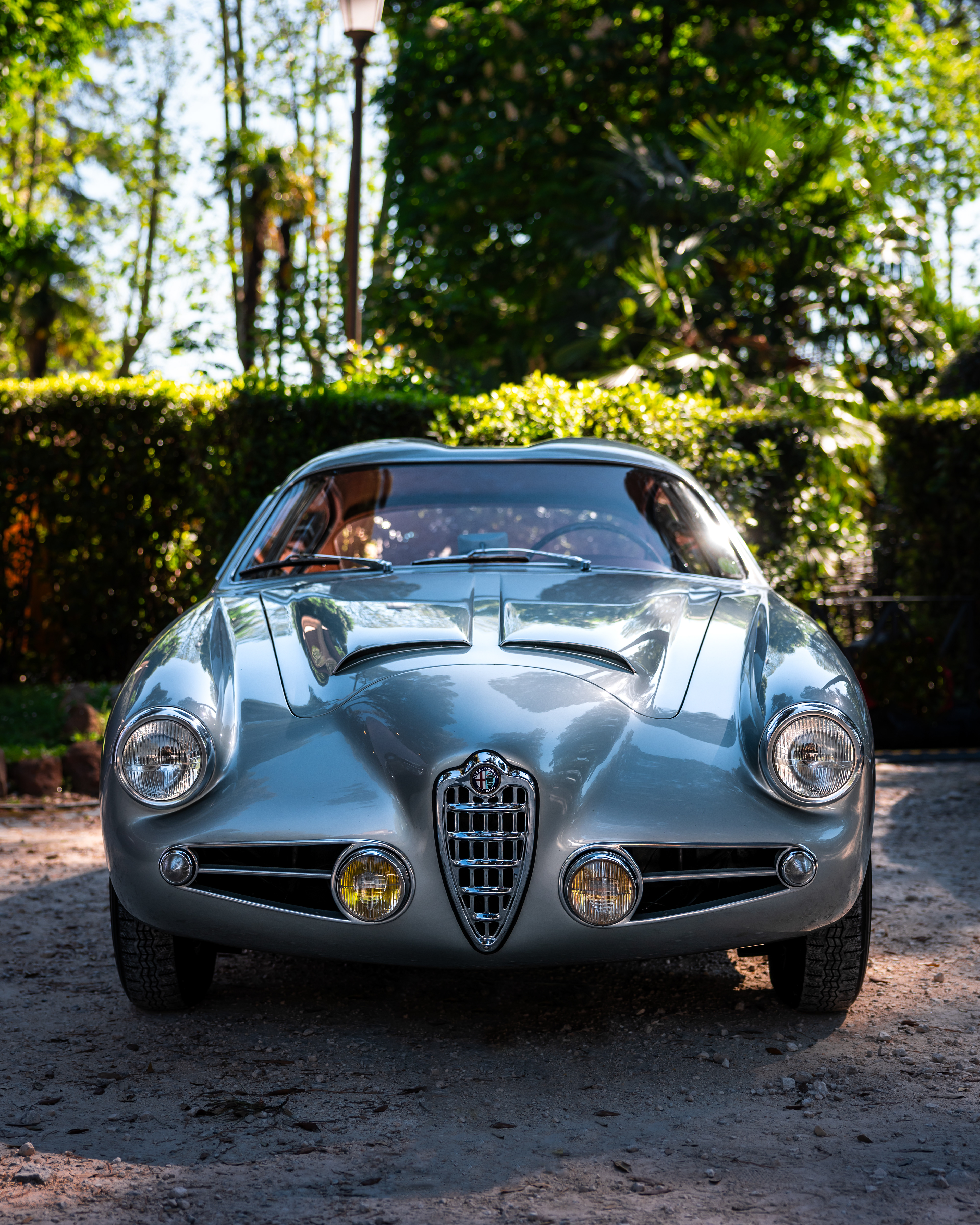
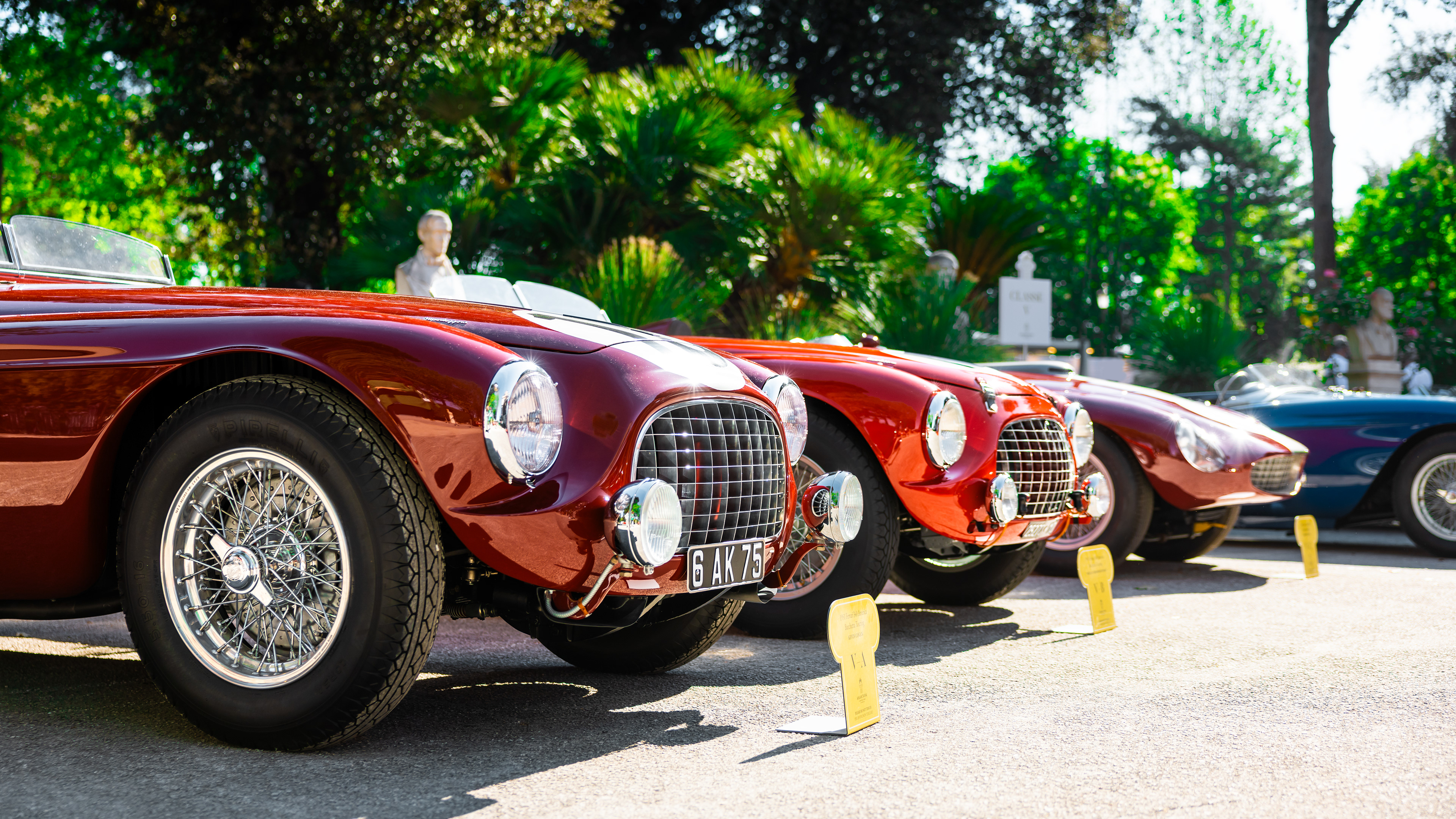
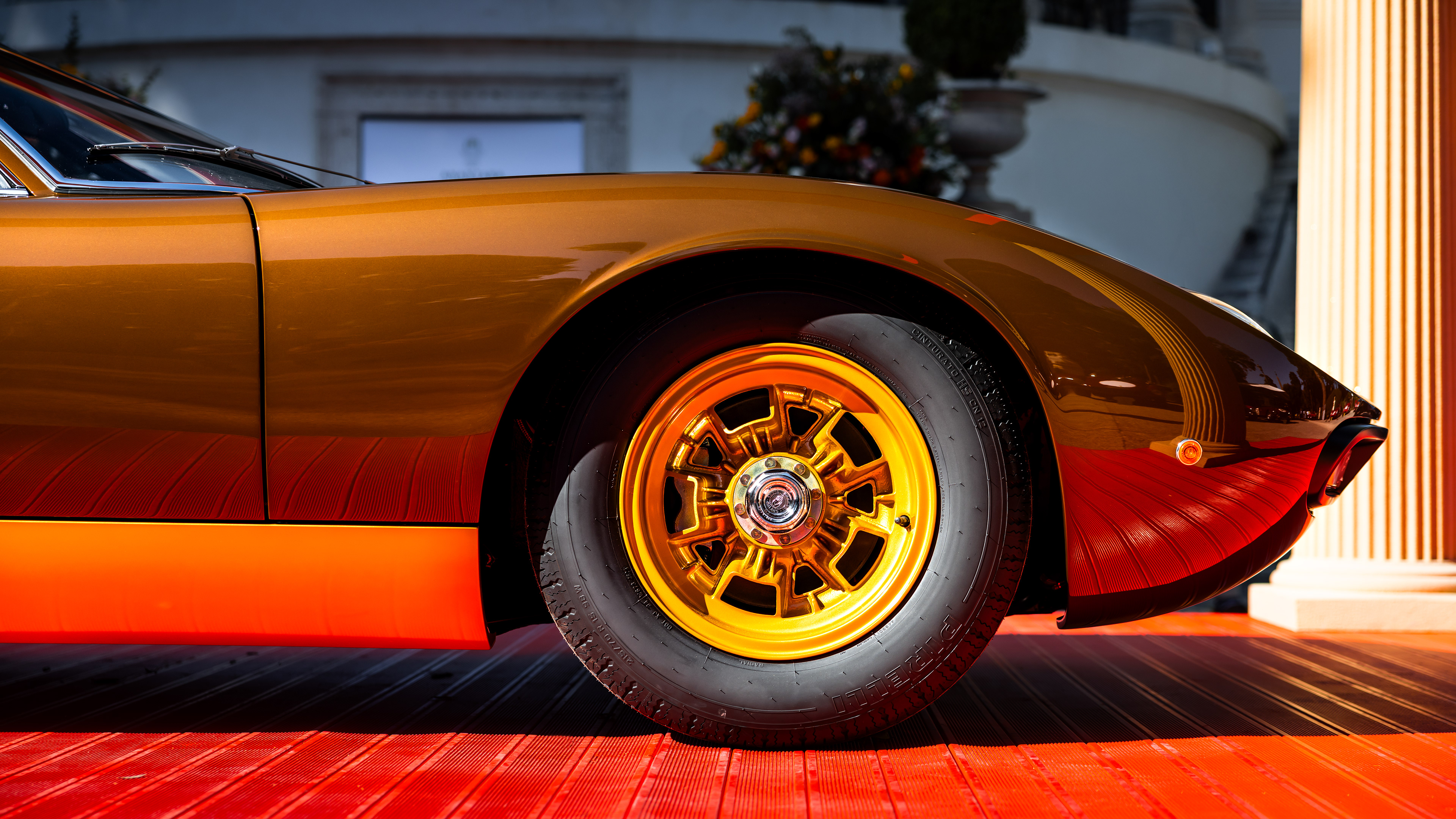
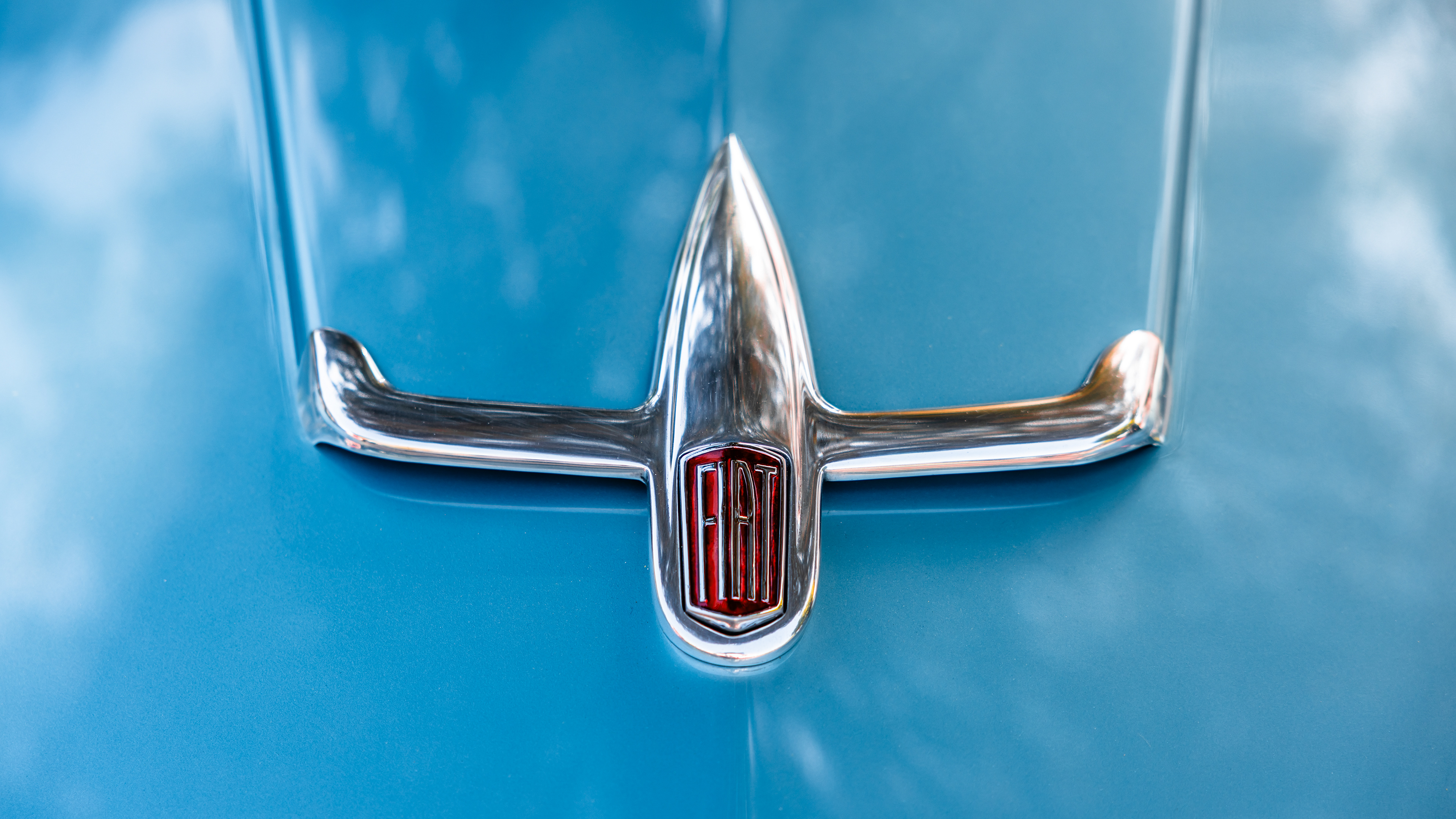
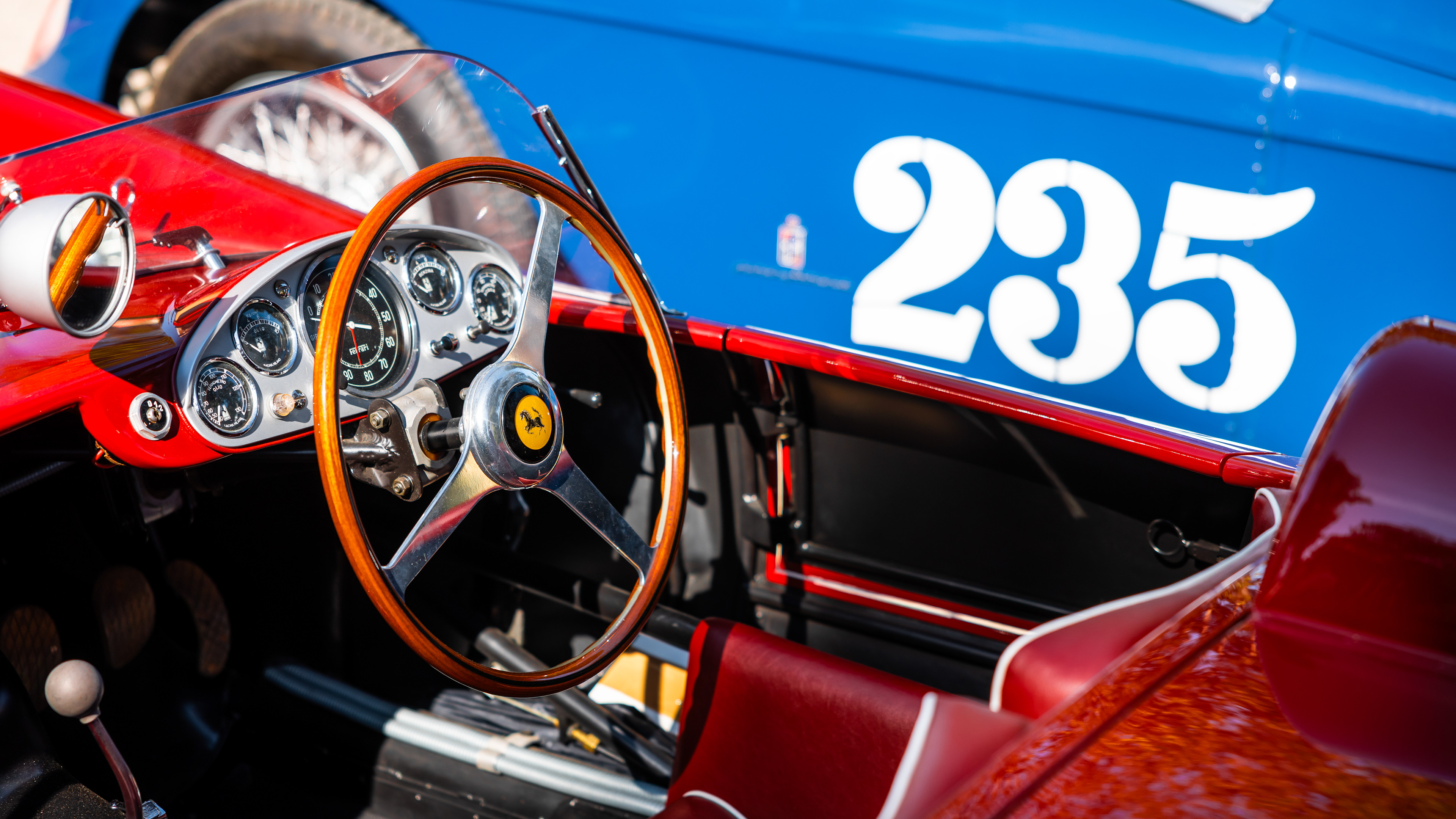
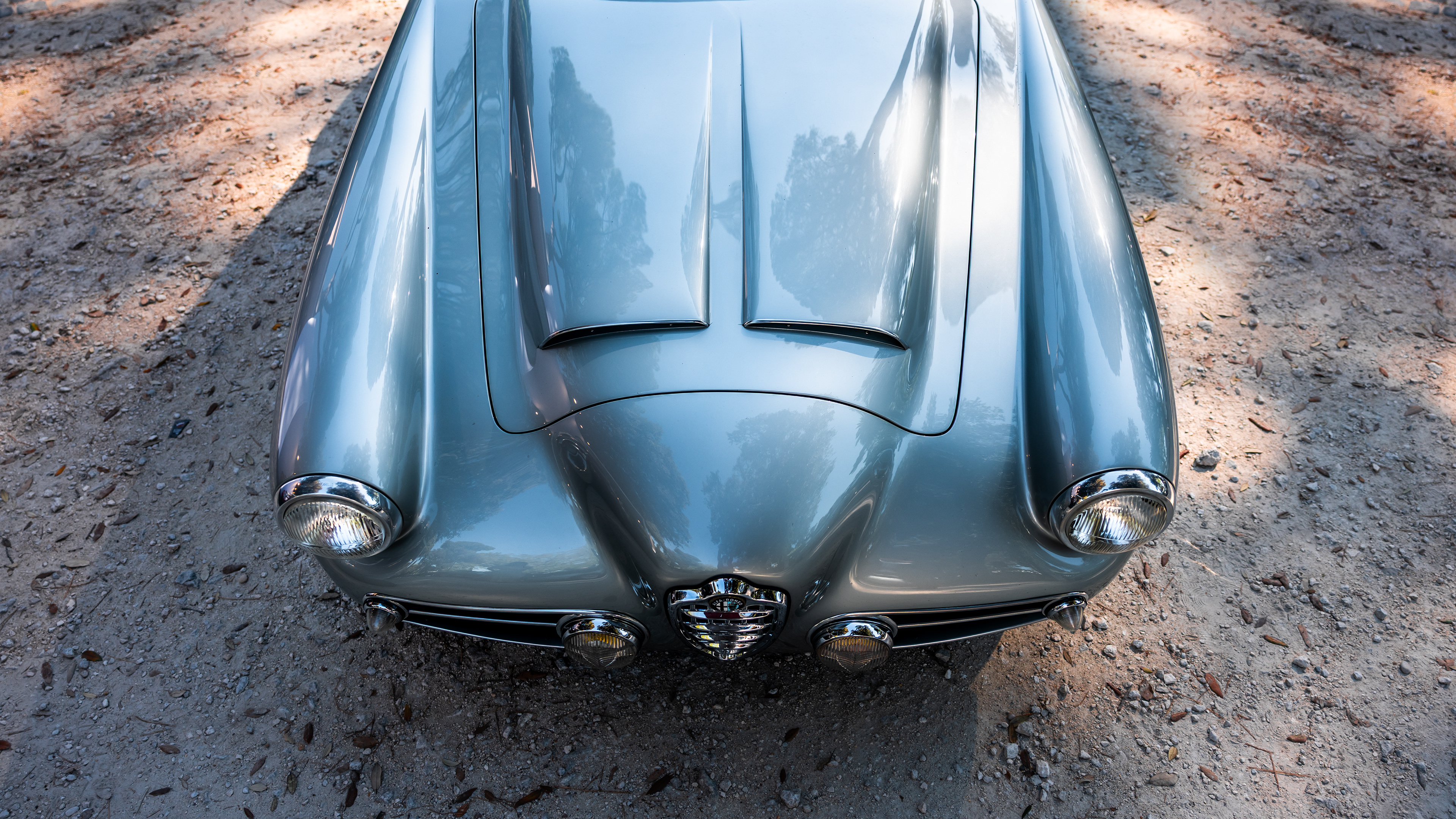
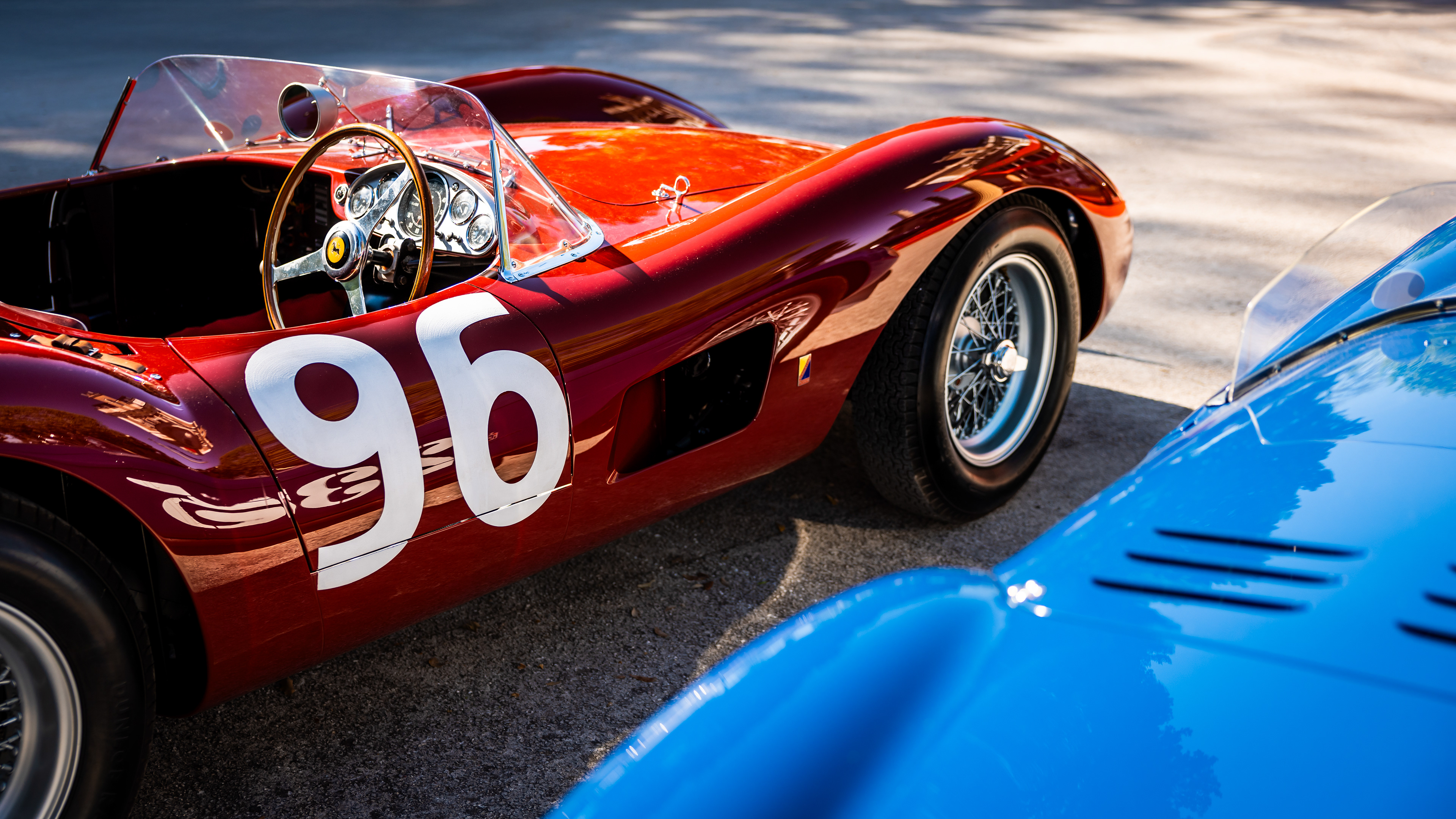
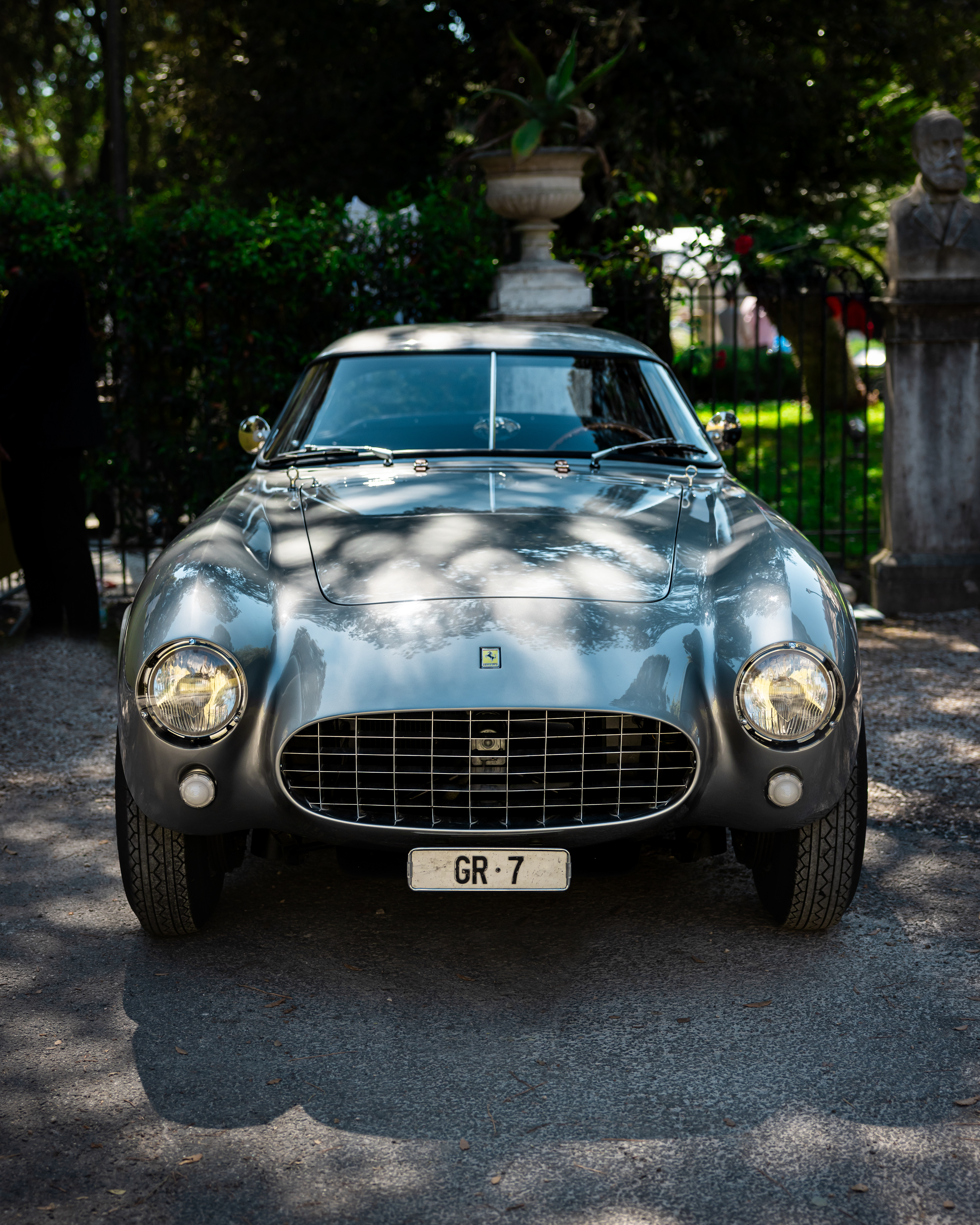
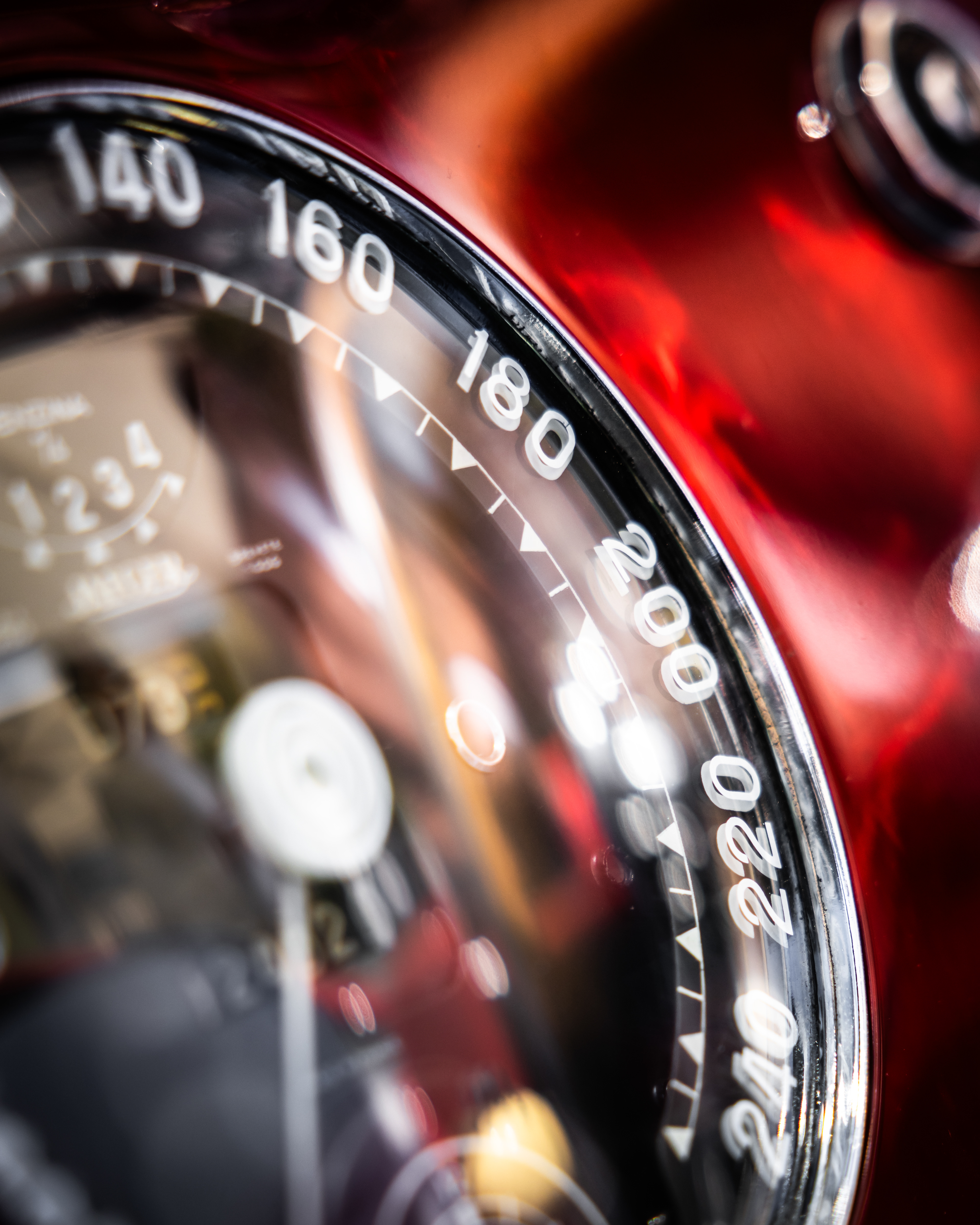
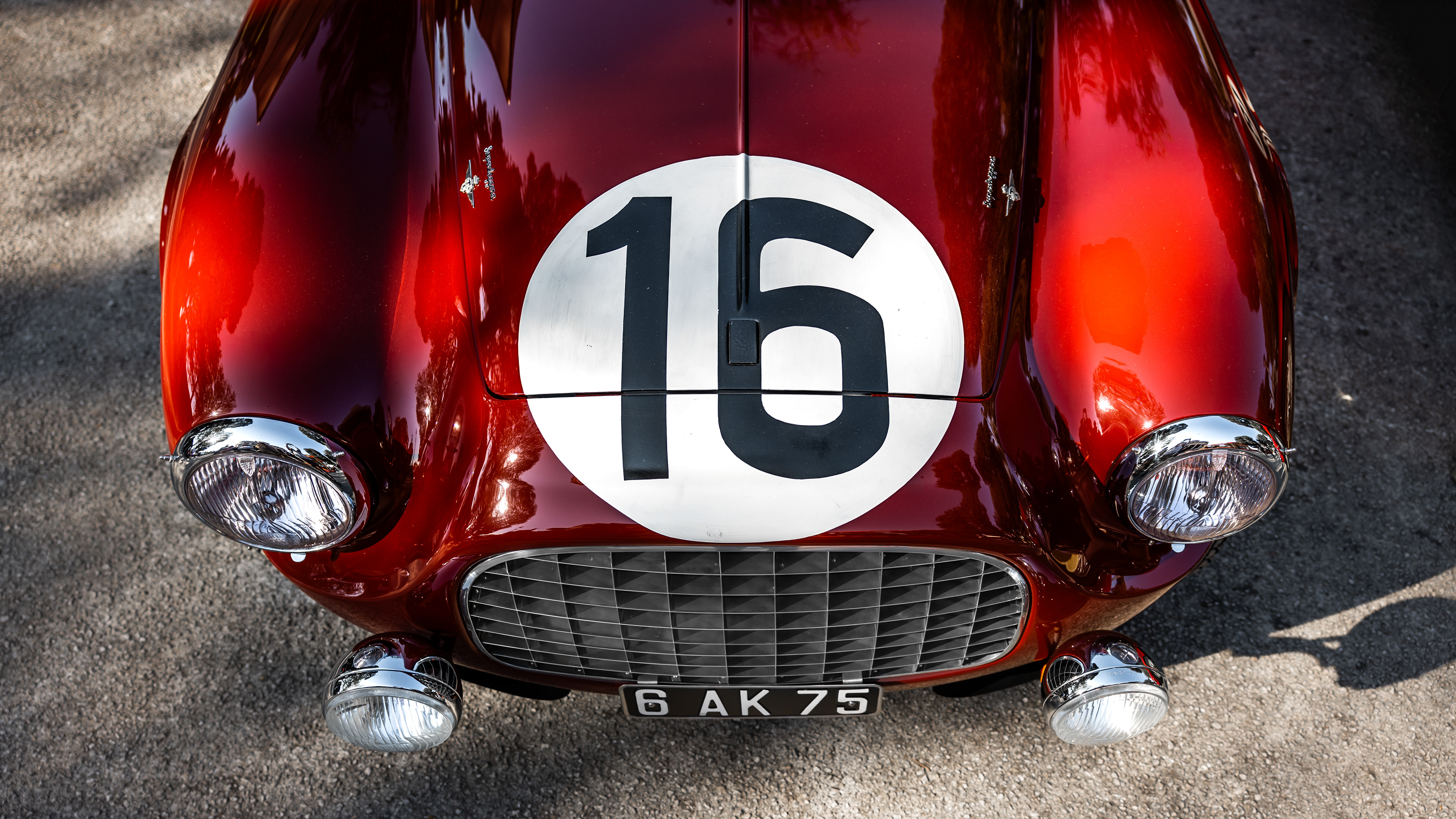
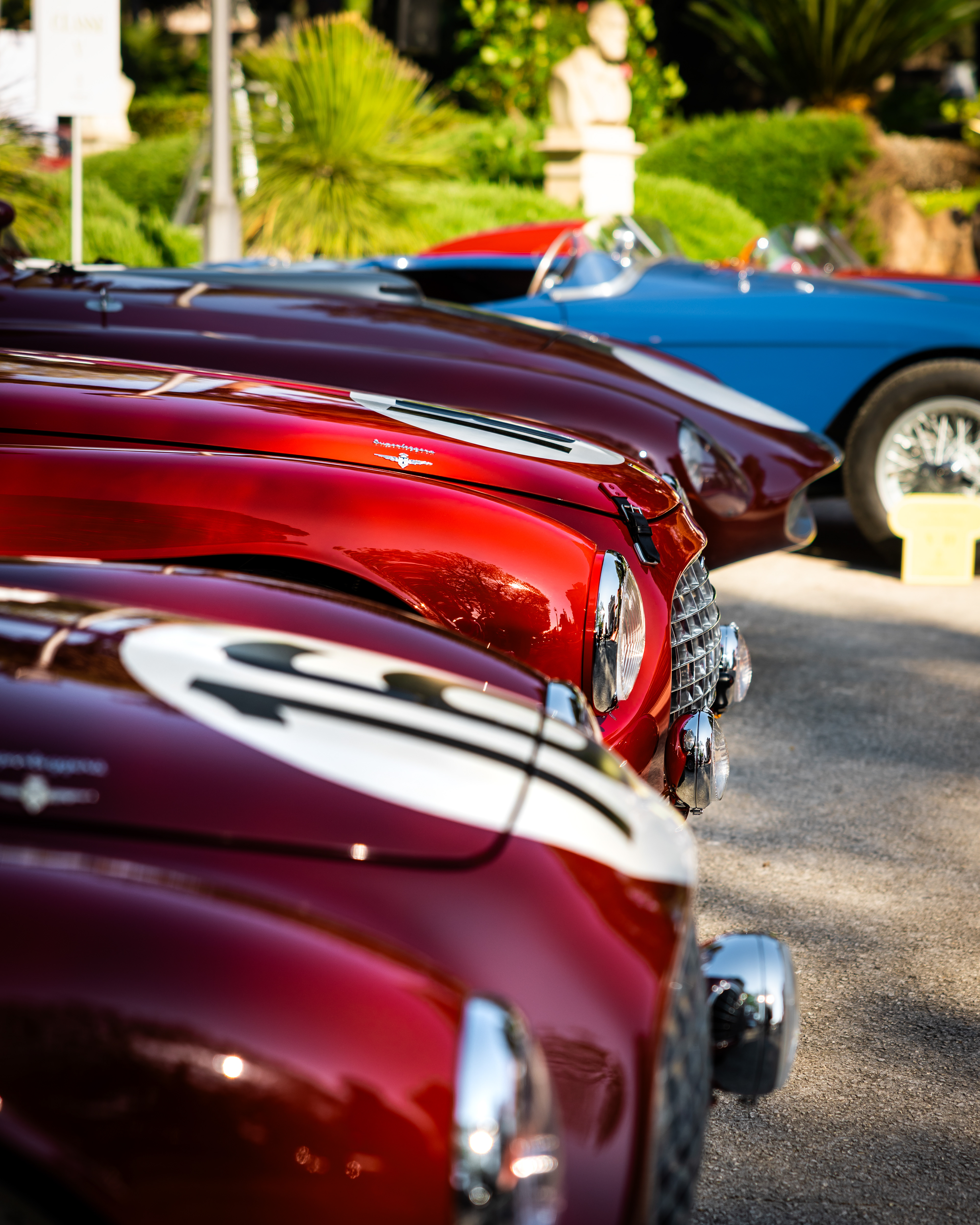
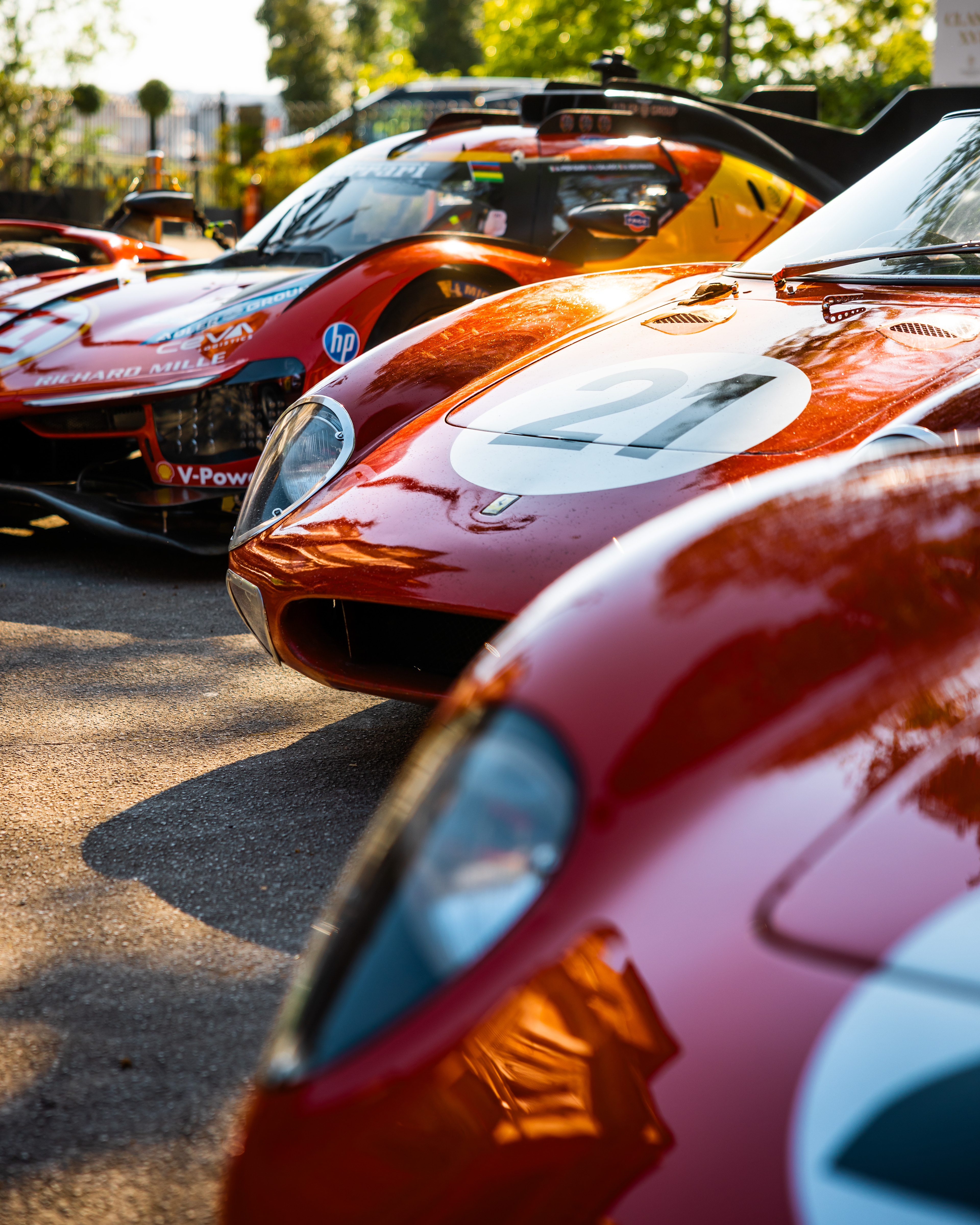
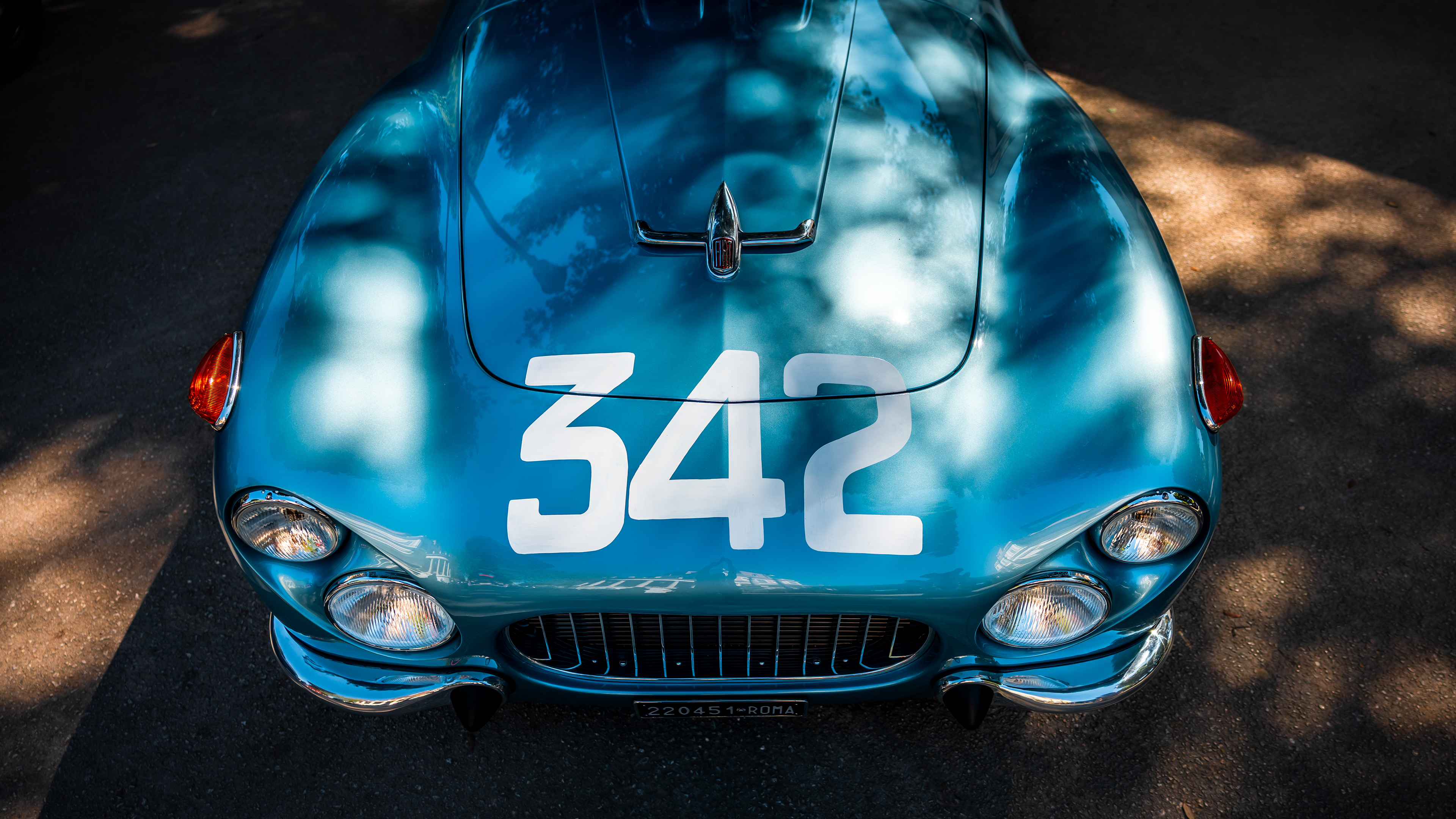
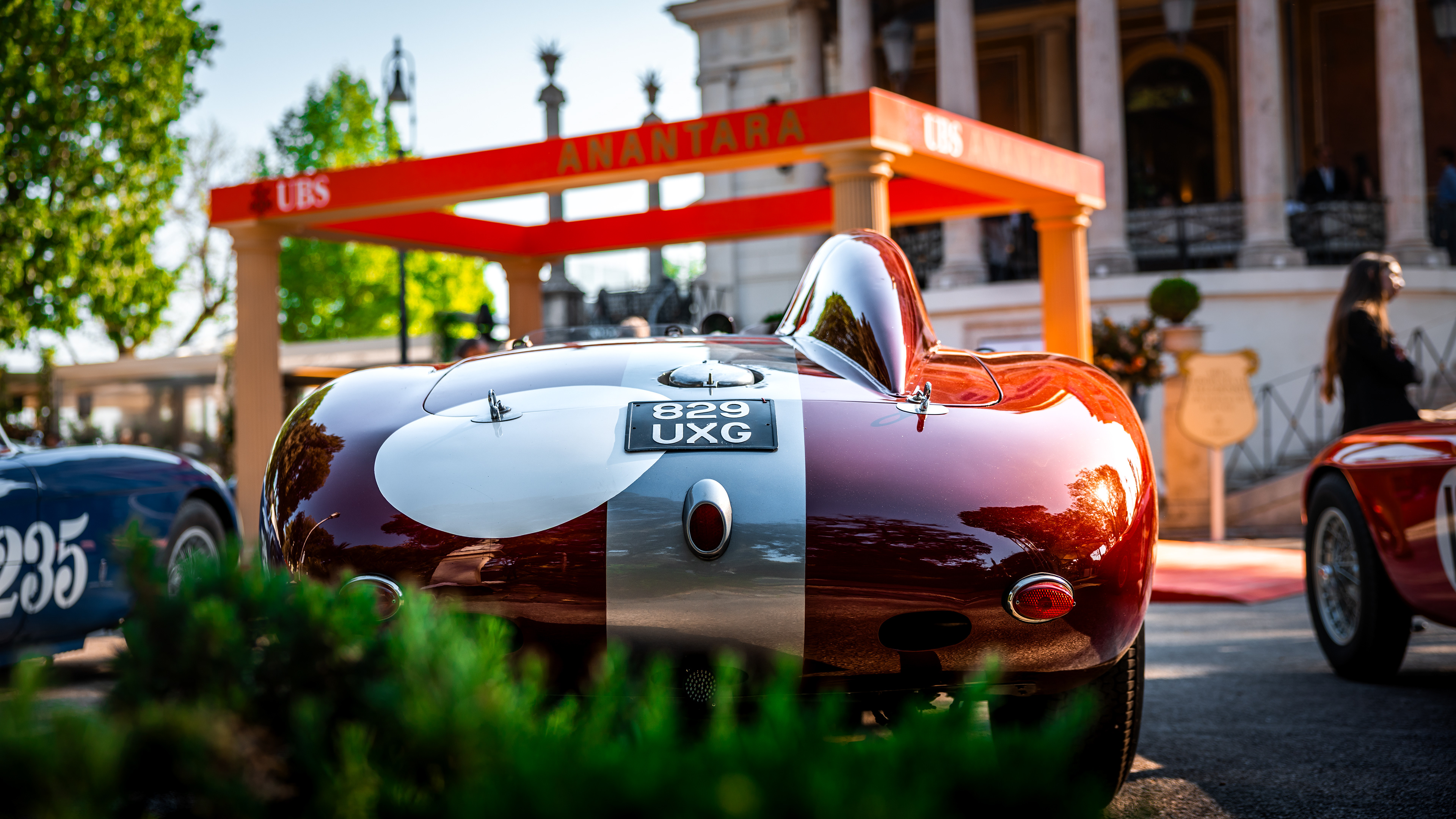
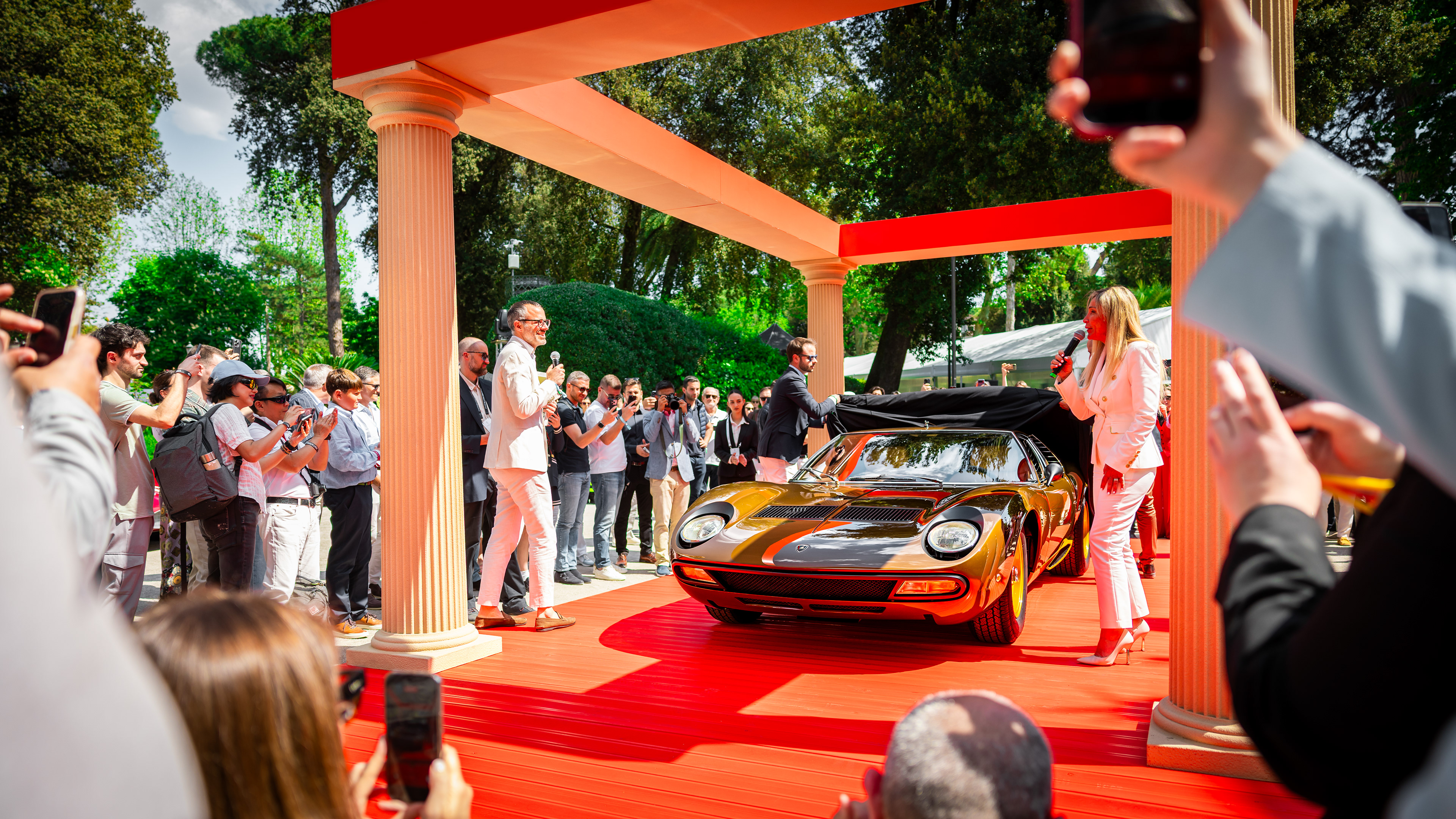
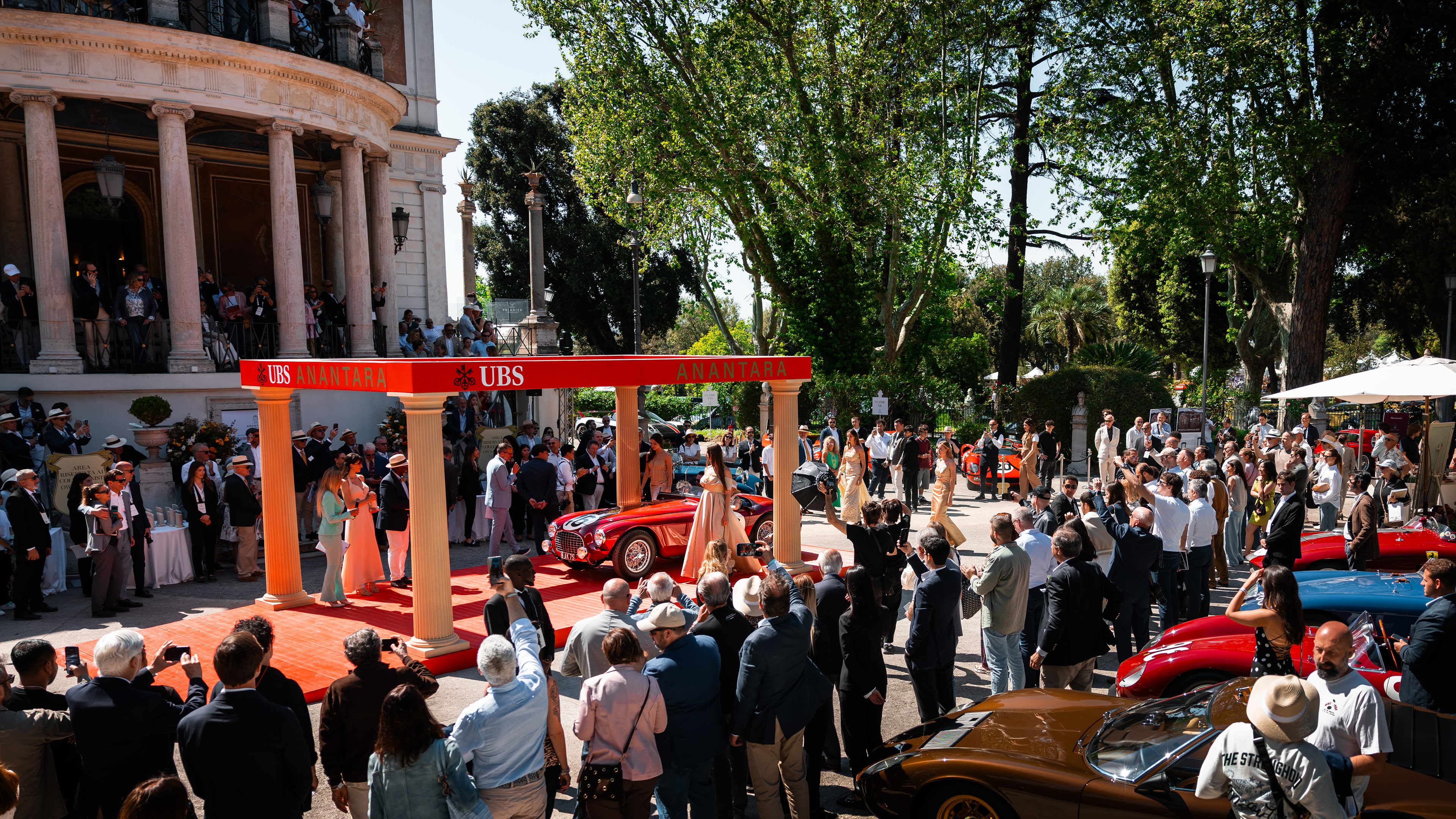
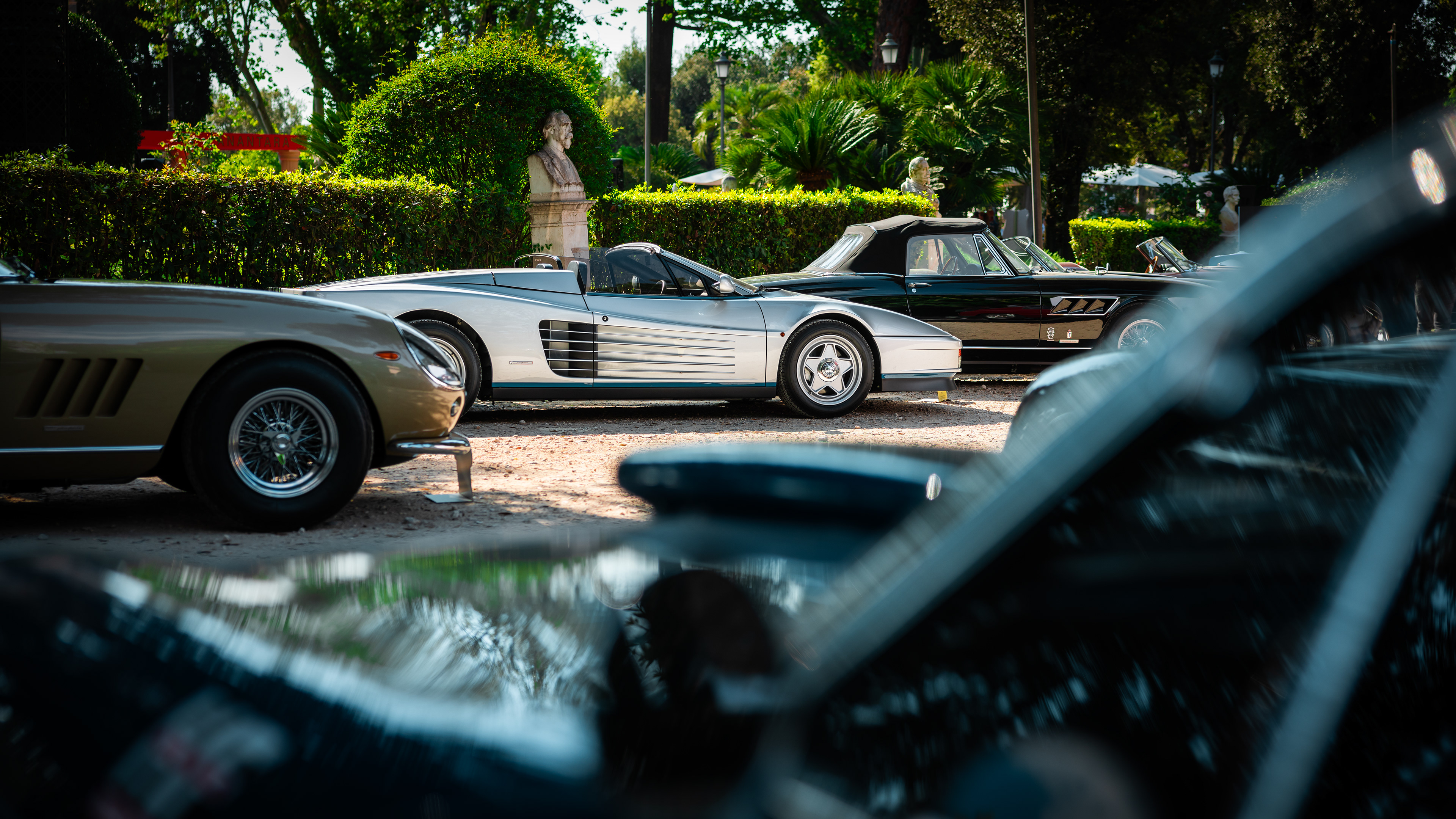
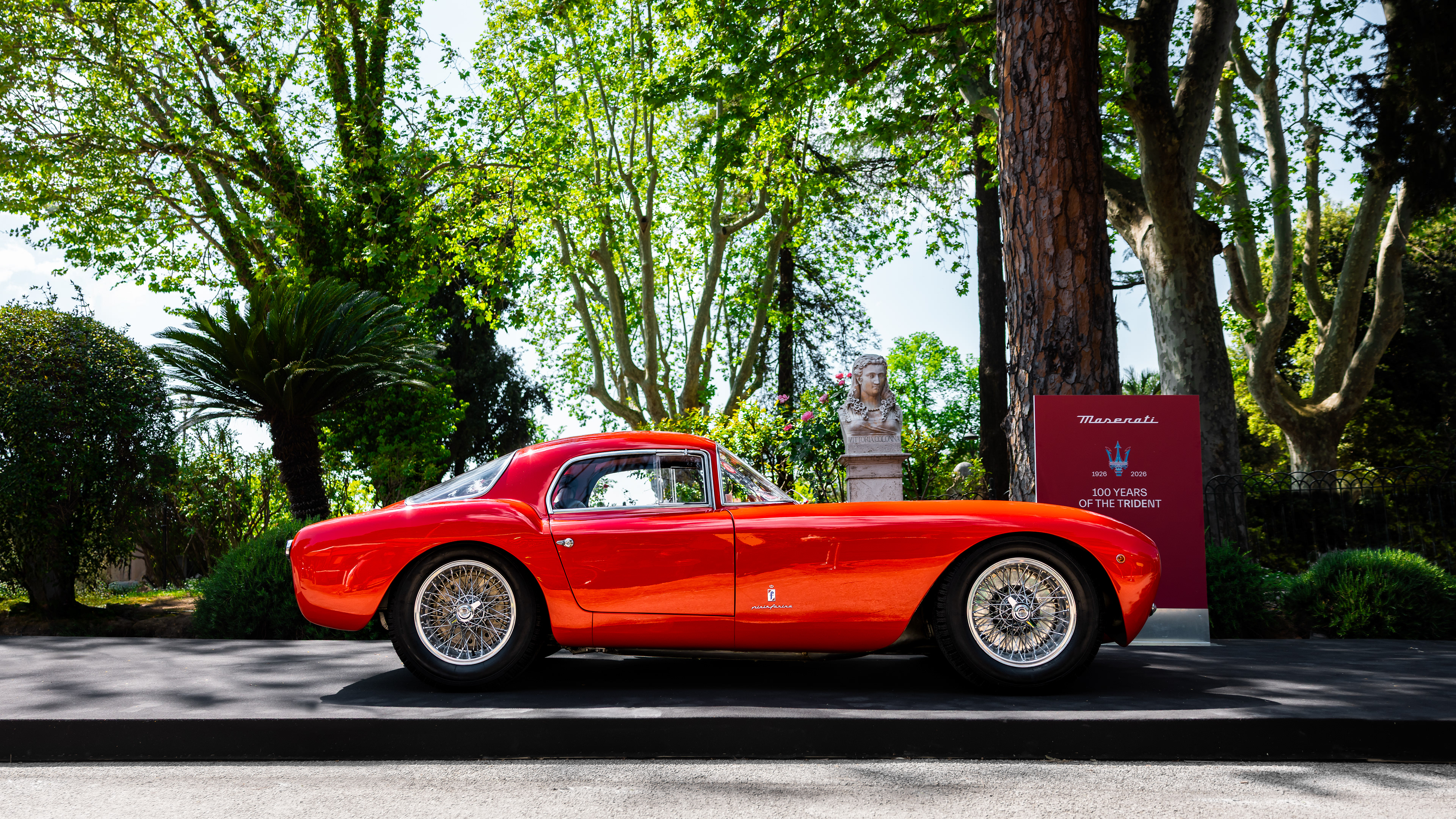
For this first edition, at any rate, the highlight was undoubtedly the line-up on display: 70 all-Italian cars, spanning over 100 years of motoring, some of them have crossed seas and oceans to join us, A true spectacle of shapes and colours, unique bodywork, racing cars, pieces of history – a real delight for the eyes (and the ears, of course!)
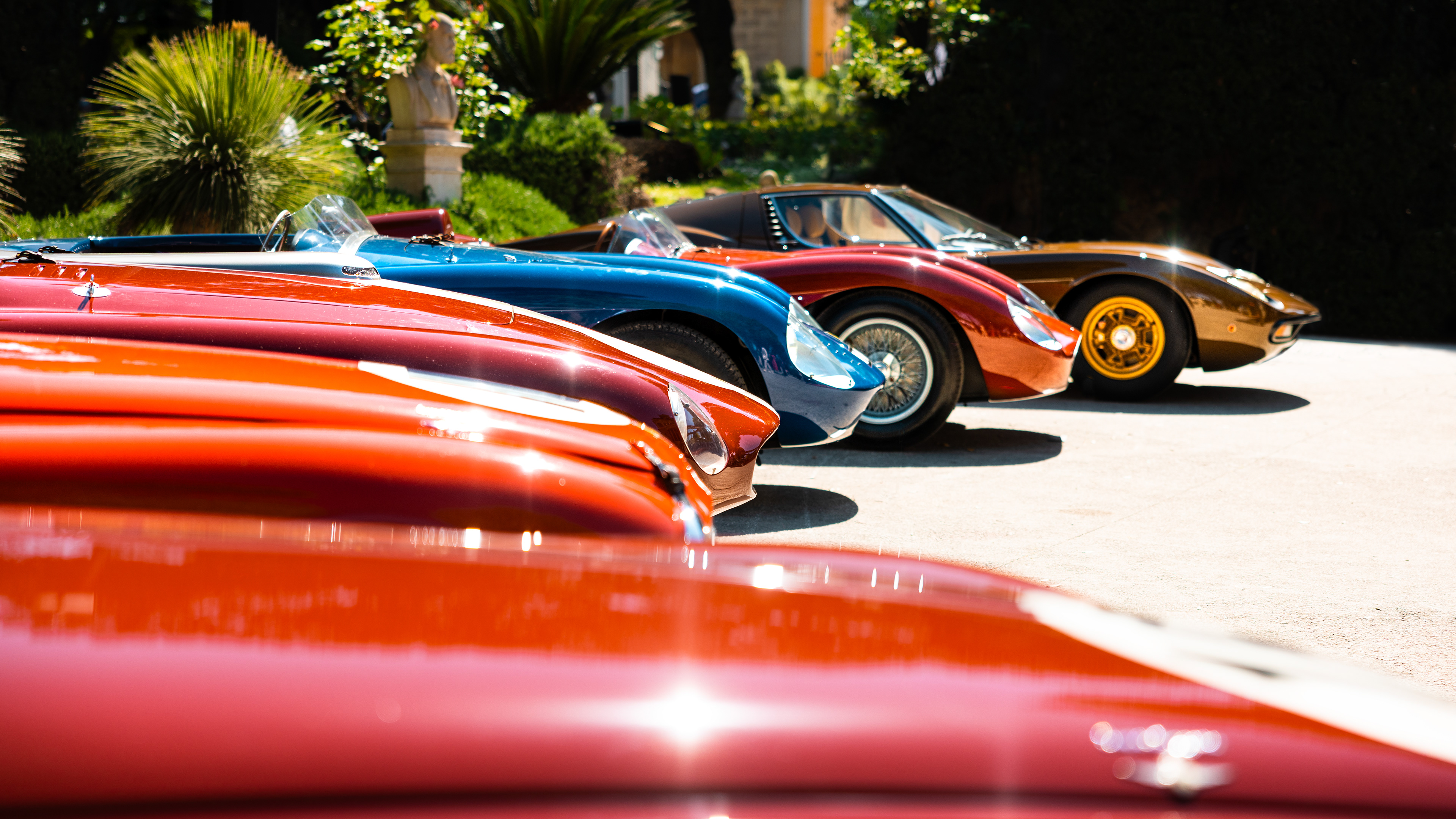
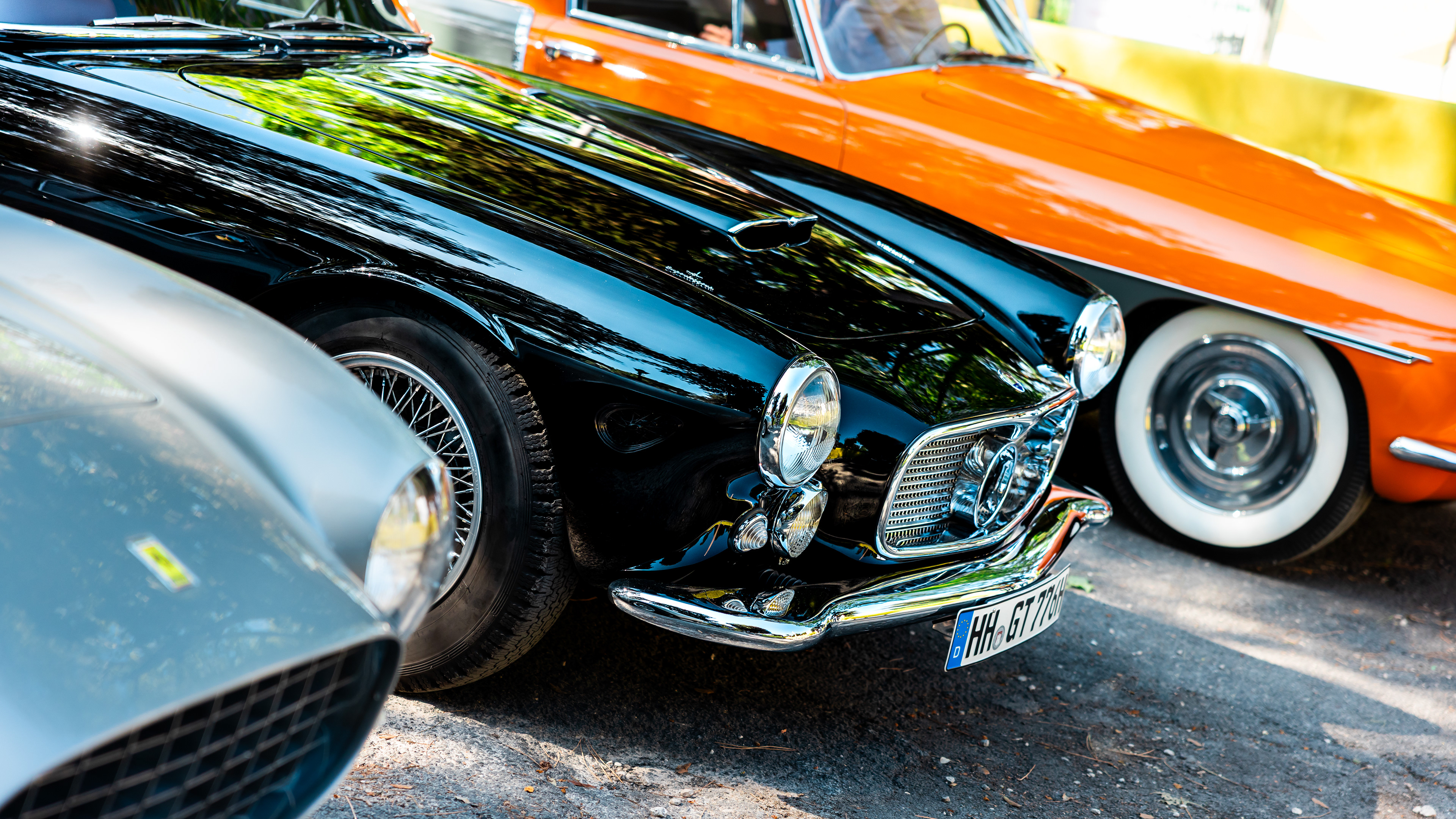
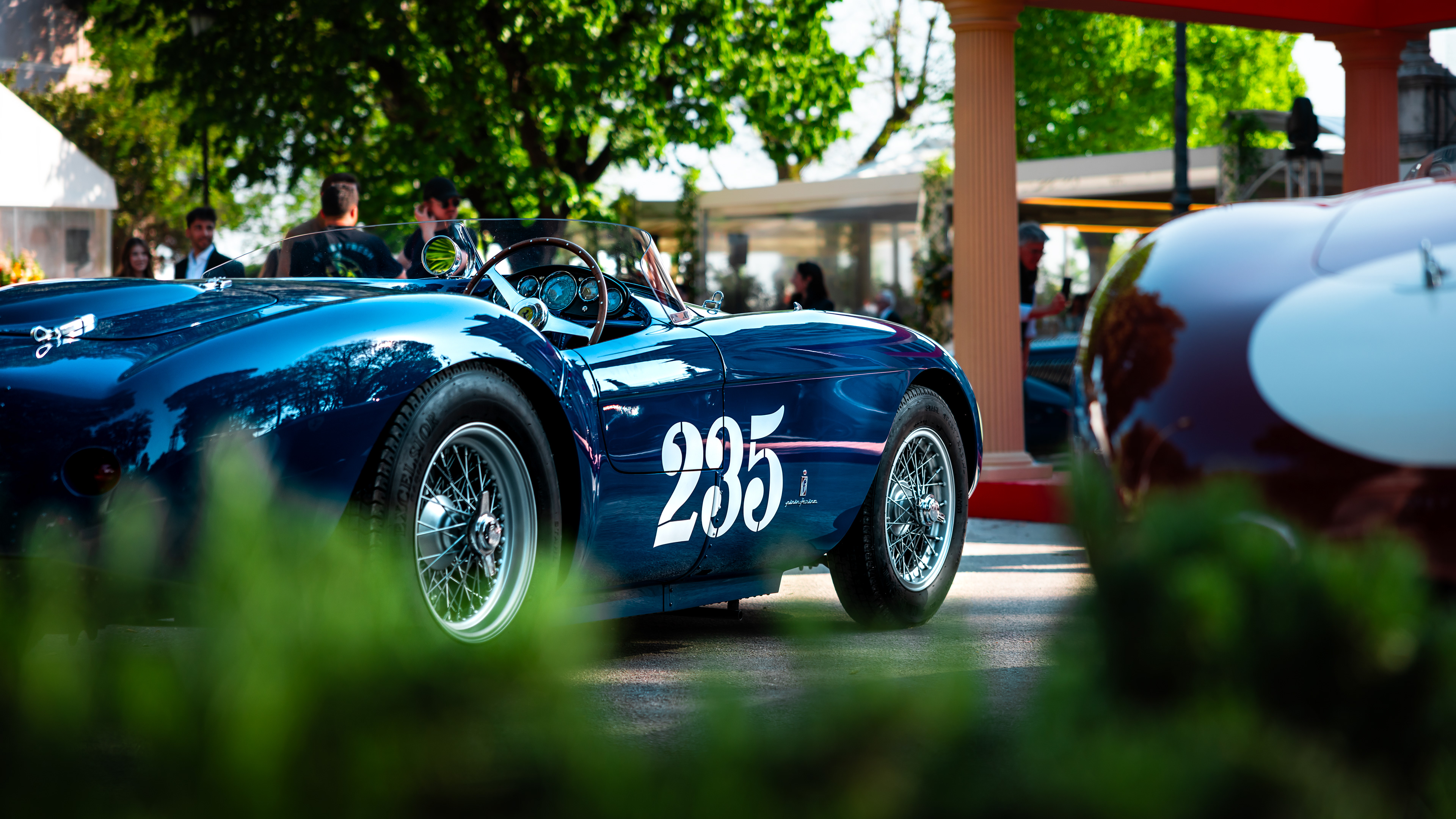
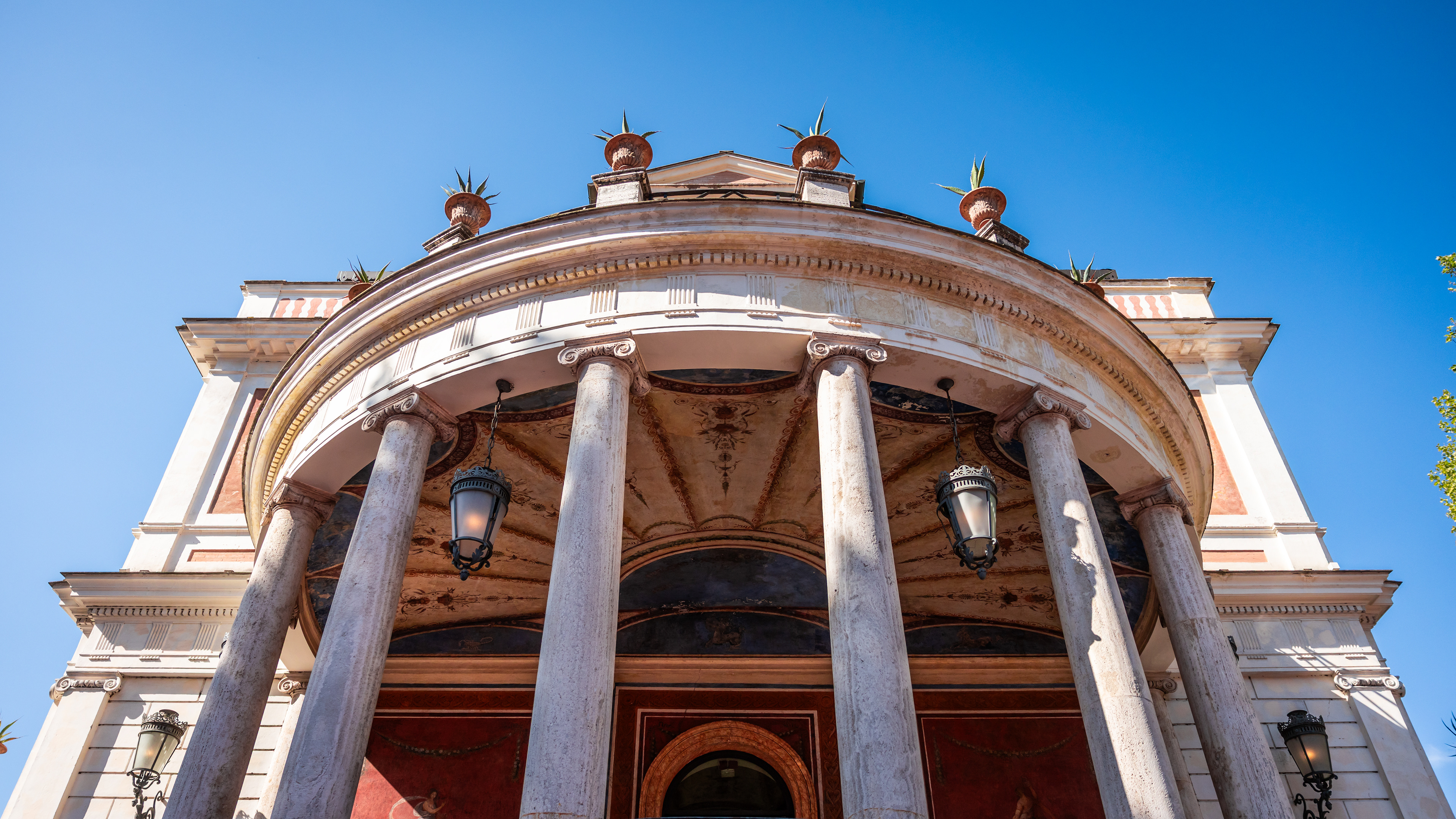
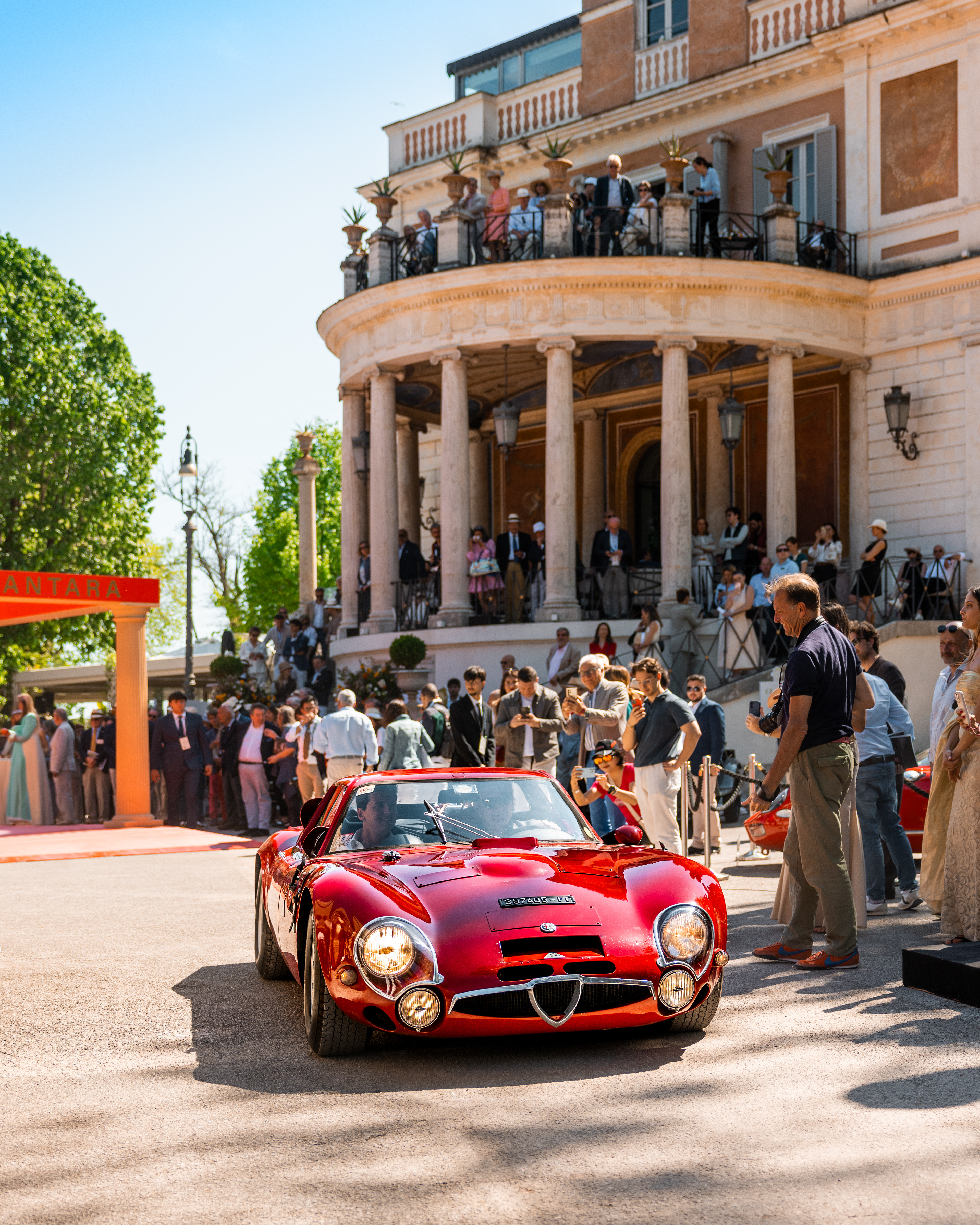
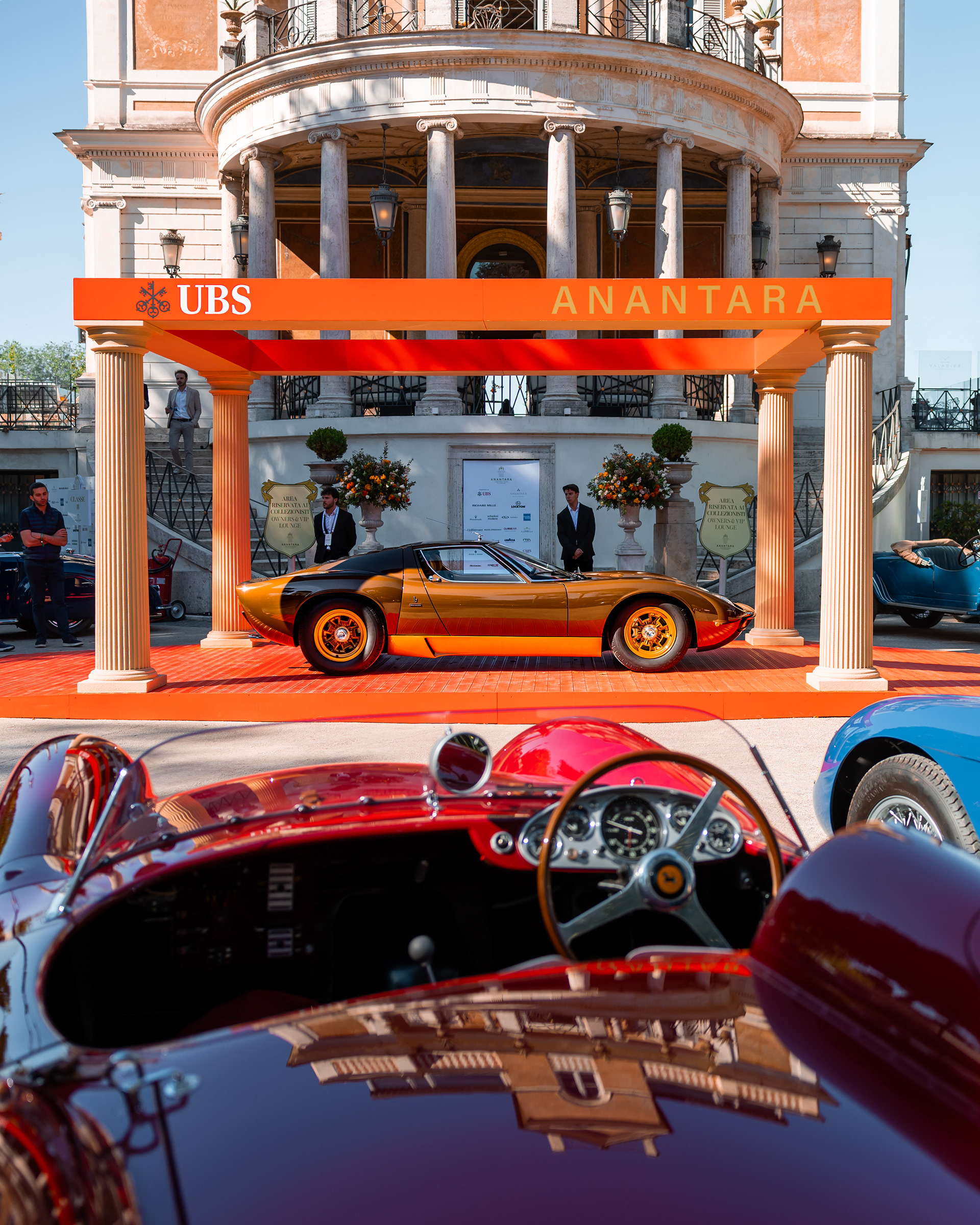
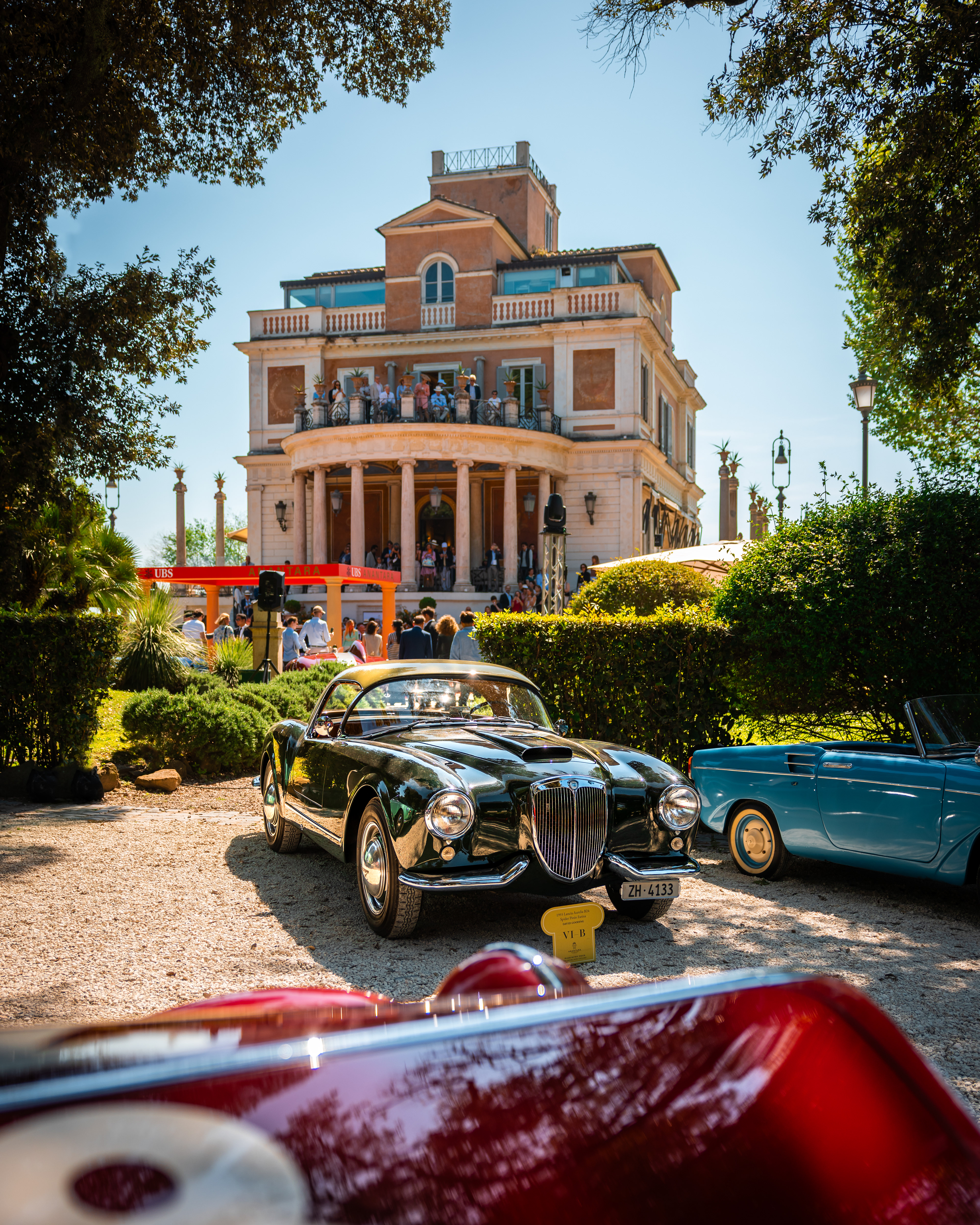
On the other hand, one of the criticisms made about this first edition was that the location was not entirely suitable, mainly because it was too small. Casina Valadier, situated in the magnificent Villa Borghese park, offers a unique view of Rome. However, the venue was a little too cramped to showcase 70 vehicles. The advantage is that all areas of the event are easily accessible; however, the combination of limited space and large crowds made it difficult to capture key moments and even to fully appreciate the cars on display. Not to mention the layer of dust that settled on the vehicles on the second day.
To do justice to an event that aims to rival the very best, the ideal would be a larger venue that showcases the cars to better effect, thereby creating an even more unique memory of the Italian capital’s Concours d’Élégance.
To do justice to an event that aims to rival the very best, the ideal would be a larger venue that showcases the cars to better effect, thereby creating an even more unique memory of the Italian capital’s Concours d’Élégance.
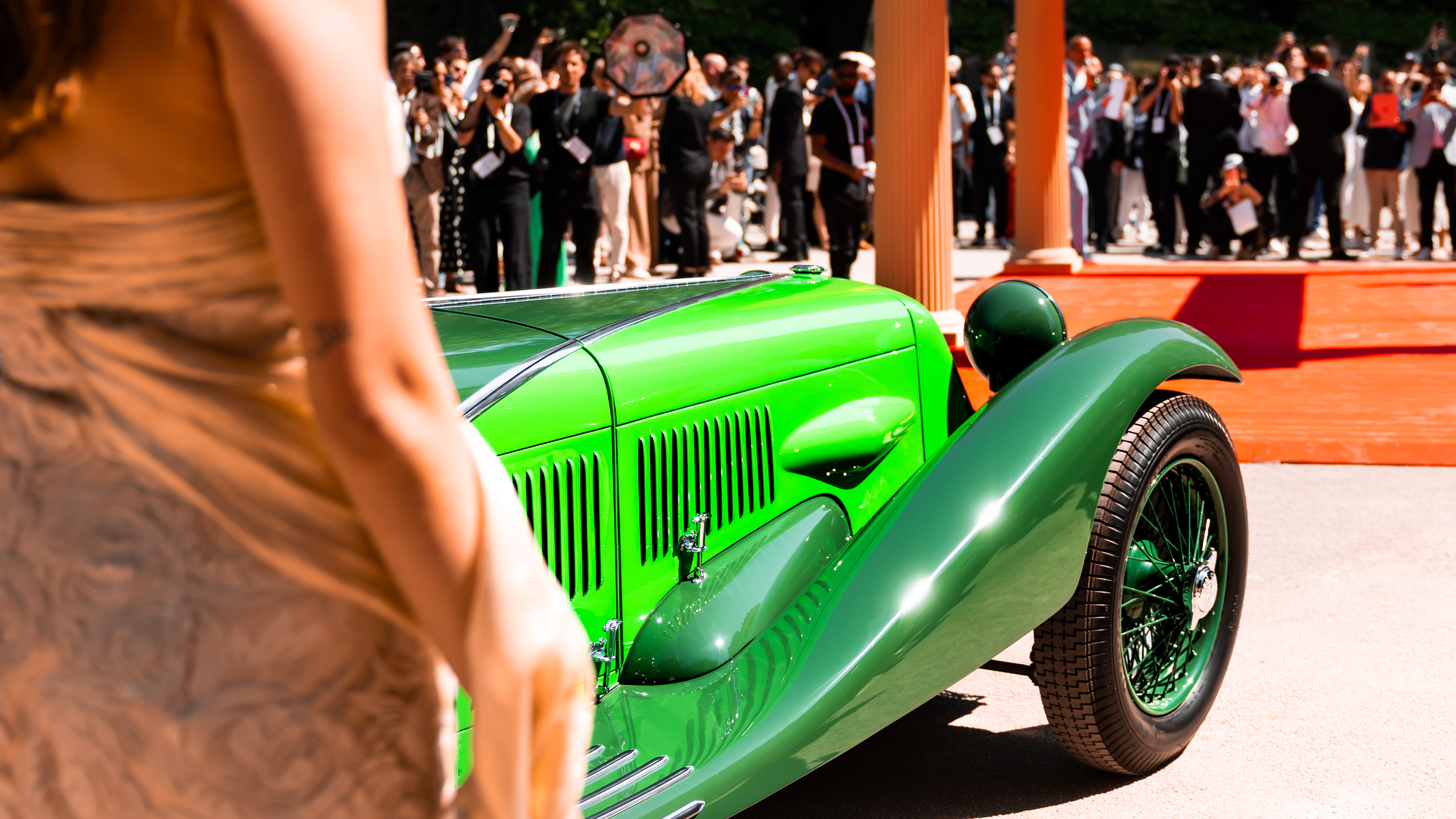
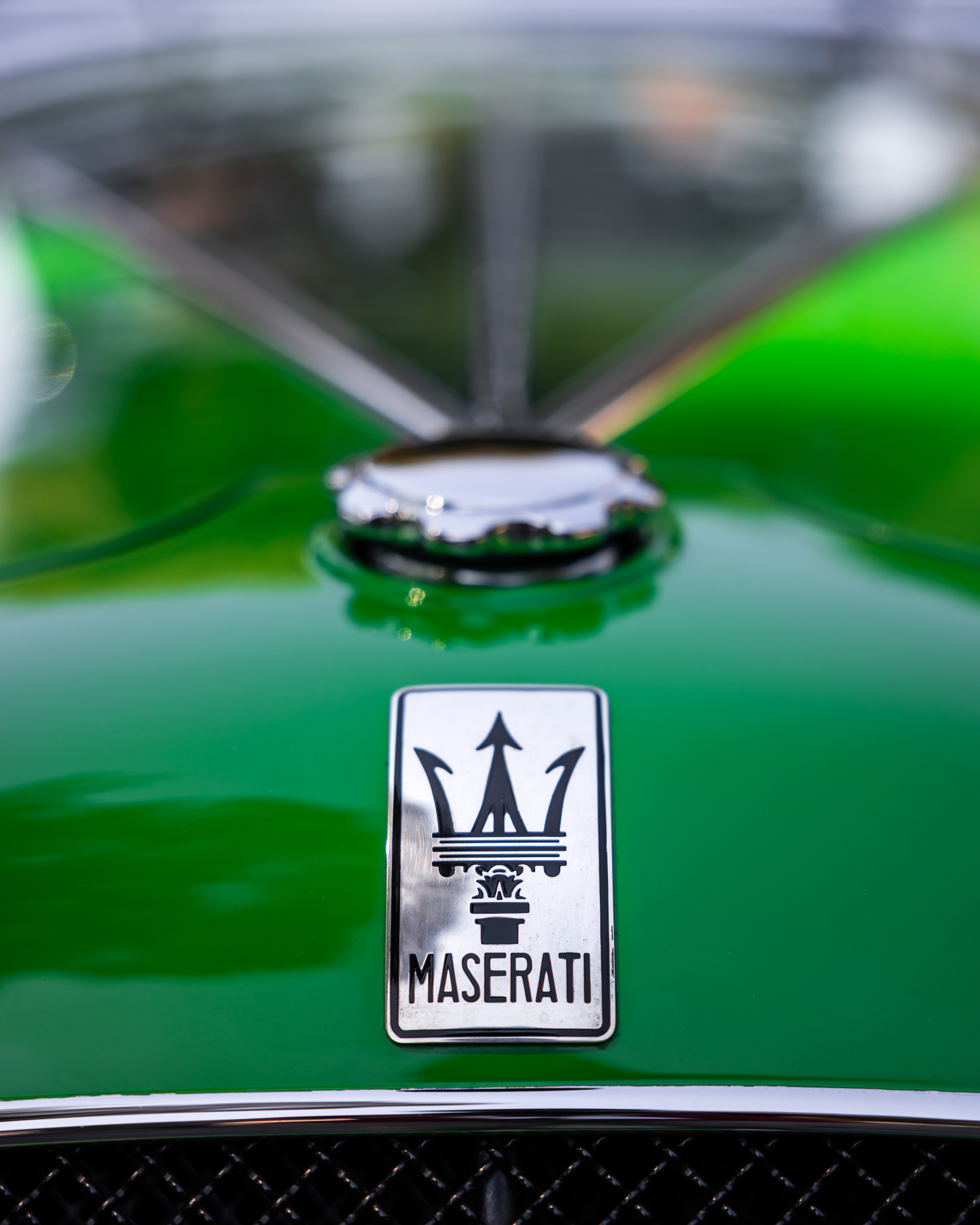
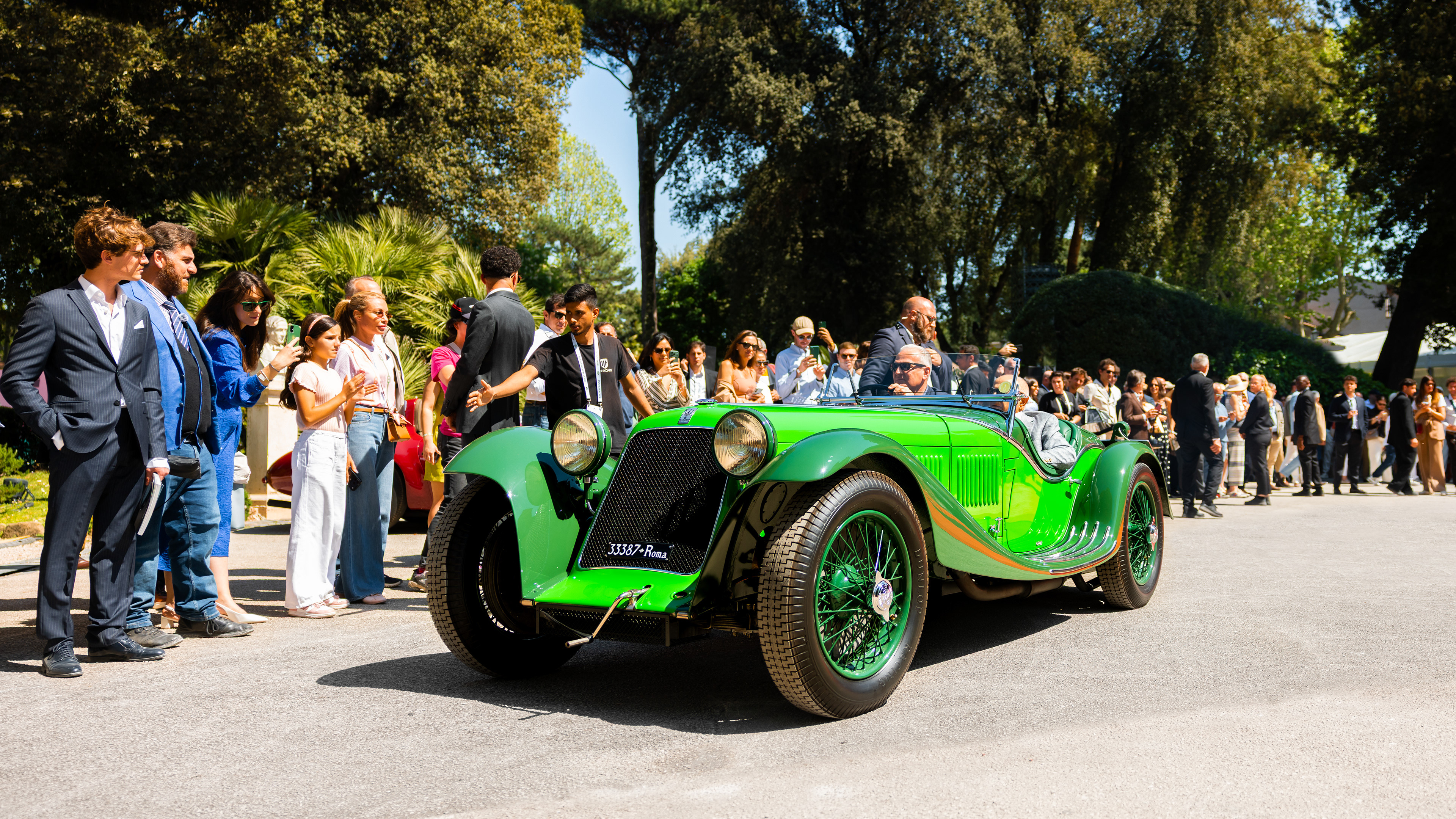
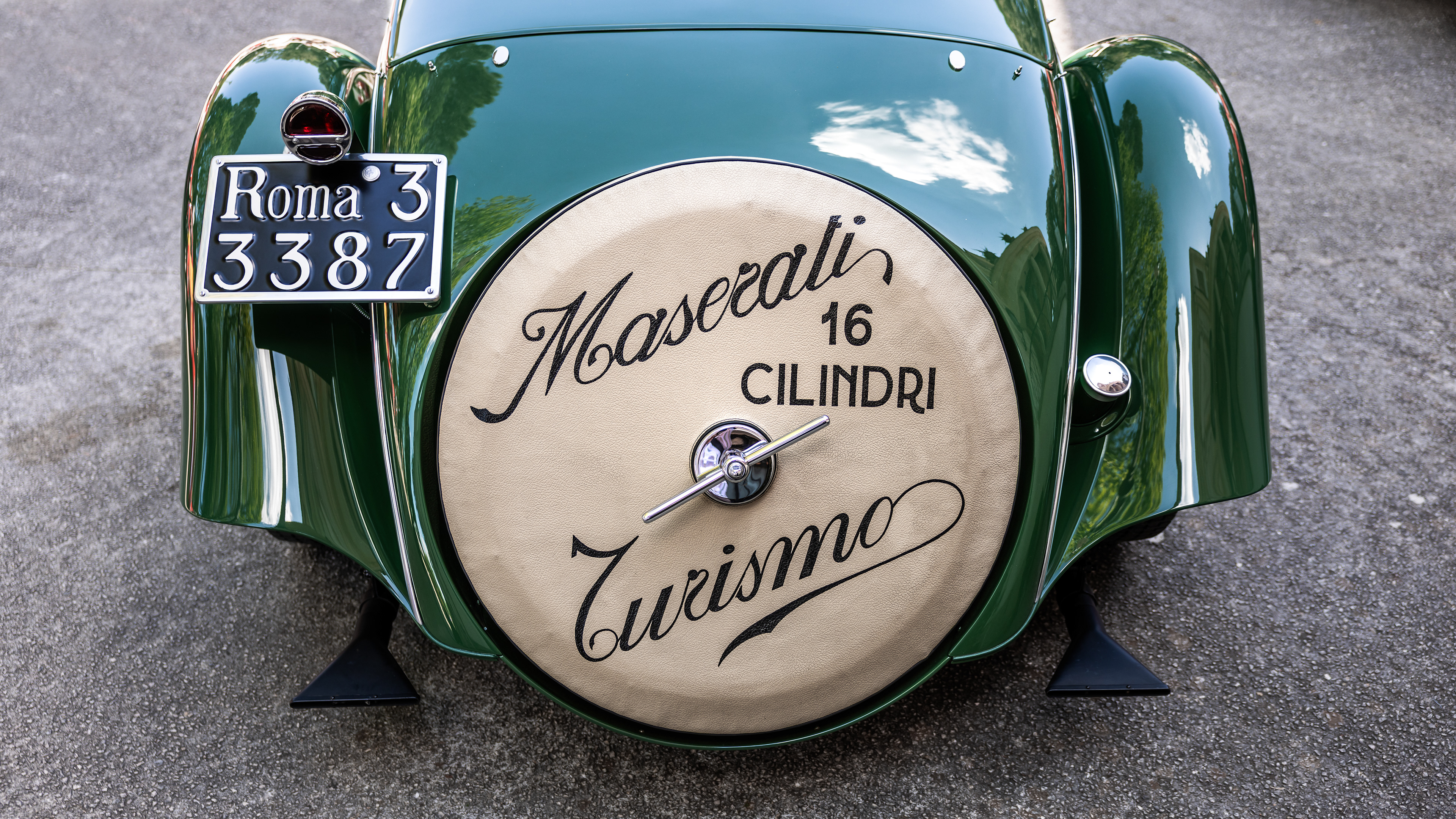
The best of show went to the 1932 Maserati V4 Sport Zagato. One of only two ever built, known as "The Sixteen Cylinder", this Maserati features a 4-litre 16-cylinder engine created by coupling two inline eight-cylinders derived from the Tipo 26B. On 28 September 1929, Borzacchini set the world speed record over 10 km at Cremona, averaging over 246 km/h on an unpaved straight. The V4 became the car to beat, giving Maserati its first international Grand Prix victory at Tripoli in 1930, repeated by Ernesto Maserati at the Gran Premio Reale di Roma in 1931. Three years later, Zagato rebodied it as a roadster in a distinctive two-tone green, giving it the silhouette it wears today. Its wartime story is equally remarkable: a Dutch owner named Erik Verkade dismantled the car after the German invasion and hid the V16 engine in his bedroom for five years, keeping it safe until the war was over.
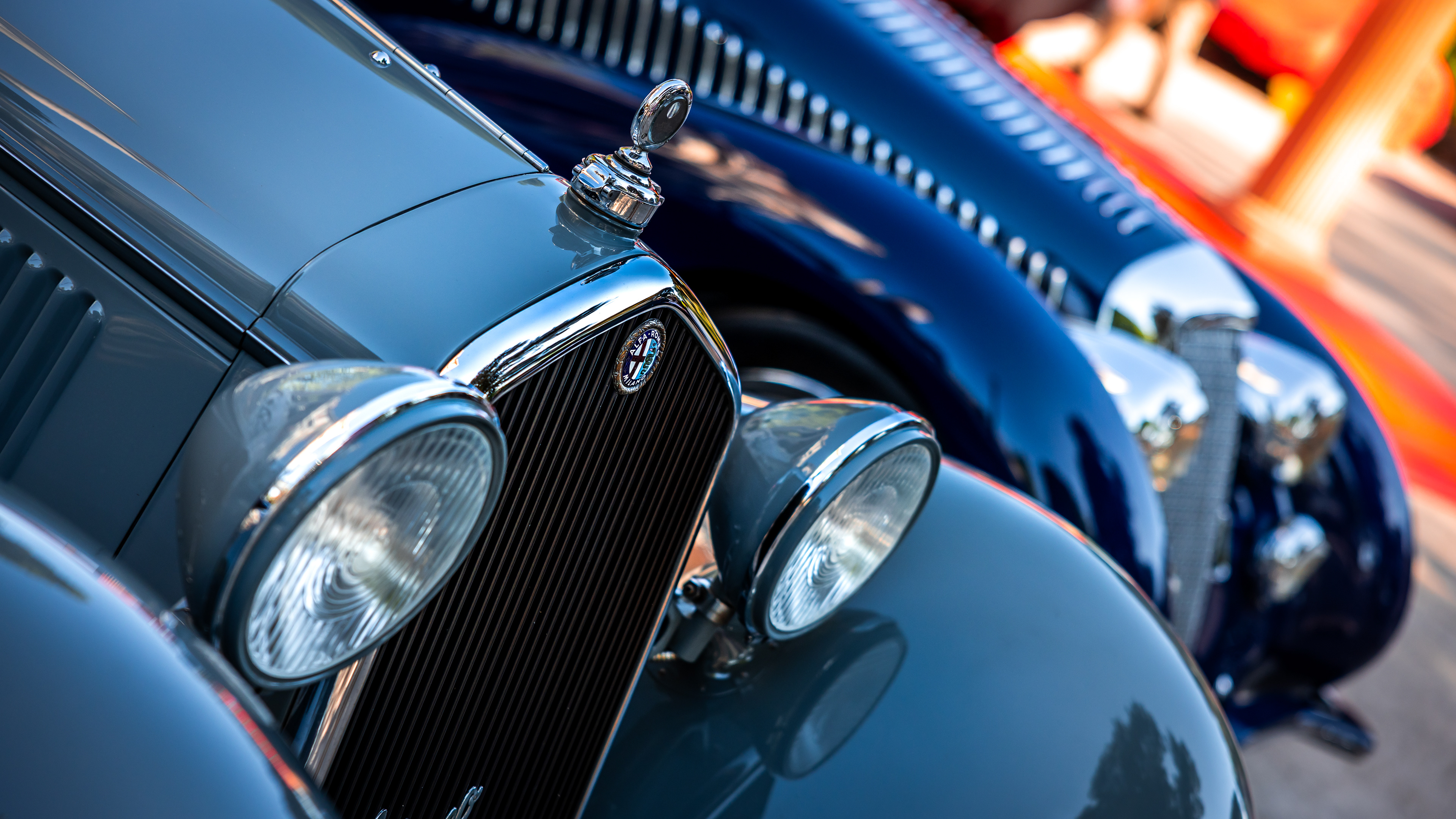
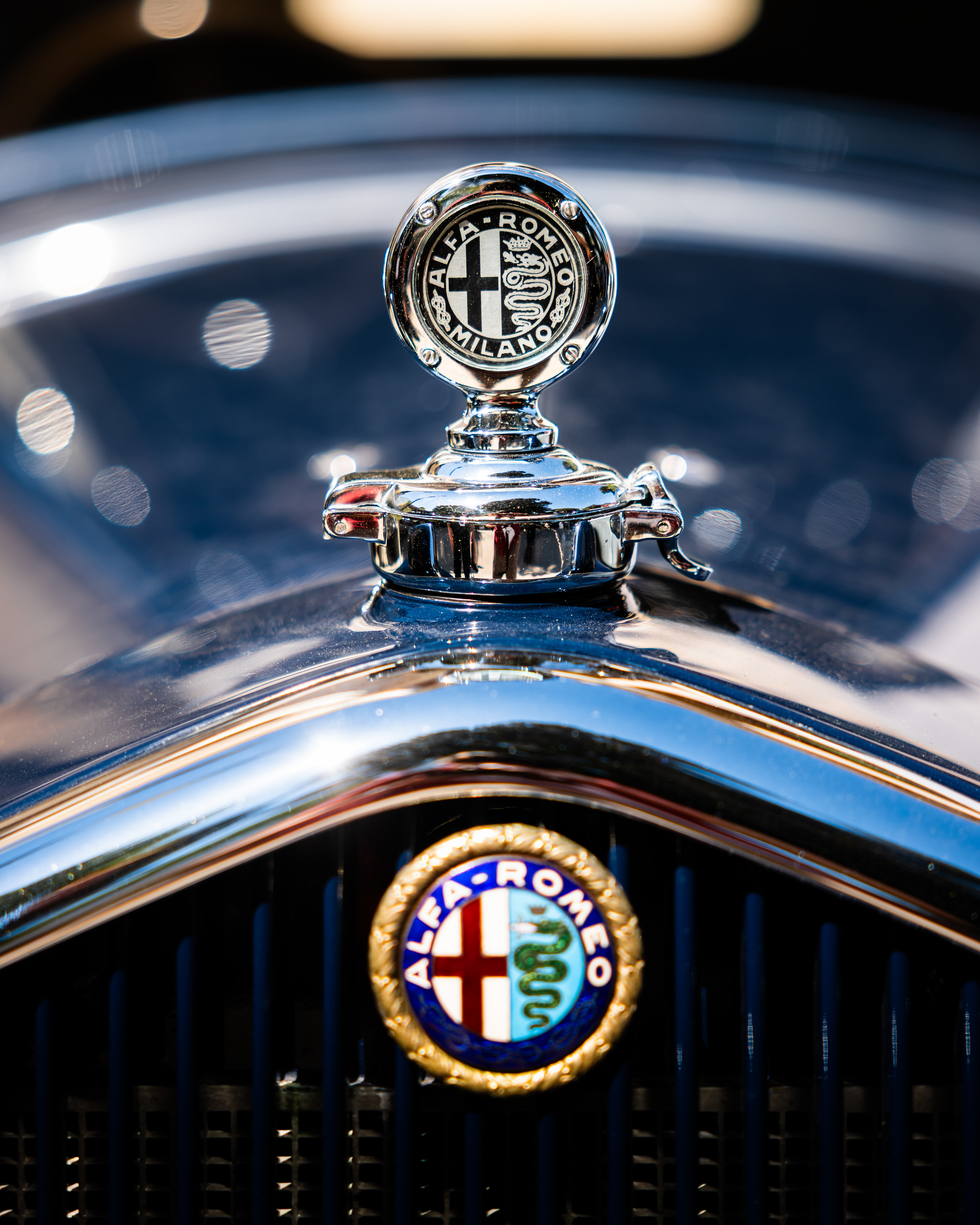
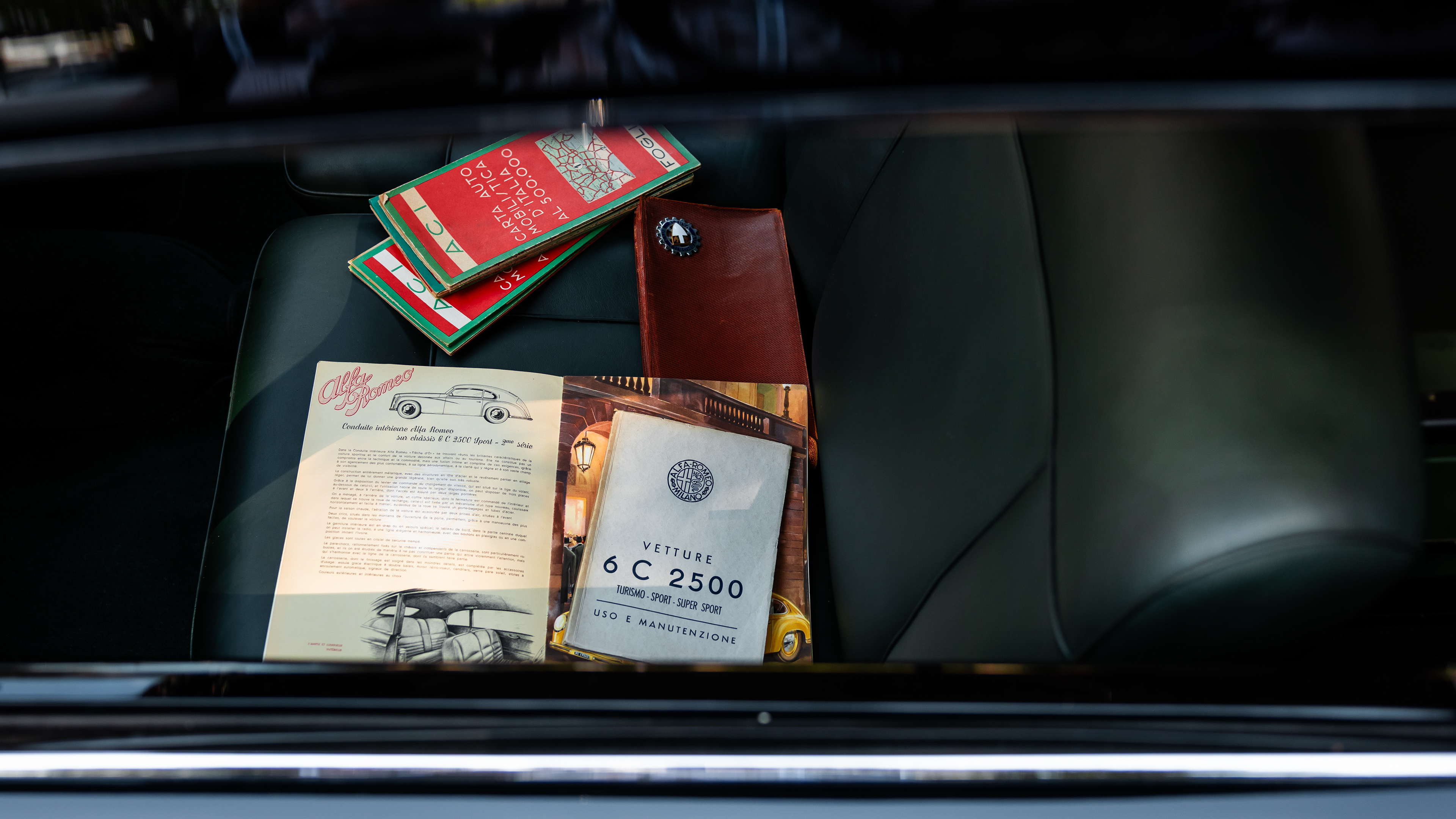
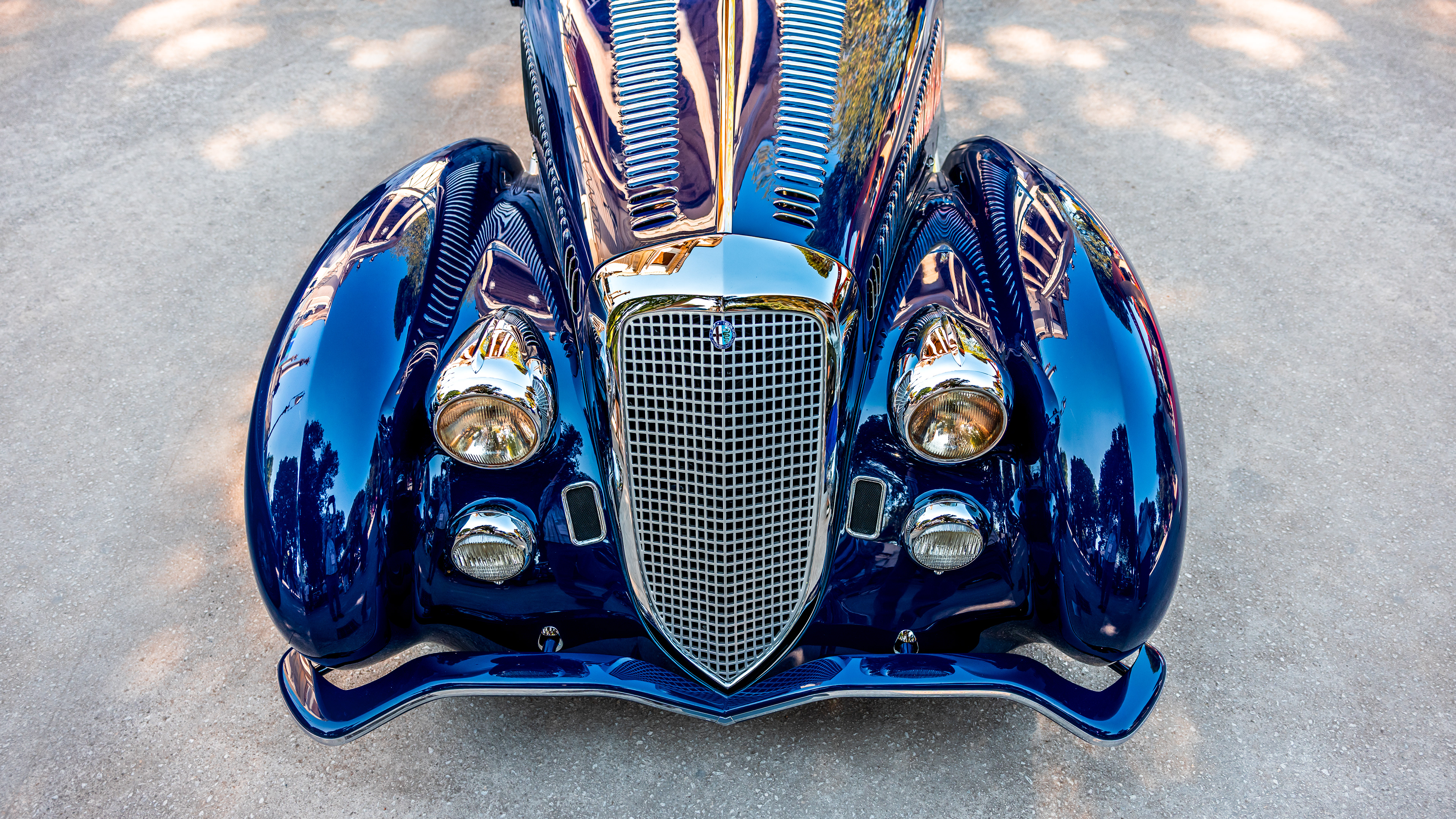
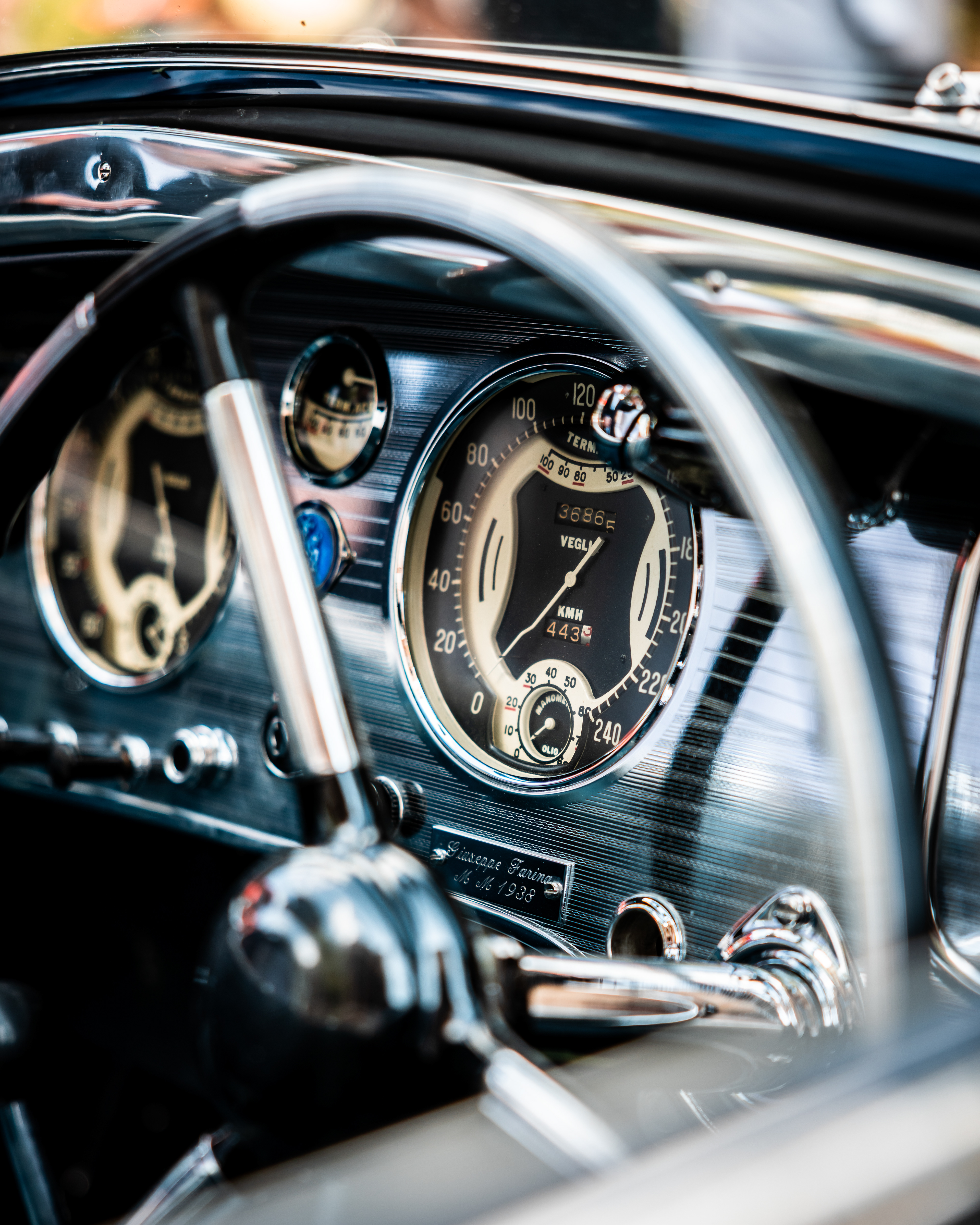
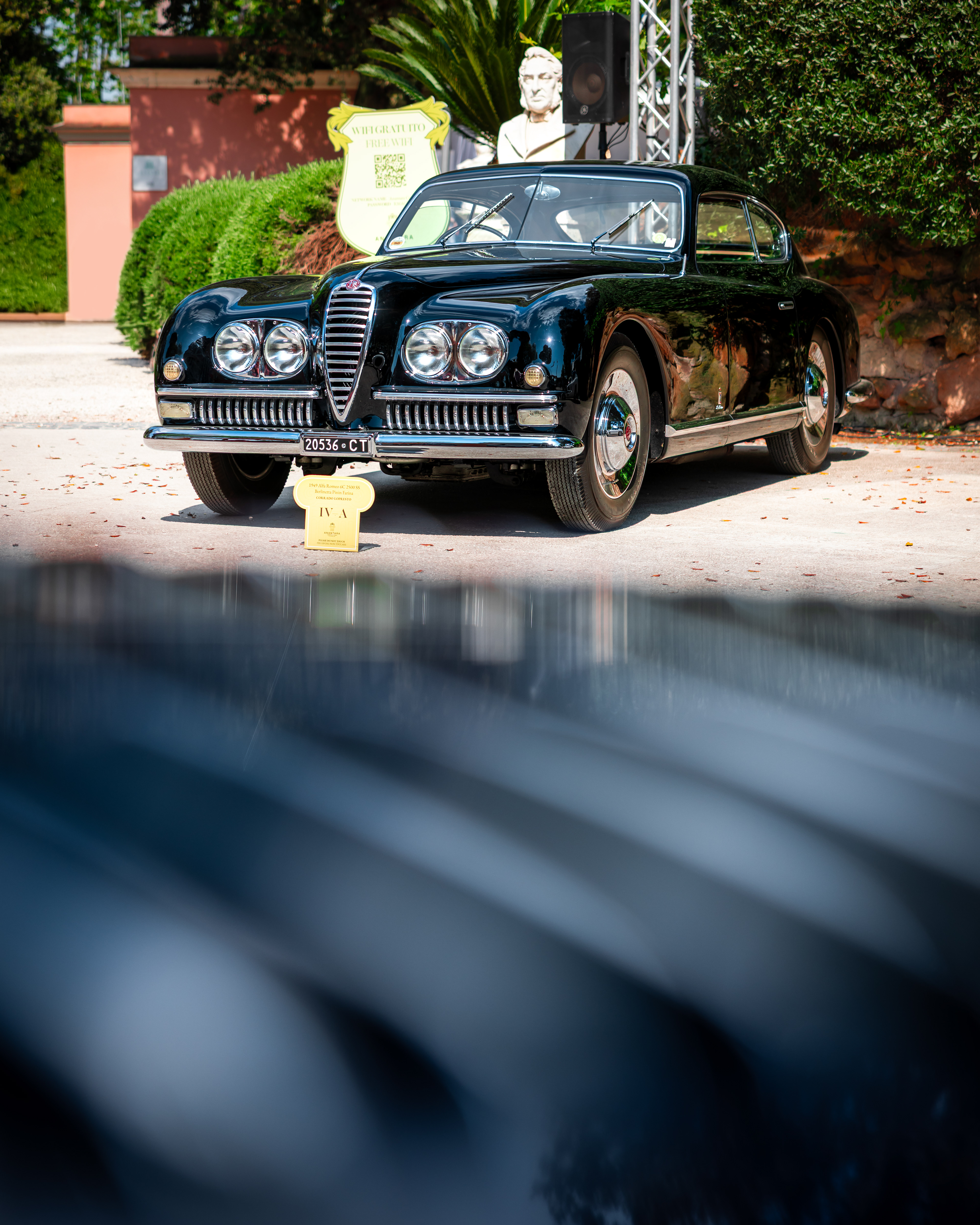
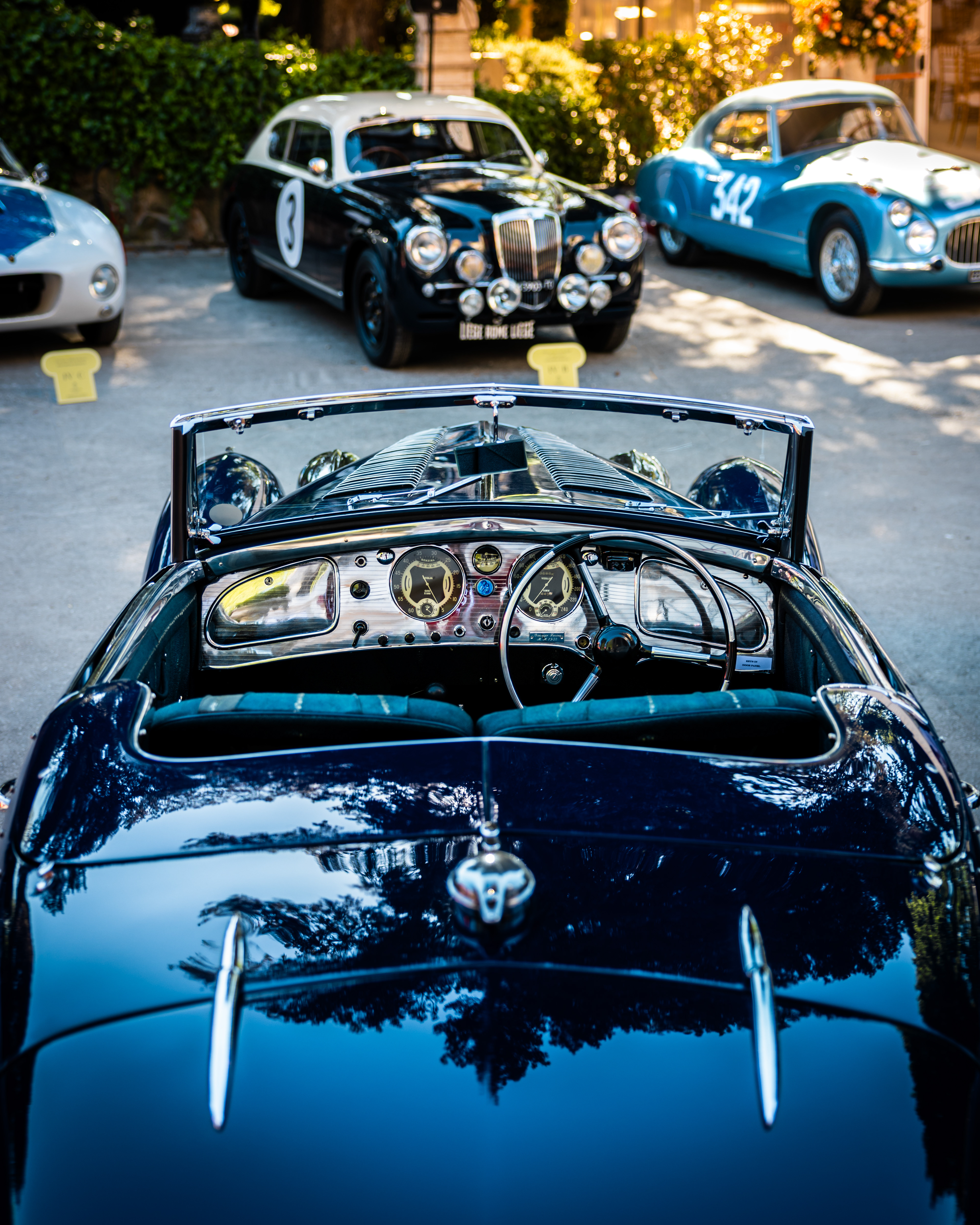
Among the one off bodied participants was the one and only Alfa Romeo 8C 2900B Cabriolet Stab. Farina, awarded with the Peninsula Best of the Best in January 2026, the 1949 Alfa Romeo 6C 2500 SS Berlinetta bodied by Pinin Farina for Giovanni San Giorgio Gualtieri of Catania and the Ferrari Testarossa Spider, chassis 62897, the only Ferrari Testarossa Spider built directly by the factory.
Another special mention goes to the 1935 Alfa Romeo 6C 2300 Gran Turismo Pescara Spider Touring. Chassis 700635 is one of only two examples built and boasts a remarkable history. The engine was prepared by Scuderia Ferrari at the request of the first owner. The car was entered in the Mille Miglia by Scuderia Parioli, where Ercole Boratto, Mussolini's driver, finished with a prestigious third in class. Yes, you read that correctly. This Alfa Romeo 6C 2300 Sport Spyder was built and was destined to the most important man in pre-war Italy: ‘Il Duce’, Cavaliere Benito Mussolini. During the Second World War the car was hidden and rediscovered in the late 1960s, then restored by Dr Luigi Fittipaldi.
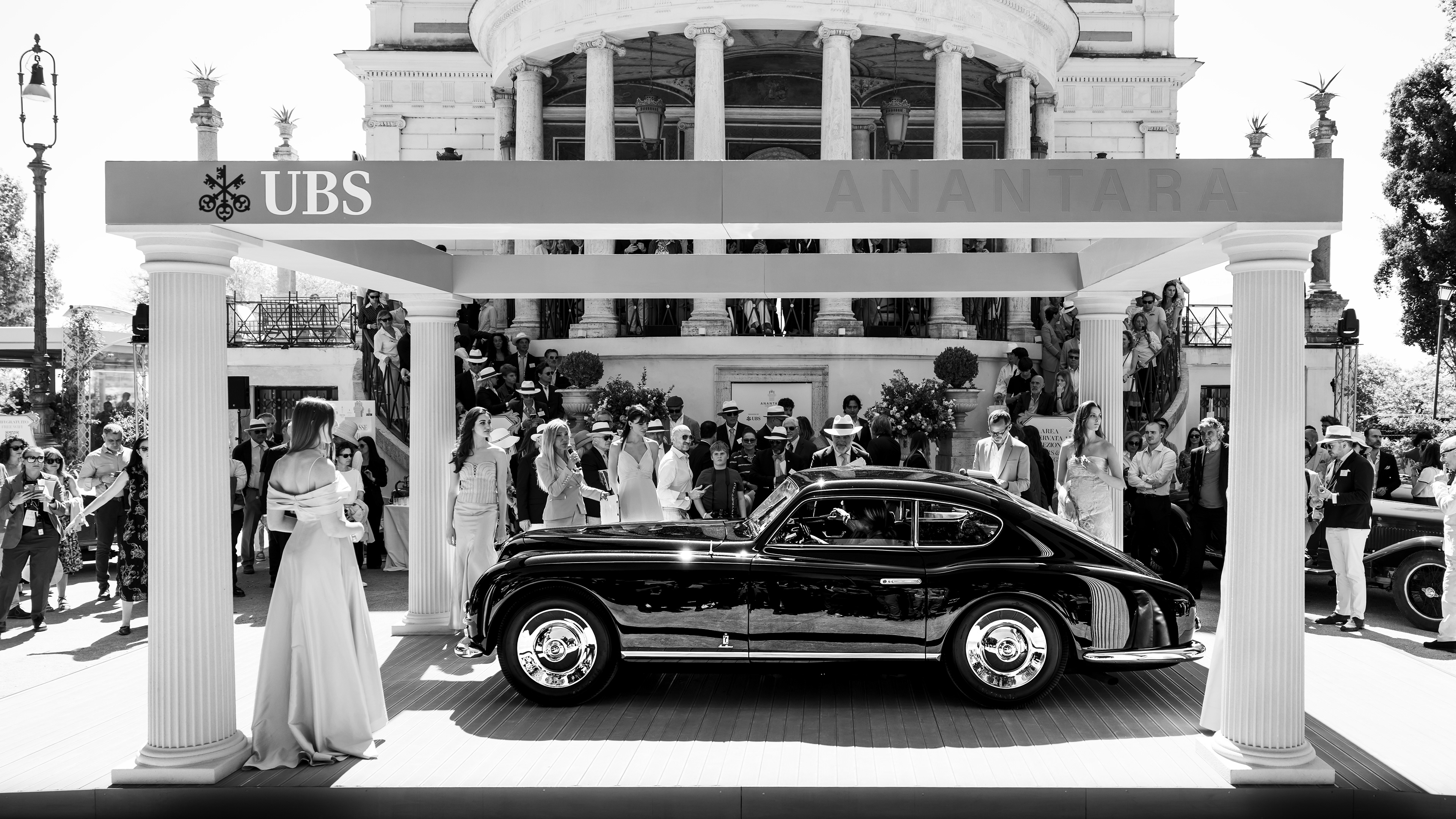
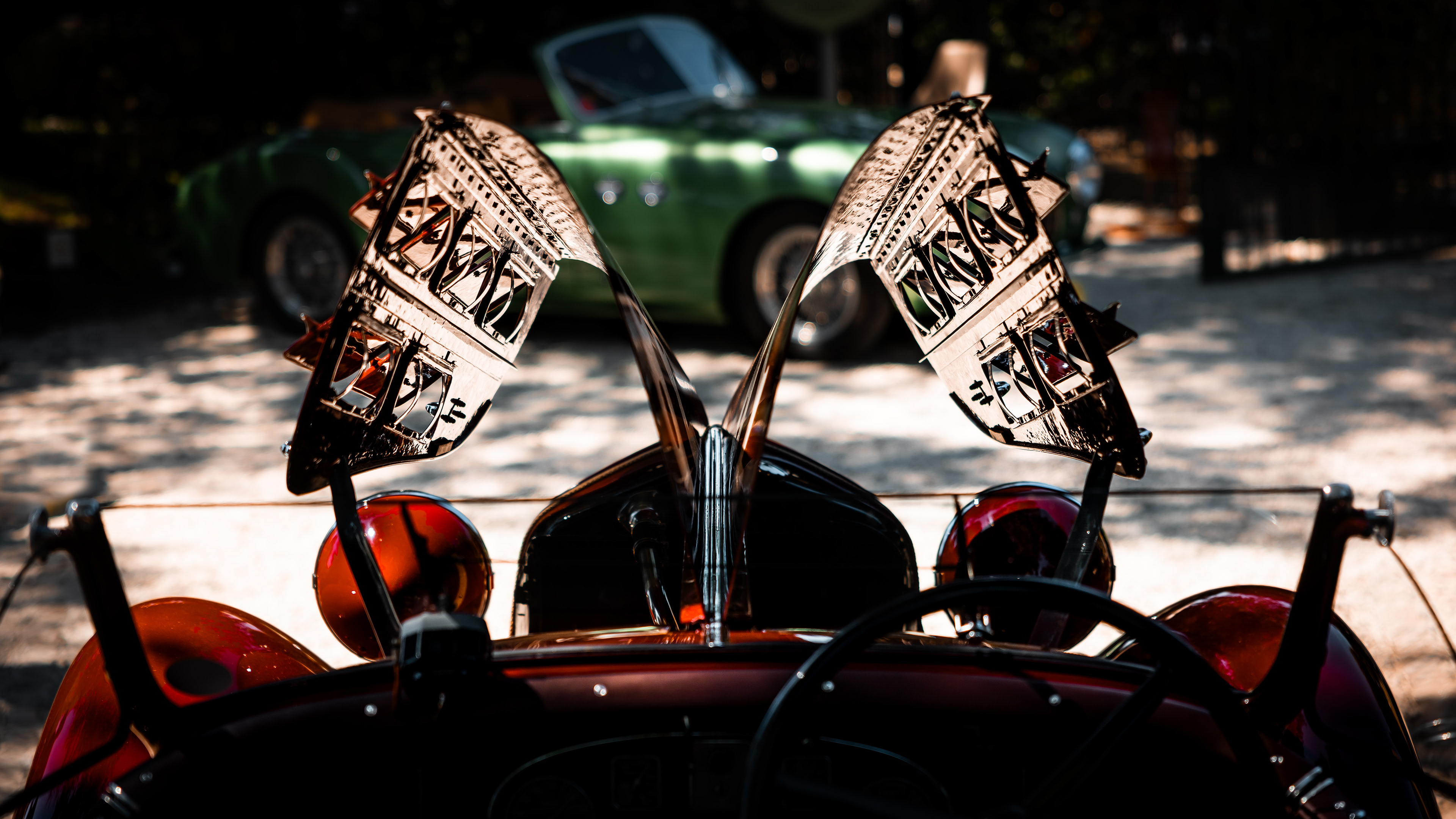
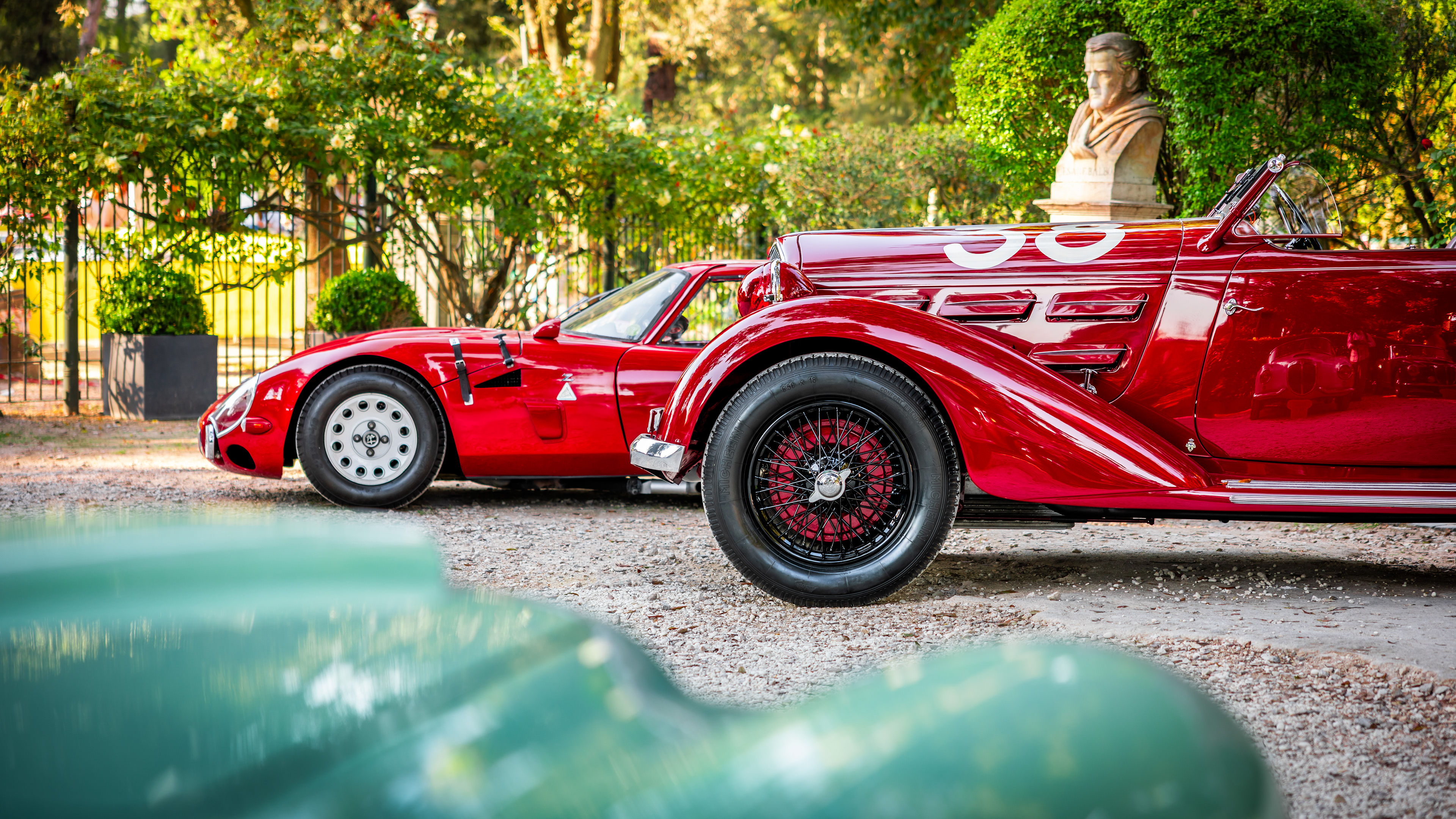
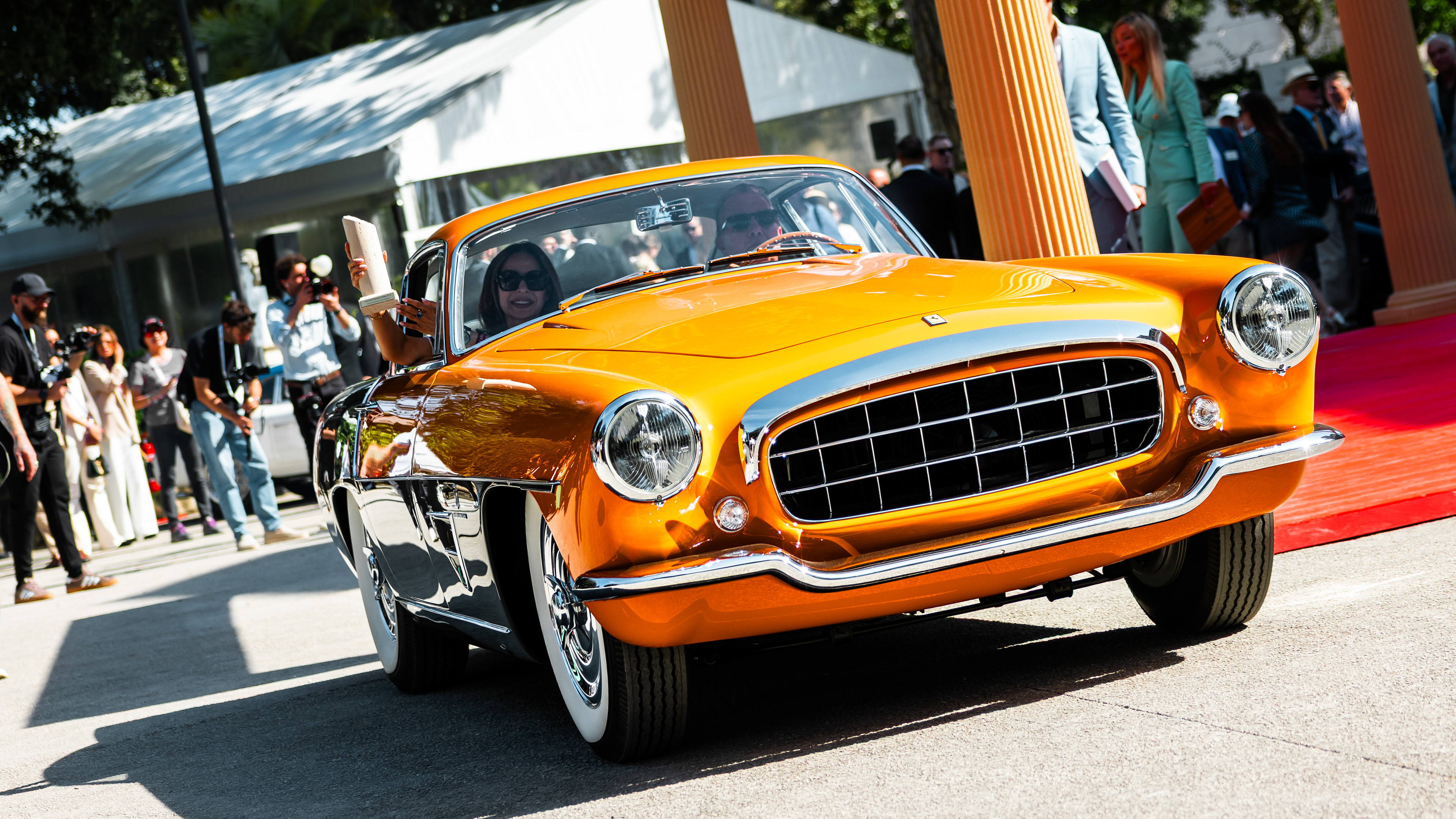
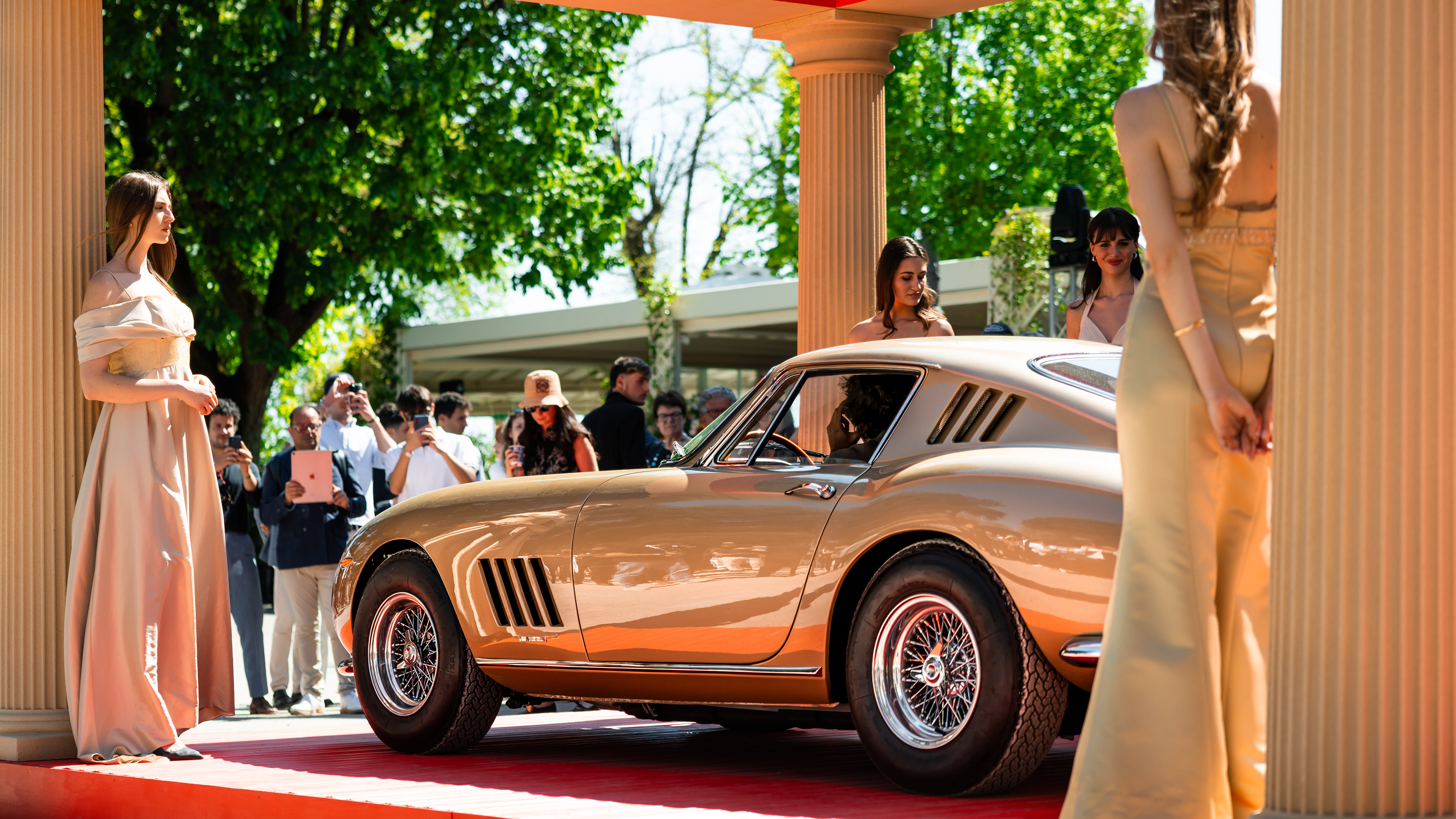
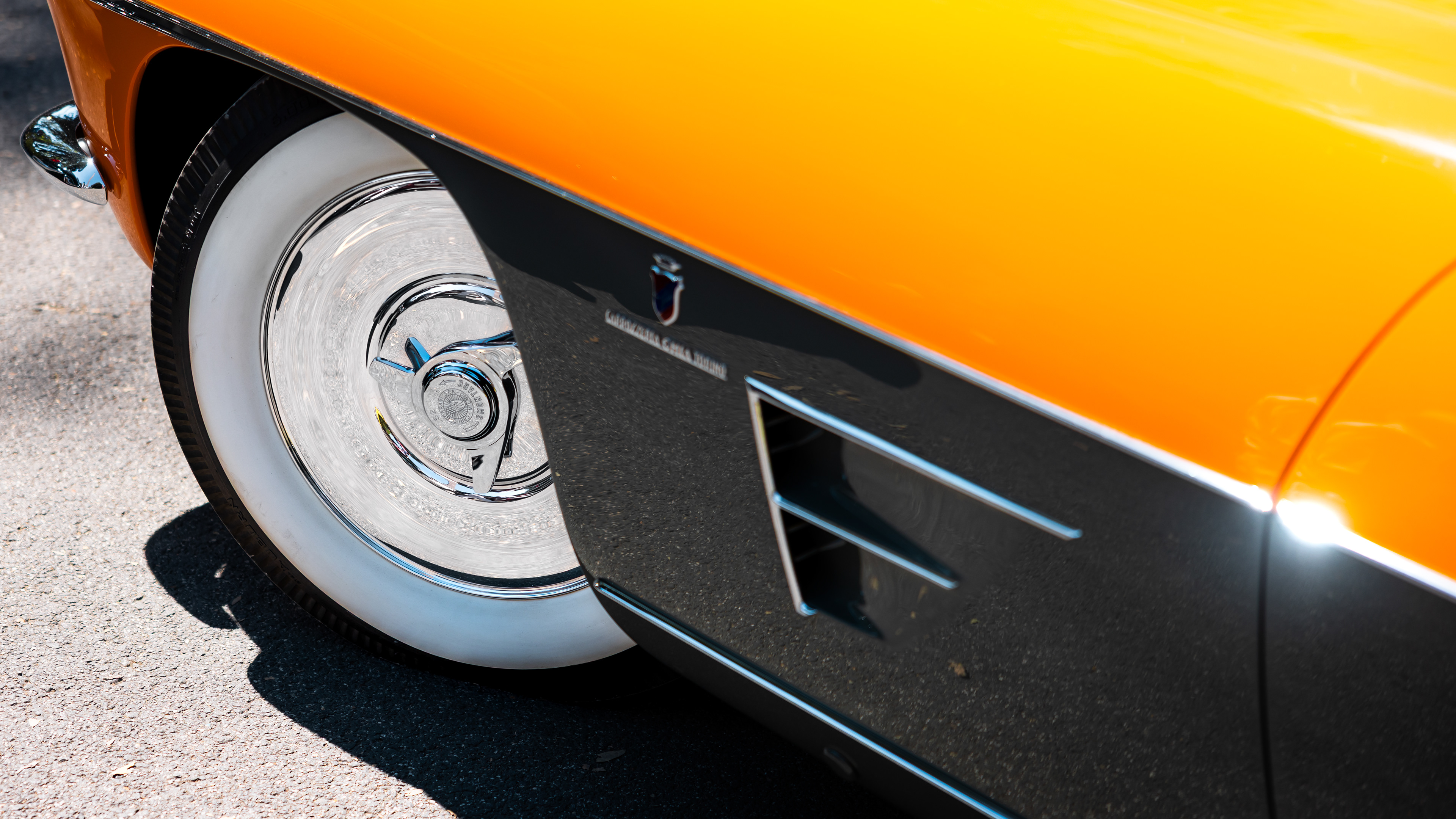
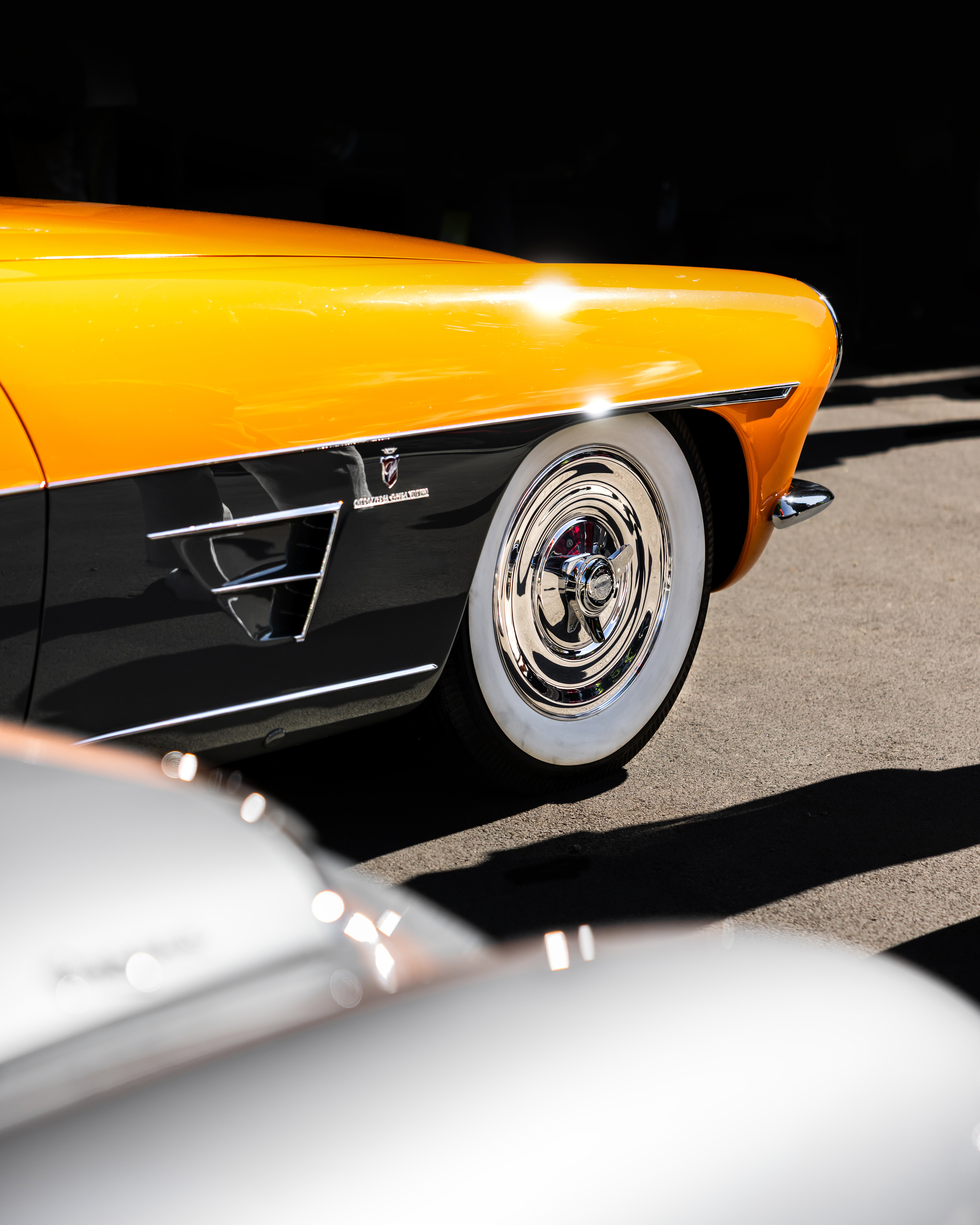
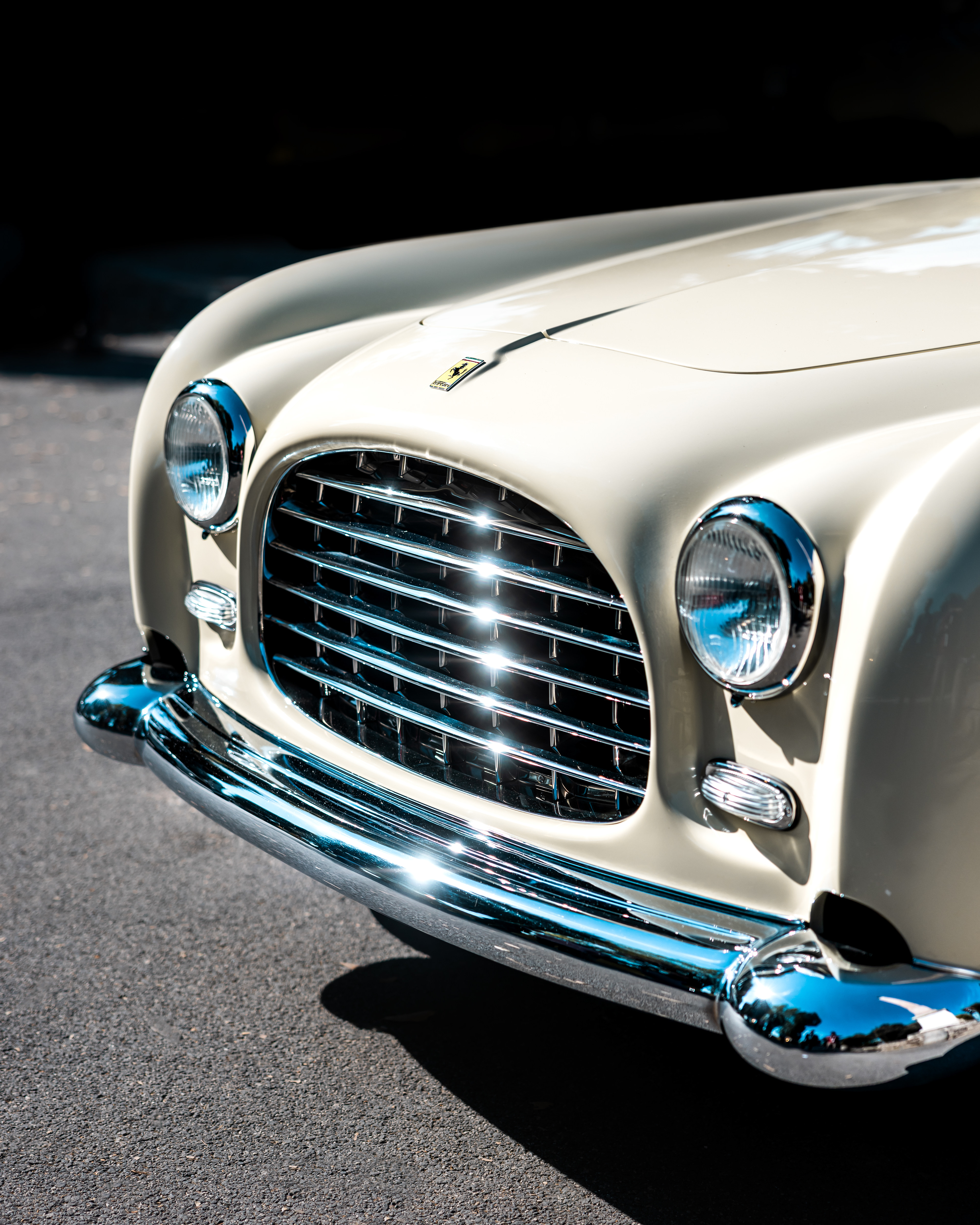
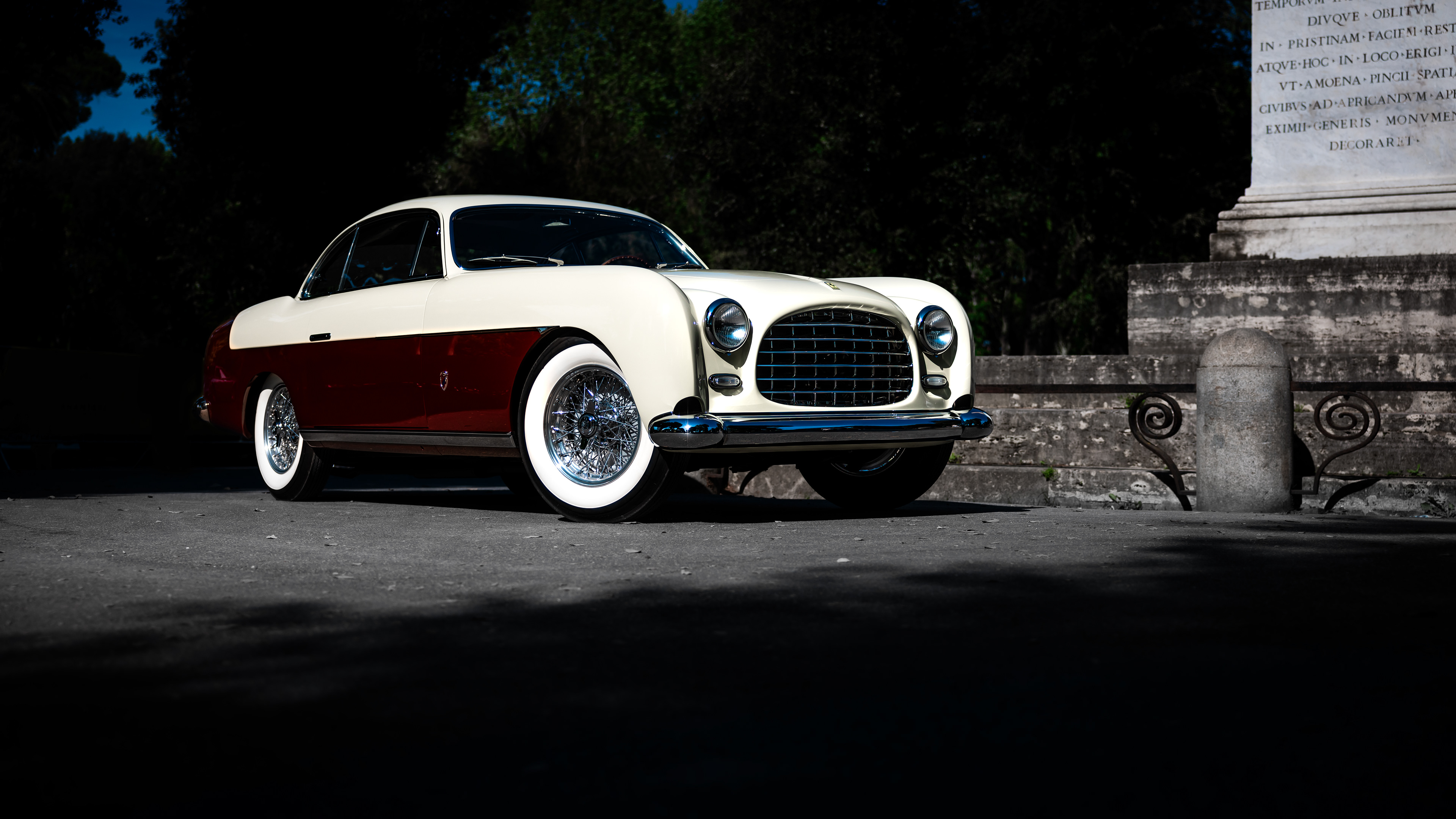
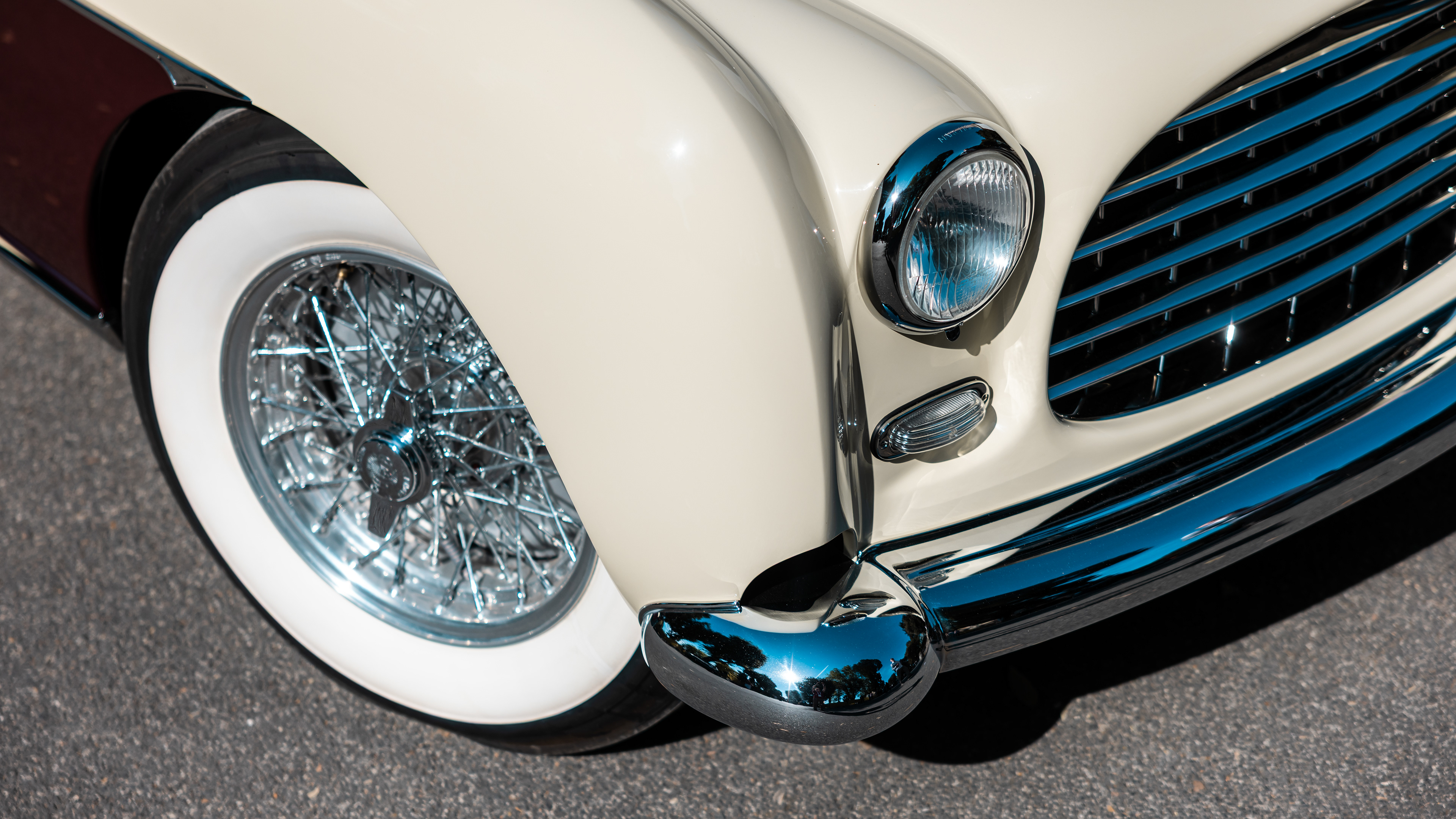
A special mention goes to two Ferrari coupés arriving from the USA, 1952 Ferrari 212 Coupé Speciale Ghia and the 1955 Ferrari 375 MM Coupé Speciale Ghia.
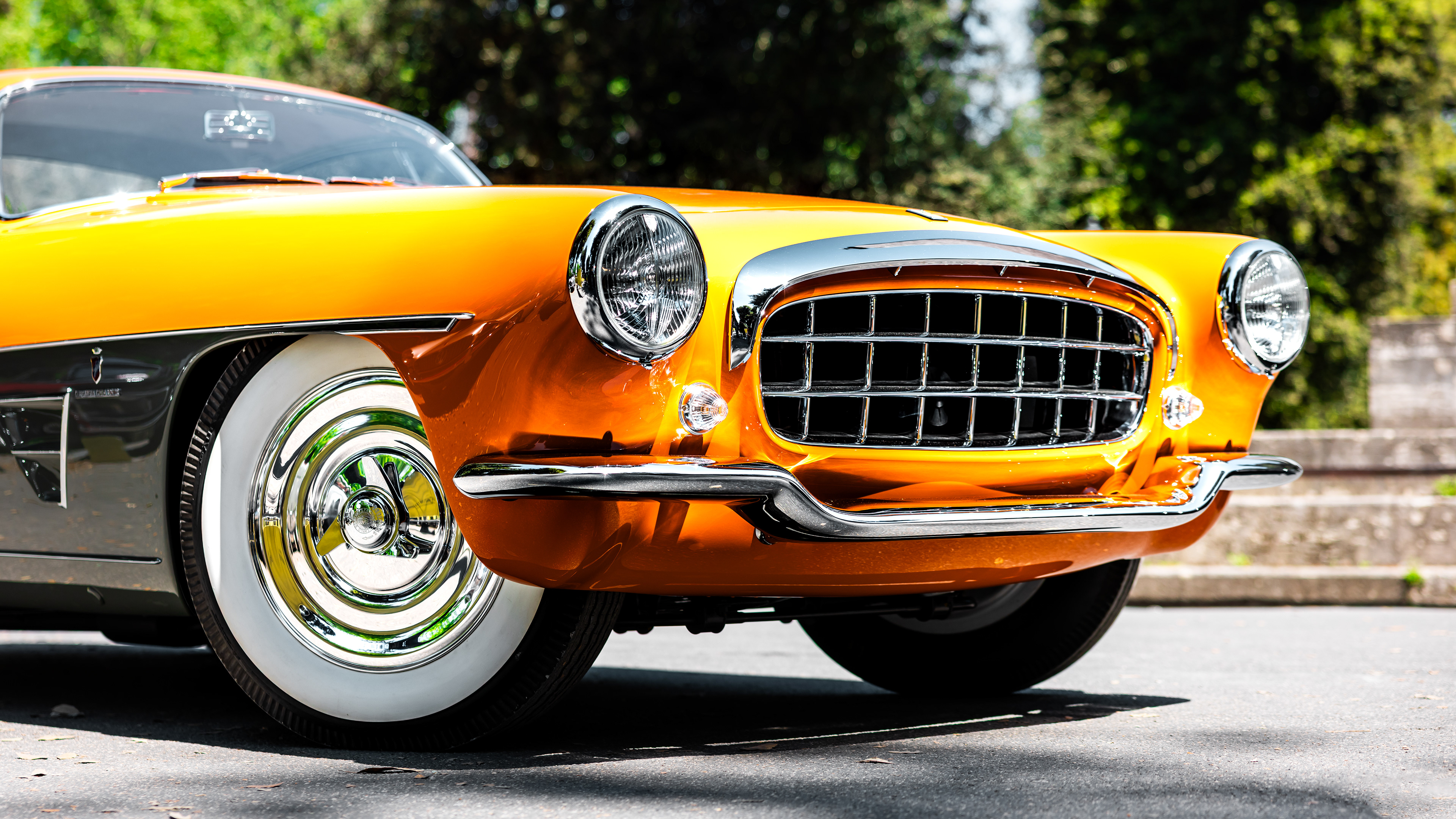
The 212 is a true show car, the only one ever built with this elegant Ghia body. Displayed on the Ferrari stand at the 1952 Paris Salon, it captivated Argentine President Juan Perón. Arriving in Buenos Aires in 1953, it became Perón's favourite car. After his overthrow in 1955, the car was disposed of by the government and passed through several owners, suffering progressive deterioration. Rediscovered in the 1990s, it was brought back to Europe for restoration. In 2019 the current owners undertook a rigorous philological restoration, culminating in 2024 with Best of Show at Palm Beach Cavallino Classic, a perfect 100/100 score at Pebble Beach and Ferrari Classiche certification.
The 375 wasordered by Robert Wilkie in 1954, who wrote to his friend Enzo Ferrari requesting a road-homologated racing car. Ferrari chose a 375 MM, supplying chassis and engine, while Wilkie commissioned Ghia to build the body. Chassis 0476 AM was born: the last 375 MM built and the very last Maranello car clothed by Ghia. The project was overseen by Luigi Segre, through sketches, revisions and a distinctive two-tone paint scheme.
This inaugural edition attracted a great deal of attention within the motoring world. The theme was clear: a true return to the very essence of the concours d’élégance. Special-bodywork cars took the spotlight, which was a real pleasure. Congratulations to Anantara Hotels & Resorts, who organised the event, and presenting partner UBS, who helped bring it to life, and we wish the best for its second edition, which has already been confirmed!
From 1 to 4 April 2027 – the date is set!
From 1 to 4 April 2027 – the date is set!